Overview
- Robin Dunbar's social brain hypothesis proposes that the primary selective pressure behind neocortical expansion in primates was the cognitive demand of maintaining complex social relationships in large groups, a claim supported by a robust correlation between neocortex ratio and mean group size across more than 36 primate genera.
- Extrapolating from the primate regression to the human neocortex ratio yields a predicted natural group size of approximately 150 individuals — 'Dunbar's number' — a figure that corresponds to observed community sizes in hunter-gatherer bands, historical military companies, personal social networks, and early Neolithic villages.
- Alternative and complementary hypotheses, including the cultural brain hypothesis, the cooperative breeding hypothesis, and dietary-ecology models, have challenged the primacy of social group size as the sole driver of encephalization, and the current consensus treats social, ecological, and cultural pressures as interacting rather than competing explanations.
The social brain hypothesis is one of the most influential frameworks in evolutionary neuroscience. First articulated by the British anthropologist and evolutionary psychologist Robin Dunbar in the early 1990s, it proposes that the primary selective pressure driving the expansion of the primate neocortex was not the challenge of finding food or navigating physical environments but the cognitive demand of maintaining complex social relationships within increasingly large groups.1, 2 The hypothesis rests on a remarkably tight statistical correlation between the ratio of neocortex volume to total brain volume and the mean social group size characteristic of each primate species, a relationship that holds across more than 36 genera after controlling for body size, diet, and ecology.1 Extrapolated to the human neocortex, this relationship predicts a natural group size of approximately 150 individuals — a figure now widely known as "Dunbar's number" — which has been argued to correspond to community sizes observed in contexts ranging from Neolithic villages to military companies to personal social networks.2, 6 Over three decades of research have refined, extended, and challenged the social brain hypothesis, embedding it within a broader understanding of how social, ecological, and cultural pressures jointly shaped the evolution of the primate and hominin brain.
Intellectual origins: Machiavellian intelligence
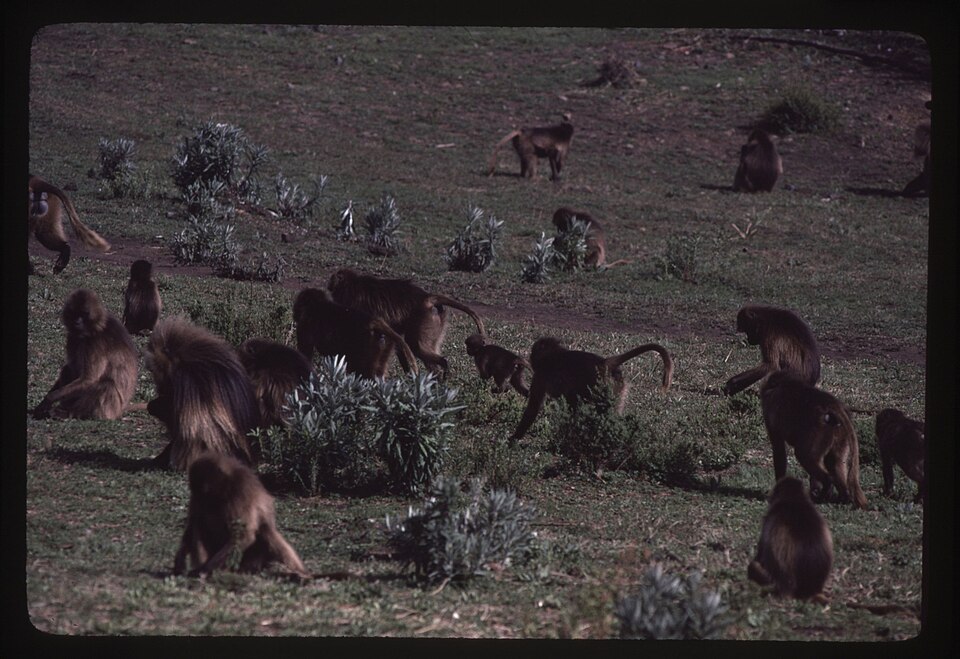
The intellectual roots of the social brain hypothesis lie in the "Machiavellian intelligence" framework articulated by Richard Byrne and Andrew Whiten in their influential 1988 edited volume of the same name.3 Byrne and Whiten assembled evidence from primatological field studies showing that primates, particularly great apes and cercopithecine monkeys, routinely engage in behaviors that appear to require sophisticated cognitive modeling of other individuals' knowledge, intentions, and likely responses. These behaviors include tactical deception, in which an individual deliberately misleads a conspecific to gain a competitive advantage; coalition formation, in which two or more individuals cooperate against a third; and social manipulation, in which an individual exploits knowledge of the social hierarchy to achieve goals that would be impossible through direct competition alone.3, 4

In a companion target article in Behavioral and Brain Sciences, Byrne and Whiten systematically catalogued instances of tactical deception across primate species, demonstrating that the frequency and sophistication of deceptive behaviors correlated positively with relative neocortex size.4 Great apes, which possess the largest neocortices relative to brain size among nonhuman primates, displayed the most complex and flexible forms of deception, including behaviors that appeared to involve an understanding of what another individual could see, know, or believe. Smaller-brained primates showed simpler forms of deception that could be explained by associative learning without requiring the attribution of mental states to others.4 This graded relationship between brain size and social cognitive complexity suggested that primate encephalization had been driven at least in part by an evolutionary "arms race" in social intelligence: individuals who could better predict, manipulate, and cooperate with their group mates enjoyed a fitness advantage, selecting for ever-larger and more computationally powerful neocortices.3
The Machiavellian intelligence hypothesis was not the first proposal to link primate brain size to social factors. Alison Jolly had suggested as early as 1966 that social interactions were a primary driver of primate intelligence, and Nicholas Humphrey's 1976 paper "The Social Function of Intellect" argued that the demands of social life, rather than tool use or ecological problem-solving, were the primary selective force behind primate cognitive evolution.5 What Byrne and Whiten contributed was a systematic body of comparative evidence and a specific cognitive mechanism — the computational demands of tactical social reasoning — that could be quantitatively linked to brain anatomy. Dunbar built directly on this foundation, transforming the qualitative Machiavellian intelligence hypothesis into a quantitative, testable model.
Dunbar's neocortex-group-size correlation
In 1992, Dunbar published the foundational quantitative paper of the social brain hypothesis in the Journal of Human Evolution.1 Working with data from 36 primate genera, he tested the proposition that the size of the neocortex, the most recently evolved and phylogenetically variable part of the mammalian brain, was a better predictor of social group size than the size of the brain as a whole or any other brain component. The key variable was the neocortex ratio: the volume of the neocortex divided by the volume of the rest of the brain. Dunbar argued that this ratio, rather than absolute neocortex volume, was the appropriate metric because it controlled for the allometric scaling of the brain with body size, isolating the relative expansion of the neocortex above and beyond what would be expected for an animal of a given brain size.1
The results were striking. Across the 36 primate genera, neocortex ratio was strongly and positively correlated with mean social group size, with the relationship well described by a logarithmic regression. The correlation was considerably tighter than that between group size and total brain volume, total neocortex volume, or encephalization quotient.1 Dunbar tested alternative ecological predictors — home range size, day journey length, percent fruit in the diet, and extractive foraging frequency — and found that none accounted for the variance in neocortex ratio as well as social group size did, though some ecological variables showed weak correlations that became nonsignificant when group size was controlled for.1 The conclusion was that the neocortex had expanded in primate evolution primarily in response to the demands of social life, and that ecological intelligence, while not irrelevant, was not the primary driver of neocortical enlargement.
Neocortex ratio and mean social group size across selected primates1, 2
In a 1993 paper in Behavioral and Brain Sciences, Dunbar extended the analysis to include language as a specifically human mechanism for social bonding.6 He noted that nonhuman primates maintain social bonds primarily through physical grooming, a time-intensive, one-on-one activity that places a ceiling on the number of relationships any individual can service in a given day. As group size increases, the proportion of the day that must be devoted to grooming rises, eventually competing with time needed for foraging and other essential activities.6, 7 Dunbar proposed that human language evolved as a more efficient bonding mechanism that could replace grooming: whereas grooming is limited to dyads, language allows an individual to simultaneously engage with multiple partners in conversation, effectively multiplying the number of social bonds that can be maintained per unit time.6 This "vocal grooming" hypothesis linked the social brain hypothesis directly to the evolution of language, suggesting that both the enlarged neocortex and the capacity for speech evolved under the same social selection pressure.
Dunbar's number and evidence from human societies
The most widely cited prediction of the social brain hypothesis is Dunbar's number: the estimated natural group size for Homo sapiens, derived by inserting the human neocortex ratio into the primate regression equation. Dunbar's original 1992 calculation yielded a predicted group size of approximately 147.8, which he rounded to 150.1, 2 This figure was interpreted not as a maximum group size but as the number of individuals with whom a person can maintain stable, meaningful social relationships characterized by mutual knowledge, trust, and a sense of obligation — relationships in which one knows who each person is and how they relate to every other person in the network.2
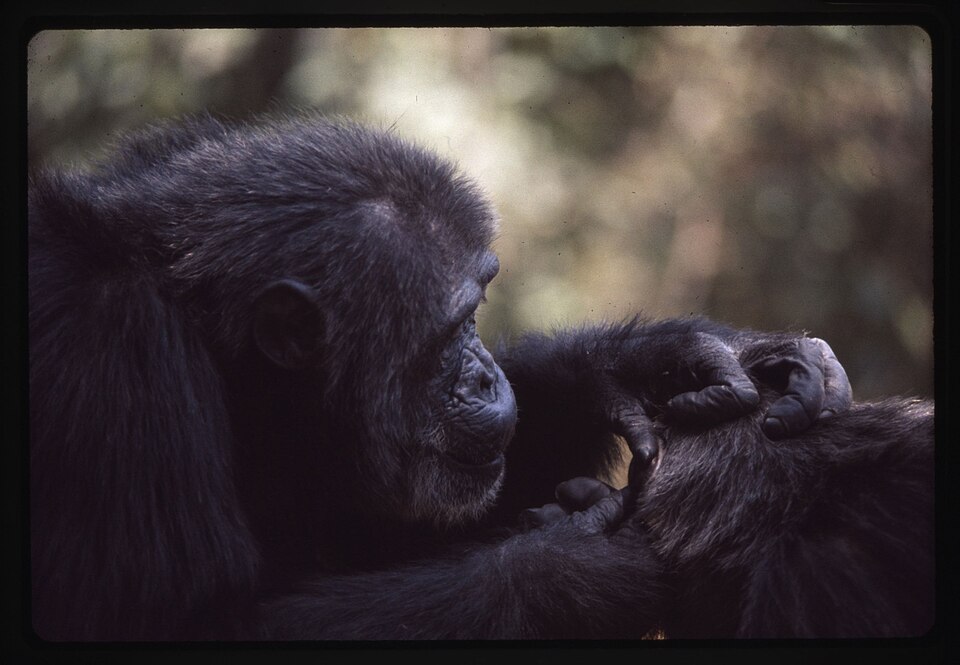

Dunbar marshalled evidence from a wide range of human social contexts in support of this prediction. Ethnographic data from hunter-gatherer societies indicated that the typical "clan" or "overnight camp" grouping — the largest unit within which all individuals interact regularly — falls between 100 and 230 individuals, with a modal value near 150.2, 18 In his 1996 book Grooming, Gossip, and the Evolution of Language, Dunbar noted that Neolithic villages in Mesopotamia, estimated from the number of residential structures at archaeological sites, typically housed approximately 150–200 people, and that the Domesday Book villages of eleventh-century England averaged approximately 150 inhabitants.7 Military organizations provide another source of evidence: the basic independent fighting unit in many armies across periods and cultures, from Roman centuries to modern infantry companies, typically consists of 100–200 soldiers, a size argued to reflect the upper limit of a unit whose members can all know one another personally without reliance on formal hierarchical structure.2, 7
Russell Hill and Dunbar examined social network data in 2003, using Christmas card lists as a proxy for active social relationships in a sample of individuals in the United Kingdom.18 The average network size in this study was approximately 153.5, remarkably close to the predicted value. Hill and Dunbar argued that this convergence was not coincidental but reflected the cognitive constraint identified by the social brain hypothesis: humans possess the neural hardware to track approximately 150 relationships at a depth sufficient for social bonding, and the various cultural institutions through which human societies are organized have adapted to this cognitive limit.18
More recently, Dunbar has elaborated the structure of human social networks into a series of hierarchically nested layers, each roughly three times the size of the one below.17 The innermost layer consists of approximately 5 intimate confidants; the next, of approximately 15 close friends; the next, of approximately 50 good friends; and the outermost stable layer, of approximately 150 meaningful contacts. Beyond 150, individuals maintain progressively weaker ties with approximately 500 acquaintances and approximately 1,500 faces they can put a name to, but these outer layers lack the mutual knowledge and emotional investment that characterize Dunbar's number relationships.17 Neuroimaging evidence has reinforced this picture: Ryota Kanai and colleagues reported in 2012 that variation in online social network size among young adults was positively correlated with grey matter density in the amygdala, the right superior temporal sulcus, and the left middle temporal gyrus, all regions implicated in the perception and interpretation of social signals.19
Why the neocortex specifically
A central and often underappreciated feature of the social brain hypothesis is its specificity: the claim is not that the brain as a whole enlarged in response to social demands but that the neocortex enlarged disproportionately.1, 2 This distinction matters because different brain structures serve different functions and have followed distinct evolutionary trajectories across the primate order. The neocortex, which comprises the outermost layer of the cerebral hemispheres and is responsible for higher-order cognitive functions including executive planning, abstract reasoning, language, and the integration of multimodal sensory information, shows the most dramatic phylogenetic variation among primates. In prosimians such as lemurs, the neocortex ratio (neocortex volume divided by the volume of the rest of the brain) is typically around 1.0; in cercopithecines such as macaques and baboons it rises to approximately 2.5–3.0; in great apes it reaches 3.0–3.5; and in humans it exceeds 4.0.1, 2


Dunbar and Shultz examined this question in a 2007 paper in Science, asking whether the social brain relationship was unique to the neocortex or applied more broadly to other brain regions.9 Using comparative data from primates and other mammalian orders, they found that the correlation with social group size was specific to the neocortex in primates and did not extend to the hippocampus, the cerebellum, or the rest of the brain. Among non-primate mammals, including carnivores, ungulates, and bats, the relationship between brain size and sociality was weaker and less consistent, suggesting that the social brain effect may be particularly pronounced in the primate order because of the distinctive complexity and cognitive demands of primate social systems, which rely on individualized relationships, coalition management, and extended memory for past interactions rather than the anonymous herd sociality typical of many other mammals.9
Patrik Lindenfors, Charles Nunn, and Robert Barton further dissected the brain-sociality relationship in 2007, demonstrating that different components of the brain show different patterns of association with social variables when the sexes are analyzed separately.10 In their analysis, the relative size of the neocortex in female primates was most strongly correlated with social group size, consistent with Dunbar's original finding, while in males the neocortex was additionally associated with mating system variables, particularly the degree of male-male competition.10 These results suggested that the social demands driving neocortex evolution may differ between the sexes: females may require larger neocortices primarily for navigating complex social alliances within groups, while males may face additional cognitive demands from competitive and coalition-based mating strategies.
The cooperative breeding hypothesis
Sarah Blaffer Hrdy's 2009 book Mothers and Others proposed an alternative social hypothesis for human cognitive evolution that shifted the focus from Machiavellian competition to cooperative caregiving.12 Hrdy argued that the defining feature of human social cognition is not the capacity for deception or competitive manipulation but the capacity for shared intentionality, emotional attunement, and intersubjective understanding — the ability to read the mental states of others and to coordinate behavior toward shared goals. She proposed that these capacities evolved not in the context of large-group social competition but in the context of cooperative breeding: the human practice of sharing childcare responsibilities among mothers, fathers, grandmothers, older siblings, and other group members (collectively termed "alloparents").12
The cooperative breeding hypothesis addresses a distinctive feature of human life history that the classical social brain hypothesis does not fully explain: the extraordinary dependence and slow maturation of human infants. Human babies are born neurologically immature, require years of intensive care, and cannot forage independently until well into childhood.12 This pattern of prolonged dependence is metabolically costly and would be unsustainable for a solitary mother without assistance. Hrdy argued that the evolution of alloparental care created a new social environment in which infants who were better at soliciting care from multiple caregivers — by making eye contact, smiling, babbling, and reading the emotional cues of adults other than their mother — would have had a survival advantage. Over evolutionary time, this selection pressure would have favored the cognitive and emotional capacities that underpin human-style social intelligence: theory of mind, empathy, joint attention, and the motivation to share experiences with others.12
The cooperative breeding hypothesis is not incompatible with the social brain hypothesis; rather, it offers a different account of the specific social selection pressures that mattered most. Dunbar's framework emphasizes the computational demands of tracking many relationships in a large group, while Hrdy's framework emphasizes the emotional and intersubjective demands of coordinating care among closely related individuals.12, 17 Both may have operated simultaneously, with cooperative breeding providing the immediate proximate driver of enhanced social cognition in early hominin infants and Dunbar's large-group dynamics providing the broader ecological context in which those cognitive capacities were further elaborated and scaled up.
The cultural brain hypothesis
Joseph Henrich's 2016 book The Secret of Our Success articulated the cultural brain hypothesis, which proposes that the primary selective pressure behind human encephalization was not the size of social groups per se but the demands of acquiring, storing, and transmitting cumulative cultural knowledge.13 Henrich argued that humans are unique among animals not in the size of their social groups — many ungulates and fish live in far larger aggregations — but in their dependence on culturally transmitted information: learned skills, practices, technologies, norms, and beliefs that no individual could invent from scratch and that are passed from generation to generation with modification and accumulation.13
The cultural brain hypothesis proposes a feedback loop between brain size, cultural complexity, and sociality. Larger brains enable individuals to acquire more complex cultural repertoires; larger cultural repertoires require more social learning partners and hence favor living in larger, more connected social groups; and larger groups generate more cultural innovations and reduce the probability that useful cultural knowledge will be lost through demographic fluctuations, thereby increasing the selective advantage of being able to learn from others.13 In this framework, brain expansion, cultural accumulation, and social group enlargement are not independent variables but three aspects of a single co-evolutionary process. The neocortex-group-size correlation documented by Dunbar is reinterpreted not as evidence that social group maintenance is the primary cognitive challenge but as a secondary consequence of the fact that cultural learning requires social partners: larger cultural repertoires require more teachers, which requires larger social networks.13
The cultural brain hypothesis makes distinctive predictions about the timing and pattern of hominin brain expansion. If cultural learning is the primary driver, then brain size should increase in tandem with the complexity of the archaeological record — the diversity and sophistication of stone tools, the evidence for symbolic behavior, and the geographical range over which cultural traditions are maintained.13 The hypothesis also predicts that brain expansion should accelerate once cumulative culture reaches a critical threshold of complexity at which the benefits of enhanced cultural learning begin to compound, potentially explaining the rapid phase of brain expansion in the genus Homo after approximately 2 million years ago. Whether the archaeological record supports these predictions in detail remains a subject of active investigation, but the cultural brain hypothesis has become a major complement to Dunbar's original social brain framework.
Critiques and challenges
The social brain hypothesis has attracted sustained critical scrutiny since its formulation. The most empirically forceful challenge came from Alex DeCasien, Scott Williams, and James Higham, who published a large-scale comparative analysis in Nature Ecology & Evolution in 2017 re-examining the relative predictive power of social and ecological variables on primate brain size.14 Using a dataset of 140 primate species and phylogenetic generalized least-squares regression that controlled for shared evolutionary ancestry, DeCasien and colleagues found that diet — specifically, the proportion of fruit in the diet — was a significantly better predictor of whole-brain size and neocortex size than any measure of social complexity, including group size, social system type, and mating system.14 Frugivorous primates had significantly larger brains than folivorous primates of the same body mass, and the effect of diet remained robust after controlling for group size, whereas the effect of group size became nonsignificant after controlling for diet. DeCasien and colleagues concluded that the cognitive demands of locating patchy, ephemeral fruit resources in complex three-dimensional forest environments — a form of ecological intelligence — had been a more important driver of primate encephalization than social group management.14
Dunbar and his collaborators responded by arguing that DeCasien and colleagues' analysis conflated different levels of the social brain hypothesis. The social brain hypothesis predicts specifically that the neocortex ratio, not absolute brain size, should correlate with group size, because the neocortex is the brain region most directly involved in social cognition, while other brain structures may scale with ecological or dietary variables.8, 17 Furthermore, Dunbar noted that diet and sociality are not independent: frugivorous primates tend to live in larger social groups than folivorous primates, in part because fruit patches are clumped resources that can support aggregations of foragers, creating a confound between dietary and social variables that is difficult to resolve statistically.2, 9
A separate line of critique has questioned the robustness of Dunbar's number. Lindell Powell, Karin Isler, and Robert Barton argued in 2017 that the extrapolation from the primate neocortex-group-size regression to humans involves projecting far beyond the range of the data, because the human neocortex ratio is an extreme outlier on the primate distribution, and that the confidence interval around the predicted human group size is consequently very wide, potentially spanning from 100 to well over 200.15 They also noted that the predicted value is highly sensitive to the choice of regression model and the inclusion or exclusion of particular primate genera, raising questions about the precision and reliability of the 150 figure.15
Mauricio González-Forero and Andy Gardner published a computational modeling study in 2018 that challenged the social brain hypothesis from a different angle.16 Using an evolutionary model that estimated the relative contributions of ecological, social, and cooperative challenges to brain size evolution in the hominin lineage, they found that ecological factors — including the challenges of foraging, thermoregulation, and metabolic maintenance — accounted for approximately 60% of the observed increase in brain size over hominin evolution, while social competition accounted for roughly 30% and cooperative demands for approximately 10%.16 Their model suggested that social pressures, while real, were quantitatively less important than ecological and metabolic pressures in driving the overall trajectory of hominin encephalization. Notably, their model also predicted that as brain size increased, the relative importance of social factors declined while that of ecological factors remained stable, suggesting that the social brain hypothesis may be more applicable to early phases of primate brain evolution than to the later, most dramatic phase of hominin encephalization.16
Integration: complementary rather than competing pressures
The debate over the social brain hypothesis has increasingly moved toward integration rather than elimination. Few researchers now argue that any single factor — social complexity, dietary ecology, cooperative breeding, or cumulative culture — was solely responsible for the trebling of brain size over the course of hominin evolution. Instead, the emerging consensus treats these as interacting pressures that operated simultaneously and reinforced one another through positive feedback loops.2, 13, 16
The logic of integration is straightforward. Larger social groups generate greater demands on social cognition, as the social brain hypothesis proposes, but they also enable more efficient foraging through information sharing, cooperative hunting, and defense of food patches, which in turn supports the higher-quality diets that the expensive tissue hypothesis identifies as a prerequisite for maintaining a metabolically costly brain.2 Cooperative breeding, as Hrdy argued, provides the alloparental care necessary to sustain the extended period of infant dependence that a slowly maturing, large-brained offspring requires, while the cultural brain hypothesis explains why selection should continue to favor brain expansion even after social group sizes have stabilized, because the accumulating complexity of cultural knowledge creates ongoing demands on learning, memory, and social transmission.12, 13
Dunbar himself has acknowledged the integrative nature of the problem, noting in a 2016 review that the social brain hypothesis was never intended to exclude other factors but rather to identify the primary selective force that favored neocortical expansion in the primate order.17 The hypothesis is best understood as identifying a necessary condition — complex sociality — for the kind of neocortex-dominated brain expansion seen in primates, while recognizing that the sufficient conditions for the extreme encephalization of Homo sapiens involved additional factors including dietary change, cooking, cooperative child-rearing, and cumulative culture.2, 17 Shultz, Nelson, and Dunbar formalized this point in 2012, arguing that the social brain relationship holds as a constraint on the primate brain plan as a whole: once a lineage is on the primate trajectory of neocortex-driven brain growth, the scaling relationship between neocortex ratio and group size emerges as a predictable consequence of the architecture of primate social cognition, regardless of the specific ecological context in which any given species lives.11
The social brain hypothesis has thus evolved from a specific empirical claim about the neocortex-group-size relationship into a broader theoretical framework for understanding the co-evolution of brains, sociality, and culture in the primate order. Its central insight — that the cognitive demands of social life were a primary engine of brain evolution, and that the size of the neocortex reflects the complexity of the social environment in which a species evolved — remains one of the best-supported and most productive ideas in evolutionary anthropology. The ongoing challenge for the field is not to adjudicate between the social brain hypothesis and its competitors but to develop integrative models that capture the dynamic interplay between social, ecological, dietary, and cultural factors that together produced the most complex organ in the known biological world.
References
Machiavellian Intelligence: Social Expertise and the Evolution of Intellect in Monkeys, Apes, and Humans
The Secret of Our Success: How Culture Is Driving Human Evolution, Domesticating Our Species, and Making Us Smarter