A curated encyclopedia of the natural world and human history.
Sourced, verified, and free to read.
⌘K
Continue reading
Featured
cosmology
Magnetospheres
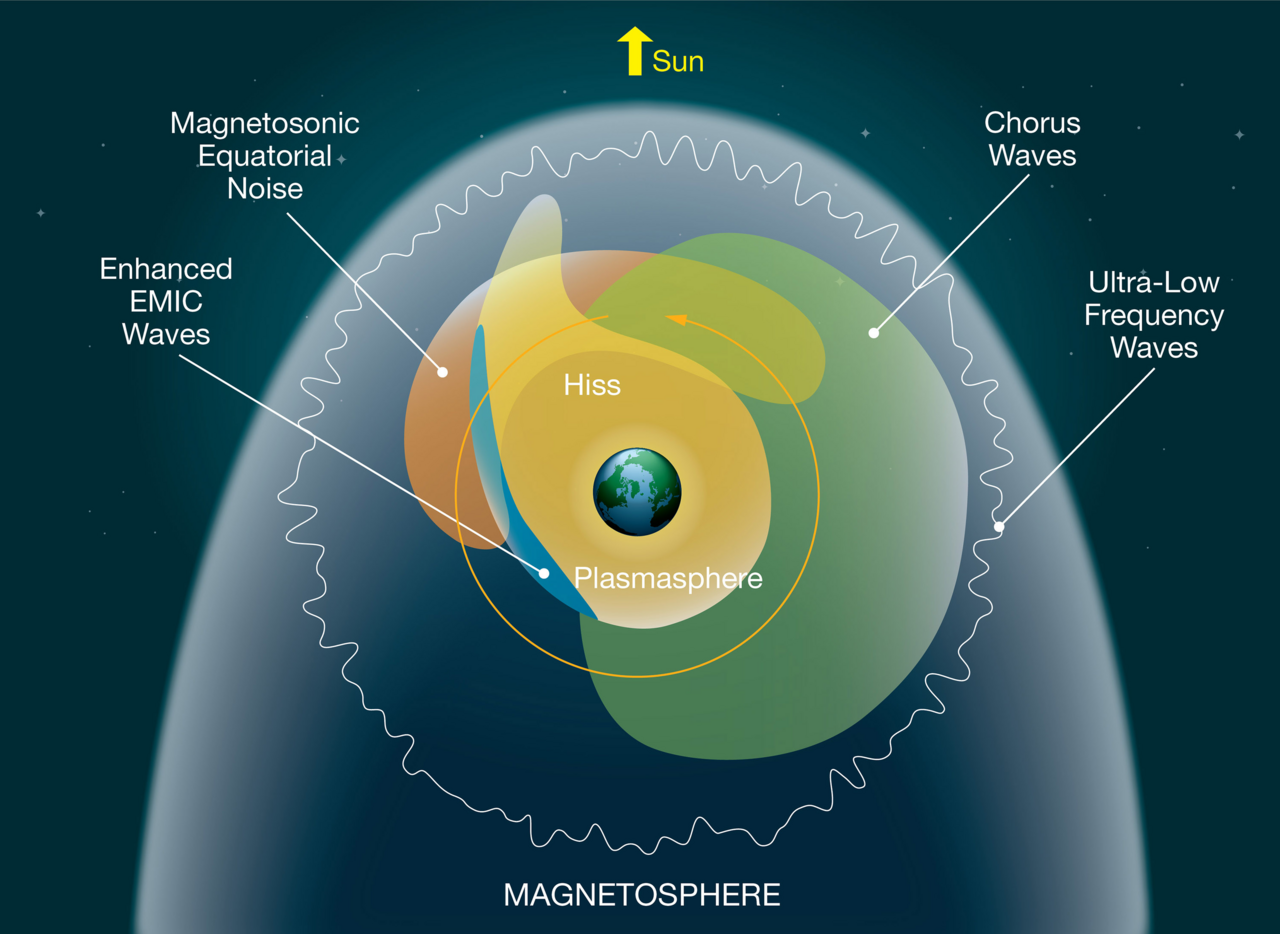
A magnetosphere is the region of space surrounding a planet, star, or other body where the magnetic field dominates the behaviour of charged particles, deflecting the solar wind and creating a protective bubble that shields the body’s atmosphere from erosion by energetic particles — Earth’s magnetosphere, generated by convection currents in its liquid iron outer core through the dynamo mechanism, extends roughly 65,000 kilometres sunward and stretches millions of kilometres into a long magnetotail on the nightside.
Did you know?
Explore more
paleontology Ammonites Ammonites were a spectacularly diverse subclass of cephalopod molluscs (Ammonoidea) that originated in the Early Devonian around 409 million years ago and persisted for roughly 340 million years until the end-Cretaceous mass extinction 66 million years ago, producing more than 10,000 described species across eight or more orders.

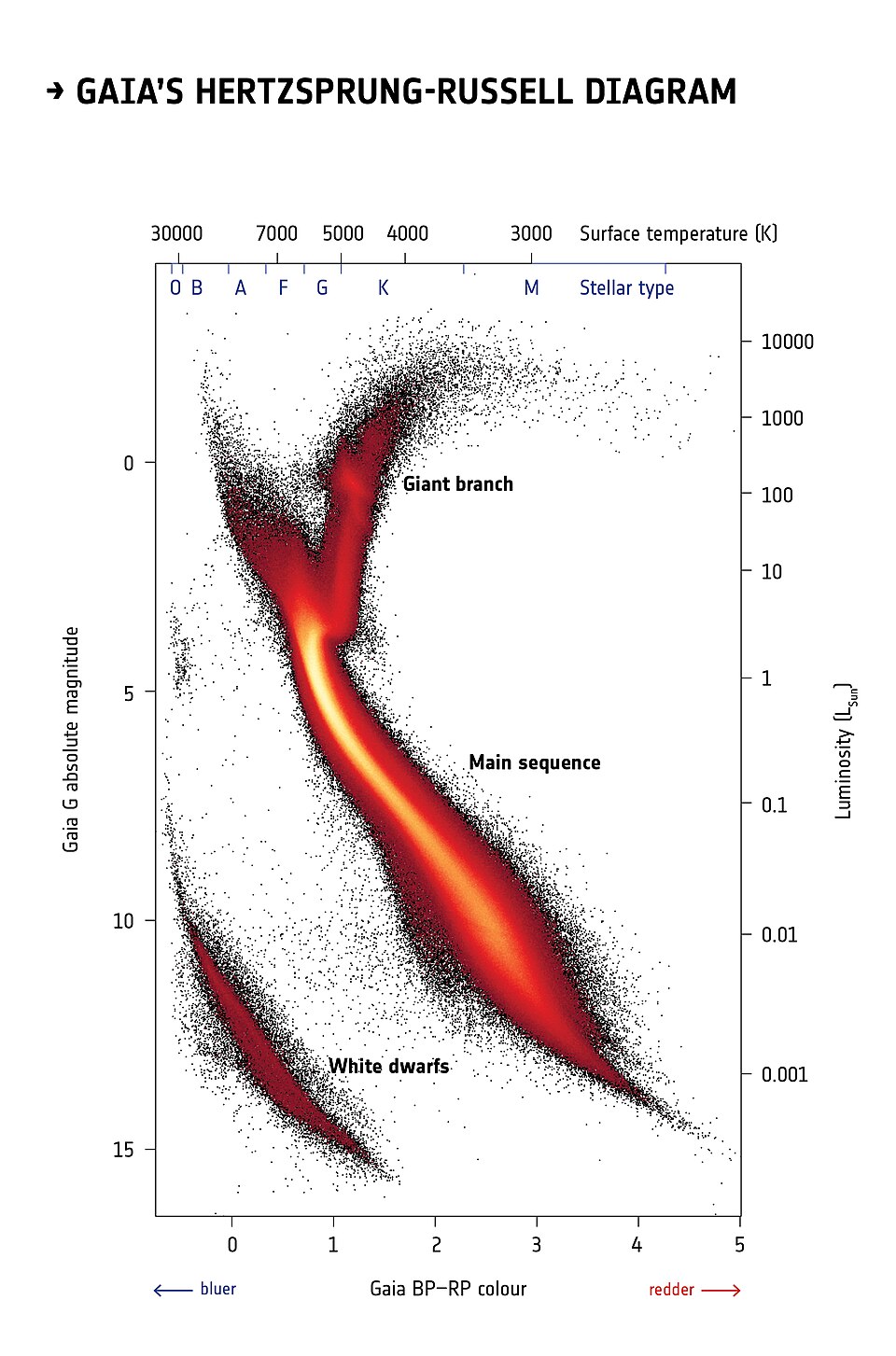
cosmology The Hertzsprung-Russell diagram The Hertzsprung–Russell diagram, developed independently by Ejnar Hertzsprung (1905–1911) and Henry Norris Russell (1913–1914), plots stellar luminosity against surface temperature or spectral type and remains the single most important organizational tool in stellar astrophysics, encoding the evolutionary state of every star in one compact visualization.
human evolution Hominin dietary isotopes Stable carbon isotope ratios (δ13C) preserved in fossil tooth enamel reveal whether hominins consumed C3 resources (fruits, leaves, browse) or C4 resources (tropical grasses, sedges), documenting a major dietary shift among East African hominins beginning around 3.5 million years ago.

human evolution Early Homo sapiens in Africa The oldest known fossils attributed to Homo sapiens come from Jebel Irhoud in Morocco, dated to approximately 315,000 years ago, demonstrating that our species did not originate exclusively in East Africa but emerged across the continent.

philosophy Logical problem of evil The logical problem of evil argues that the existence of an omnipotent, omniscient, and perfectly good God is logically incompatible with the existence of evil — that the theist holds a formally contradictory set of beliefs, not merely an improbable one.
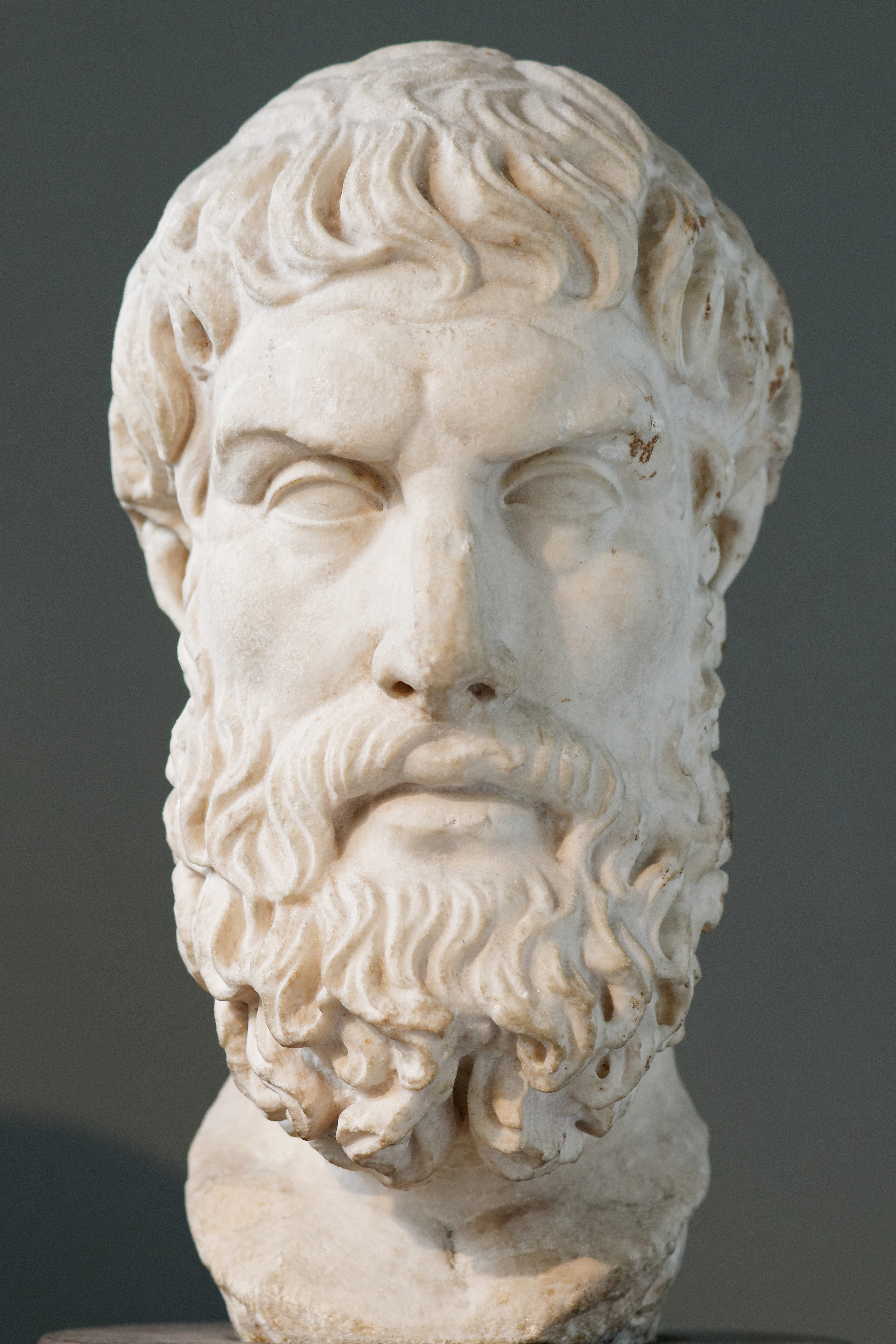
philosophy Secular ethics Secular ethics encompasses a family of philosophical frameworks — including utilitarianism, Kantian deontology, virtue ethics, contractualism, and moral naturalism — that ground moral judgement in reason, empathy, and human welfare rather than divine authority or religious revelation.