Overview
- The argument from personal incredulity is the informal fallacy of concluding that something is false, impossible, or must have a supernatural cause because one cannot personally imagine or understand how it could occur naturally — a logical error that confuses the limits of an individual’s imagination with the limits of what is possible.
- The fallacy drives some of the most prominent objections within creationism and intelligent design, including Behe’s irreducible complexity and Dembski’s specified complexity, both of which rest ultimately on the arguer’s failure to conceive a plausible naturalistic pathway rather than on a demonstrated logical or empirical impossibility.
- History provides a systematic refutation of the pattern: continental drift, the germ theory of ulcers, heavier-than-air flight, and the evolution of the vertebrate eye were all once cited as things that plainly ‘could not’ be true or could not occur naturally, and each was subsequently vindicated by evidence — demonstrating that personal incredulity tracks the limits of imagination, not the limits of nature.
The argument from personal incredulity is an informal logical fallacy in which an individual concludes that something is impossible, false, or must have a supernatural explanation because they personally cannot imagine how it could be otherwise. Its formal structure is simple and its error plain: the arguer substitutes the limits of their own imagination for the limits of what is logically or physically possible.9 When deployed in theology and creationist literature, the fallacy typically takes the form of an inference from complexity — “I cannot conceive of how this biological system could have arisen through natural processes, therefore it was designed” — and it has been among the most persistent and rhetorically effective arguments against evolutionary biology since the nineteenth century.4, 16
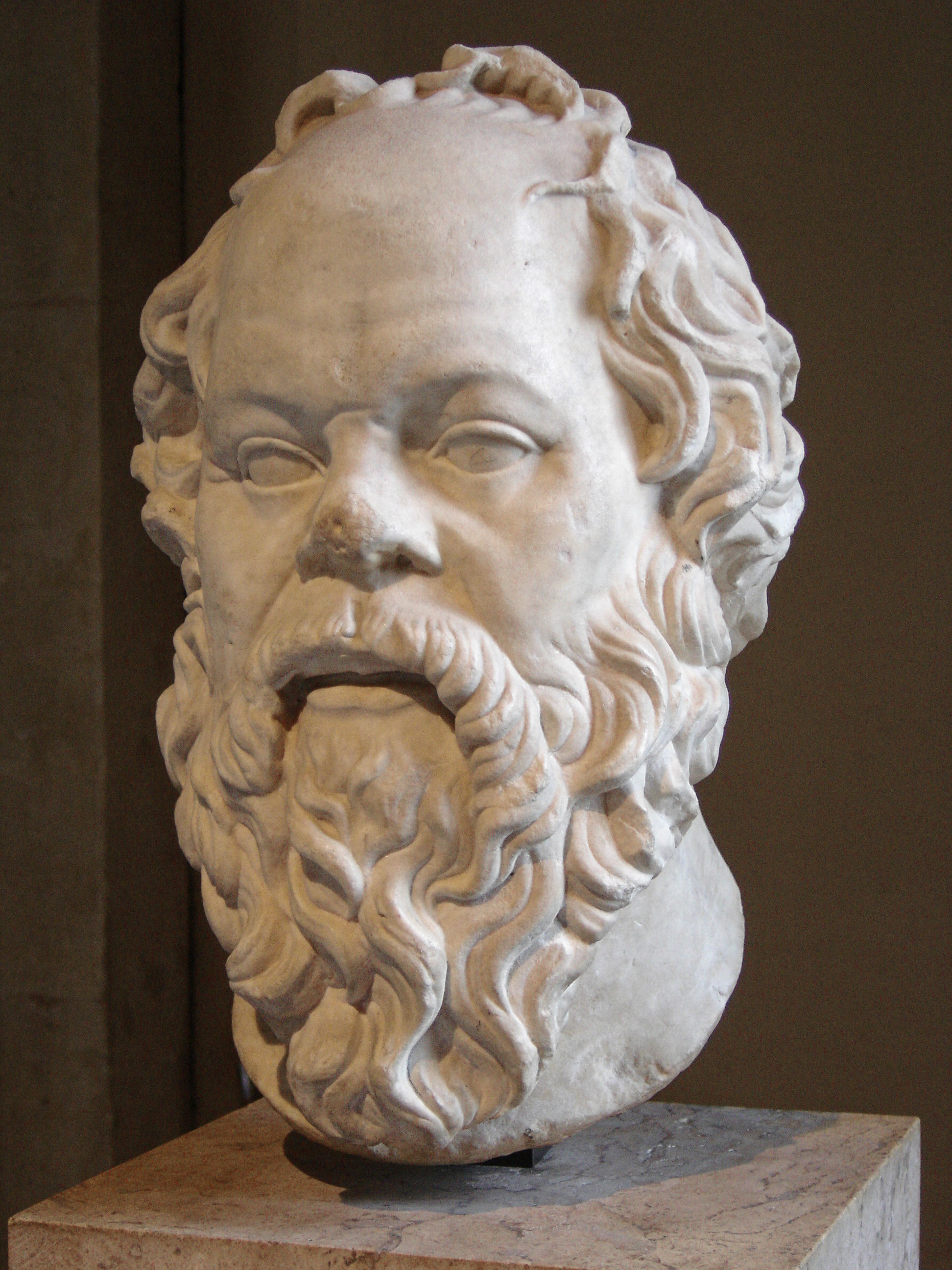

The fallacy is a subspecies of the broader god of the gaps pattern and is closely related to the argumentum ad ignorantiam (argument from ignorance), but it has a distinctive personal character: whereas the generic argument from ignorance appeals to the absence of any known explanation, the argument from personal incredulity appeals specifically to the arguer’s own failure of imagination as though it were evidential. The philosopher Massimo Pigliucci has characterised it as “one of the most common and pervasive logical errors in creationist reasoning,” noting that it confuses an epistemological limitation (what this person can conceive) with an ontological one (what is possible in the world).16 The history of science is, in substantial measure, a record of things that authoritative and intelligent people once declared inconceivable that turned out to be true.
Formal structure of the fallacy
The argument from personal incredulity can be represented in its standard form as follows:
P1. I cannot imagine how X could occur naturally (or be true).
P2. If I cannot imagine how X could occur naturally, then X cannot occur naturally.
C. Therefore, X did not occur naturally (and thus requires a supernatural explanation).
The fatal flaw resides in the second premise. P2 is not a logical truth, an empirical generalisation with a good track record, or a principle derivable from any defensible epistemological framework. It amounts to the claim that the arguer’s cognitive limitations are constitutive of reality — that if the arguer cannot model a process, that process does not exist. This claim is plainly false: the inability to imagine a mechanism has never been shown to entail the mechanism’s non-existence, and the historical record provides overwhelming inductive evidence against it.9, 20
A second, structurally related variant omits the explicit reference to imagination and takes the form of an appeal to improbability:
P1. The probability of X arising by unguided natural processes seems vanishingly small to me.
P2. If the probability of X seems vanishingly small to me, then X cannot be explained by natural processes.
C. Therefore, X must have been designed.
This variant is equally fallacious. Probability estimates for complex historical processes are extraordinarily difficult to calculate correctly, and naive calculations routinely understate the power of cumulative selection, scaffolding mechanisms, and iterative processes that operate over geological timescales. Richard Dawkins, in The Blind Watchmaker, identified this version of the fallacy — which he called the “argument from personal incredulity” — as the single most common error in popular anti-evolutionary argument, noting that it systematically conflates the improbability of a particular outcome in a single step with the probability of the same outcome achieved through many small, selection-guided steps.4
It is important to distinguish the argument from personal incredulity from two legitimate forms of reasoning that it superficially resembles. A genuine inference to the best explanation considers all available evidence, proposes multiple competing hypotheses, and selects the hypothesis with the greatest explanatory power — a process that is rational even when no hypothesis is fully satisfying.9 Similarly, a genuine argument from ignorance can, in some narrow contexts, carry evidential weight: if an event would have left detectable traces that a thorough investigation has failed to find, the absence of those traces is genuine evidence against the event having occurred.20 The argument from personal incredulity is distinguished from both by its appeal to the arguer’s own imagination rather than to any systematic investigation of the evidence.
Creationism and intelligent design
The argument from personal incredulity has been a structural feature of anti-evolutionary argument since at least the mid-nineteenth century.3, 4 Its most philosophically developed modern expressions appear in the intelligent design movement, particularly in the work of Michael Behe and William Dembski.
Behe’s concept of “irreducible complexity,” developed in his 1996 book Darwin’s Black Box and extended in his 2007 work The Edge of Evolution, argues that certain biochemical systems — his primary examples are the bacterial flagellum, the blood-clotting cascade, and the cilium — are composed of multiple interdependent parts such that removing any one part renders the system non-functional.1, 12 Behe claims that such systems “cannot be produced directly by numerous, successive, slight modifications of a precursor system,” and that this inability to conceive a gradualist Darwinian pathway constitutes positive evidence for intelligent design.11 The argument’s core move is precisely that of personal incredulity: Behe does not demonstrate that no evolutionary pathway exists, but rather that he cannot envisage one. When naturalistic pathways for the bacterial flagellum were subsequently elucidated — showing that components of the flagellar system are homologous to the type III secretion system, a simpler molecular machine with independent utility — Behe’s argument lost much of its force.18 The Kitzmiller v. Dover ruling in 2005 found that irreducible complexity was a form of negative argumentation against evolution rather than an independent positive case for design.5
William Dembski’s framework of “specified complexity” attempts to provide a more mathematical foundation for the same intuition.2 Dembski argues that when a pattern is both complex (improbable given chance) and specified (conforms to an independently described pattern), it cannot have arisen by unguided processes and therefore bears the hallmark of design. Critics have argued that Dembski’s framework, despite its mathematical vocabulary, ultimately depends on the arguer’s judgment about what constitutes a “specification” and what probability bounds apply — judgments that reintroduce precisely the subjective element that the mathematical apparatus was supposed to eliminate.17 The framework does not escape the argument from personal incredulity; it formalises it.
Earlier and less technical versions of the fallacy pervade popular creationist literature. The question “how could the eye have evolved?” has been posed as a challenge to Darwinism since Darwin himself raised it as a potential difficulty in On the Origin of Species.3 Darwin, however, went on to sketch the plausible evolutionary sequence himself — from a simple light-sensitive patch to a complex camera eye — and subsequent research has vindicated this analysis in considerable detail. The biologists Dan-Erik Nilsson and Susanne Pelger demonstrated mathematically in 1994 that a fully functional vertebrate eye could evolve from a simple light-sensitive cell layer in fewer than 400,000 generations under modest selection pressures, a timescale geologically trivial.10 The persistence of the eye as a rhetorical example of something that “could not have evolved” long after this demonstration is itself an illustration of how the argument from personal incredulity can survive evidential refutation — because its force derives from imagination rather than evidence. The full history of this case is treated in the Bynumpedia article on the evolution of the eye.
Historical incredulity arguments subsequently resolved
The history of science provides numerous cases in which the argument from personal incredulity was invoked against a claim that was subsequently vindicated. These cases are not merely illustrative curiosities; they constitute an inductive argument against the reliability of personal incredulity as a guide to what is possible.16
Continental drift. Alfred Wegener proposed in his 1915 work The Origin of Continents and Oceans that the continents had once been joined in a single landmass and had since drifted apart.6 The geological establishment responded with near-universal incredulity. The objection was not primarily that the evidence was weak — Wegener’s evidence included the complementary shapes of opposing coastlines, the match of fossil assemblages across the Atlantic, and the distribution of geological formations — but that no conceivable mechanism could move continents through solid oceanic crust. The argument was one of imagination: no one could picture how it could happen, therefore it did not happen. The discovery of seafloor spreading in the 1950s and 1960s supplied the missing mechanism and vindicated Wegener’s core claim, leading to the modern theory of plate tectonics, now the central organising framework of the earth sciences.7 The incredulity of Wegener’s contemporaries tracked the limits of their knowledge of oceanic geology, not the limits of what was geologically possible. Bynumpedia’s article on plate tectonics covers this history in full.
Bacterial causes of peptic ulcers. For most of the twentieth century, peptic ulcers were understood as the product of excess gastric acid, exacerbated by stress and diet. The idea that bacterial infection could cause ulcers in the highly acidic environment of the stomach was met with frank incredulity: bacteria, it was believed, simply could not survive in the stomach, and therefore could not cause pathology there. When Barry Marshall and Robin Warren proposed in 1983 that Helicobacter pylori was the primary cause of most peptic ulcers, they encountered sustained resistance from the medical establishment.8 Marshall famously consumed a culture of H. pylori himself, developing gastritis within days, to demonstrate that the bacterium could cause pathology in a living human stomach. The pair were awarded the Nobel Prize in Physiology or Medicine in 2005. The prior incredulity — “nothing can survive in the stomach acid, therefore nothing does” — was false because the imagination of those who held it was constrained by prior assumptions about what organisms could tolerate.
Heavier-than-air flight. In the years before the Wright brothers’ first powered flight at Kitty Hawk in December 1903, informed opinion was substantially, though not universally, sceptical that heavier-than-air machines could achieve sustained, controlled flight. The distinguished scientist and Lord Kelvin reportedly declared in 1895 that “heavier than air flying machines are impossible,” and the editor of the Times wrote in early 1906 — more than two years after the Wrights had already flown — that flight was not a practical proposition. The incredulity in these cases was a failure to account for the combined effects of aerodynamic lift, engine power-to-weight ratio, and control surfaces that the Wright brothers had painstakingly worked out through systematic experiment.19 That informed people could not imagine the mechanism did not bear on whether the mechanism worked.
The evolution of complex biochemical pathways. The blood-clotting cascade — one of Behe’s primary examples of irreducible complexity — was described as something that “could not have evolved” by natural selection because removing any component would abolish clotting and be immediately lethal.1 Subsequent comparative genomic analysis showed that the clotting cascade evolved through a series of gene duplication events from simpler precursor proteins with independent functions, and that jawless vertebrates such as lampreys have a substantially simpler but functional clotting system.18 The failure of imagination — the inability to conceive a pathway — was resolved not by abandoning evolutionary biology but by learning more about molecular evolution.
Relationship to related fallacies
The argument from personal incredulity belongs to a cluster of related but distinct argumentative errors that recur in theological and creationist discourse.9, 20
Its closest relative is the argumentum ad ignorantiam — the argument from ignorance — which concludes that a claim is true (or false) because no one has proven the contrary.20 The argument from personal incredulity is a personalised variant: whereas the argument from ignorance appeals to the general absence of proof, the argument from personal incredulity appeals specifically to the arguer’s own inability to conceive a counter-example. The two are logically parallel but rhetorically distinct: the personal version carries an emotional weight that the impersonal version lacks, because it presents the arguer’s bewilderment as itself a form of testimony.
Both are subspecies of the broader god of the gaps pattern, which treats gaps in scientific explanation as evidence for divine action.16 The argument from personal incredulity contributes to gap reasoning by generating the appearance of a gap: where an evolutionary pathway has not yet been described in full detail, the arguer’s failure to imagine one is presented as evidence that no pathway exists, and therefore that the relevant phenomenon lies beyond the reach of natural explanation. The philosopher Daniel Dennett has characterised this move as “premium-priced wonder” — the conversion of genuine but resolvable scientific uncertainty into the currency of supernatural inference.14
The fallacy is also structurally connected to the burden of proof problem in philosophical theology. When an arguer presents their own inability to imagine a natural explanation as evidence for design, they are implicitly shifting the burden of proof: the naturalist is placed in the position of having to generate a detailed mechanistic account before the design inference can be rejected.5 But the burden of proof properly lies with the one who makes the positive claim — in this case, the claim that design is required. Incredulity does not discharge that burden; it merely reframes the arguer’s ignorance as a challenge to the opponent.9, 20
Psychological roots of the fallacy
The argument from personal incredulity is not merely a logical error; it is a predictable expression of well-documented cognitive tendencies that make some kinds of explanation feel inherently more natural than others.13, 15
A substantial body of research in developmental and cognitive psychology has established that human minds are predisposed to what researchers call teleological thinking — the tendency to perceive objects and events as existing for purposes, as designed to serve functions, as products of intentional agency.13 Children spontaneously explain natural phenomena in intentional terms (“the mountain is pointy so animals can scratch themselves”) even when they have been taught otherwise, and adults under cognitive load revert to teleological explanations for natural features that they can, when not pressed for time, explain in purely causal terms.15 Paul Bloom and Deena Weisberg have argued that this default teleological stance — combined with early intuitive dualism about minds and bodies — creates a cognitive landscape in which naturalistic explanations for complex phenomena require sustained effortful reasoning to accept, while design explanations feel immediately satisfying.15
Dennett’s concept of the intentional stance is relevant here. Dennett argues that humans possess a deeply ingrained cognitive strategy of treating systems as if they had beliefs, desires, and intentions, because this strategy reliably predicts the behaviour of agents in our environment.14 Applied to natural objects and processes, the intentional stance generates a powerful intuition of design: a complex structure that appears to serve a function feels as though it was meant to. The argument from personal incredulity can be understood as a failure to override this intuition with the more effortful, counter-intuitive recognition that cumulative natural selection can produce the appearance of design without any designing intelligence.
These psychological roots explain why the argument from personal incredulity is so persistent even among educated people who are, in principle, aware of the fallacy. The cognitive pull of teleological thinking does not vanish upon recognising the logical error; it must be actively resisted by attending to the evidence for naturalistic explanations and by cultivating the habit of asking not “can I imagine this?” but “what does the evidence show?” The intelligence analyst and author Richards Heuer noted that the failure to distinguish between “I cannot conceive of a mechanism” and “no mechanism exists” is a characteristic error of trained experts as well as of laypeople, particularly when the domain involves unfamiliar timescales or scales of complexity.19
Why personal inability to explain something has no evidential force
The core philosophical defect of the argument from personal incredulity can be stated precisely: an individual’s failure to generate a causal explanation for a phenomenon carries no evidential weight whatsoever regarding whether such an explanation exists.9 This is true for several independent reasons.
First, the space of possible causal mechanisms is vastly larger than any individual’s knowledge or imagination. Evolutionary biology alone has generated mechanisms — exaptation, neutral evolution, gene duplication, horizontal gene transfer, developmental constraint, niche construction, epigenetic inheritance — that were unknown or poorly understood even to expert biologists a generation ago.4 An individual trained before these mechanisms were characterised could sincerely fail to imagine how a particular biological feature could evolve, and that failure of imagination would reflect the state of their knowledge rather than the state of the world.
Second, the history of science establishes a strong inductive base rate against the reliability of incredulity arguments. Every time the argument from personal incredulity has been deployed against a scientific claim — continental drift, the bacterial cause of ulcers, the age of the earth, the descent of humans from non-human ancestors, the evolution of complex organs — the scientific claim has been vindicated and the incredulity has been explained by the arguer’s ignorance of the relevant mechanism. This is not a logical proof that all current incredulity arguments are wrong, but it is a substantial inductive argument against treating any particular failure of imagination as evidentially significant.16
Third, the argument from personal incredulity violates the basic principle that the strength of a conclusion should not exceed the strength of the evidence for it. Even if an arguer genuinely cannot conceive of a naturalistic explanation for some phenomenon, the most that this establishes is that the arguer does not currently know of a satisfying naturalistic explanation. The gap between “I do not know of an explanation” and “there is no explanation” is unbridgeable by any argument that relies only on the arguer’s own cognitive state.9, 20
Finally, the argument is asymmetric in a way that reveals its illegitimacy. If personal incredulity were genuinely evidential, then the widespread incredulity of evolutionary biologists at the claimed mechanisms of intelligent design — incredulity about how a designer would operate, what constraints it would face, why it would create systems exhibiting the signatures of evolutionary tinkering rather than optimal engineering — should count as equally strong evidence against design. The selective application of the argument — where the creationist’s incredulity at evolution is treated as evidence but the evolutionary biologist’s incredulity at design is not — exposes its rhetorical rather than logical function.16
Significance in philosophy and science education
The argument from personal incredulity occupies a distinctive position in the philosophy of science and in public debates about evolution because it is both logically transparent and psychologically compelling. Unlike more sophisticated theological arguments — the modal ontological argument, the kalamic cosmological argument, Swinburne’s Bayesian cumulative case — the argument from personal incredulity does not require philosophical training to deploy or to hear; it is available to anyone whose imagination does not encompass a particular naturalistic mechanism, which is to say, to everyone, for some phenomena.16
Its prevalence in public discourse about evolution gives it particular importance in science education. Several major court decisions in the United States, from Edwards v. Aguillard (1987) to Kitzmiller v. Dover (2005), have had to address arguments grounded in personal incredulity — the claim that evolution is insufficient to explain biological complexity, based not on a demonstrated impossibility but on a failure to conceive the mechanism.5 Judge Jones’s ruling in Kitzmiller explicitly noted that intelligent design relies on “negative argumentation” — which is to say, on the arguer’s inability to conceive naturalistic explanations rather than on independent positive evidence for design.
Recognising the fallacy does not require hostility to genuine philosophical puzzles about the natural world. There are features of the universe — the fine-tuning of physical constants, the origin of biological information, the hard problem of consciousness — that remain deeply contested among philosophers and scientists, and about which responsible agnosticism is appropriate. The relevant discipline is to ensure that uncertainty about an explanation is not converted, through the alchemy of personal incredulity, into a positive claim that no natural explanation exists or can exist.9 The inability to imagine something has never, in the long record of intellectual history, been a reliable indicator that the thing is impossible. It has been, repeatedly, an indicator that the imaginer’s knowledge was incomplete.16