Overview
- Life history theory explains how natural selection shapes the timing and allocation of energy to growth, reproduction, maintenance, and survival across an organism's lifespan, generating fundamental tradeoffs such as current versus future reproduction, offspring size versus number, and growth versus reproductive effort.
- Classic frameworks including r/K selection theory, Lack's clutch size hypothesis, bet-hedging theory, and the pace-of-life syndrome describe how ecological conditions such as mortality risk, resource predictability, and population density select for different combinations of life history traits.
- Modern life history theory integrates reaction norms, phylogenetic constraints, and allometric scaling laws to explain the enormous diversity of reproductive strategies across the tree of life, from organisms that reproduce once and die to those that reproduce repeatedly over decades.
Life history theory is the branch of evolutionary biology that studies how natural selection shapes the timing and magnitude of key events in an organism's life, including growth, maturation, reproduction, and death. Because organisms have finite energy and time, allocation to one function necessarily reduces what is available for others, generating fundamental tradeoffs that constrain the set of feasible life histories.3 The central question of life history theory is how selection resolves these tradeoffs to produce the extraordinary diversity of reproductive strategies observed in nature, from Pacific salmon that invest everything in a single catastrophic spawning event and die, to giant tortoises that reproduce modestly each year for over a century.3, 4 The field draws on optimality theory, quantitative genetics, demography, allometry, and phylogenetic comparative methods, and its concepts permeate virtually every area of ecology and evolutionary biology.
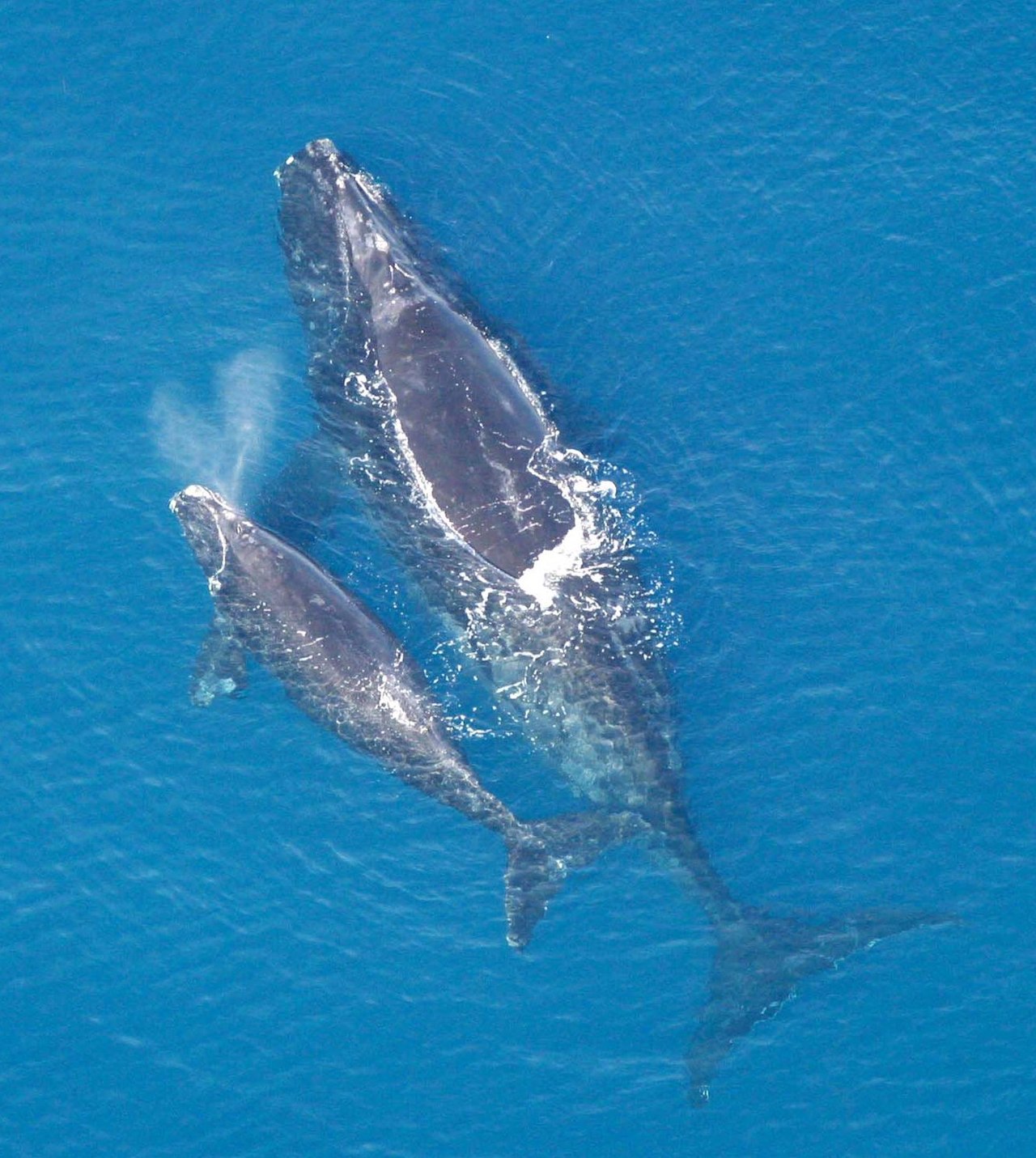

Fundamental tradeoffs
The concept of tradeoffs is the theoretical backbone of life history theory. An organism's phenotype is shaped by the allocation of limited resources, primarily energy and time, among competing demands: somatic growth, bodily maintenance and repair, immune defence, and reproduction. Investing more in one function means investing less in another, and natural selection favours the allocation strategy that maximises lifetime reproductive success in the organism's particular ecological context.3, 4
The most fundamental tradeoff is between current reproduction and future reproduction (equivalently, between reproductive effort and survival). An organism that invests heavily in reproduction today may suffer increased mortality or reduced condition, diminishing its ability to reproduce in the future. Conversely, an organism that restrains its current reproductive effort may survive longer and ultimately produce more offspring over its lifetime. The optimal resolution depends on the organism's survival prospects: when adult mortality is high and unpredictable, selection favours early and heavy investment in reproduction, because the probability of surviving to reproduce again is low. When adult survival is high, selection favours restraint, preserving the body for future reproductive opportunities.3, 7
A second major tradeoff is between offspring size and offspring number. For a given amount of reproductive investment, an organism can produce many small offspring or few large ones. Smith and Fretwell formalised this tradeoff in an influential 1974 model, showing that the optimal offspring size is determined by the relationship between parental investment per offspring and offspring fitness: when the marginal fitness gain from additional investment per offspring diminishes rapidly, selection favours many small offspring, whereas when there is a threshold investment below which offspring have virtually no chance of survival, selection favours fewer, larger offspring.6
A third tradeoff involves growth versus reproduction. In organisms with indeterminate growth (such as many fish, reptiles, and invertebrates), continued growth increases body size, which typically increases fecundity because larger females can carry more eggs. However, the energy devoted to growth delays the onset of reproduction. The optimal age at maturity balances the fecundity advantage of growing larger against the mortality risk of delaying reproduction: in environments with high juvenile mortality, earlier maturation is favoured even at the cost of smaller adult body size, whereas in environments with low juvenile mortality, delayed maturation and larger size are favoured.3, 17
Major life history tradeoffs3, 4
| Tradeoff | Currency | Ecological driver |
|---|---|---|
| Current vs. future reproduction | Energy / survival probability | Adult mortality rate |
| Offspring size vs. number | Per-offspring investment | Offspring survival function |
| Growth vs. reproduction | Time to maturity | Size-dependent fecundity and mortality |
| Reproduction vs. immune defence | Energy allocation | Parasite and pathogen pressure |
| Mating effort vs. parental effort | Reproductive allocation | Operational sex ratio, paternity certainty |
r/K selection theory
One of the earliest and most influential attempts to organise life history variation was r/K selection theory, developed by Robert MacArthur and Edward O. Wilson in their 1967 monograph The Theory of Island Biogeography and elaborated by Eric Pianka in 1970.1, 2 The theory posits a continuum between two extreme strategies. At the r-selected end are species adapted to unstable, unpredictable environments where population density is typically well below carrying capacity. These species are characterised by early maturation, high fecundity, small offspring, little or no parental care, short generation times, and high mortality. The letter r refers to the intrinsic rate of natural increase in the logistic growth equation, which r-selected species are expected to maximise.2
At the K-selected end are species adapted to stable, predictable environments where populations are typically near carrying capacity. These species are characterised by delayed maturation, low fecundity, large offspring, extensive parental care, long lifespans, and low mortality. The letter K refers to the carrying capacity of the environment, and K-selected species are expected to maximise competitive ability under crowded conditions rather than maximise population growth rate.2
Classic examples of r-selected organisms include many insects, annual plants, and small rodents, which produce large numbers of offspring with minimal investment in each. Classic K-selected organisms include elephants, great apes, and large predators, which produce few offspring with heavy parental investment. However, r/K selection theory has been criticised extensively since the 1980s for oversimplifying the multidimensional nature of life history variation. Stearns and others demonstrated that the r-K continuum fails to capture important axes of variation, such as the tradeoff between juvenile and adult mortality, and that many species do not fit neatly along the predicted continuum.3 While r/K terminology persists in textbooks and popular science, most life history researchers now prefer more nuanced frameworks, particularly the demographic classification of life histories based on age-specific patterns of survival and reproduction.3, 17
Lack's clutch size and optimality models
David Lack's hypothesis about clutch size in birds, proposed in 1947, was one of the first applications of optimality thinking to life history evolution and remains a touchstone of the field. Lack observed that bird clutch sizes are typically smaller than the physiological maximum and proposed that natural selection favours the clutch size that maximises the number of surviving offspring, not the number of eggs laid. Parents that attempt to raise too many chicks spread their provisioning effort too thinly, resulting in undernourished young with lower survival probability, so that the total number of fledglings that survive to breed is maximised at an intermediate clutch size.5
Lack's hypothesis was remarkably productive, generating decades of empirical research. Experimental manipulations of clutch size in numerous bird species confirmed the basic prediction: enlarged clutches produced more fledglings per nest but fewer surviving recruits per egg, while reduced clutches produced fewer fledglings but each with higher individual survival.5 However, the observed clutch size in many species is consistently smaller than the Lack optimum, a discrepancy that stimulated important theoretical refinements.
Charnov and Krebs proposed that the Lack optimum fails to account for the cost of reproduction to the parent. A parent that raises a Lack-optimal clutch may suffer reduced survival or future fecundity, so that the lifetime-optimal clutch size is smaller than the single-brood optimum.7 This insight connected Lack's ornithological work to the broader framework of life history tradeoffs and established the principle that optimality in life history evolution must be assessed over the entire lifespan, not over a single reproductive episode. More sophisticated optimality models now incorporate age-structured demography, stochastic environments, and frequency-dependent selection, moving well beyond Lack's original formulation while preserving his fundamental insight that reproductive effort is shaped by the fitness consequences of allocation decisions.3, 17
Theories of senescence
One of the most significant applications of life history theory is to the evolution of senescence, the progressive decline in physiological function and increase in mortality rate with age. From a naïve selectionist perspective, ageing is paradoxical: why would natural selection permit the deterioration of the body when it could, in principle, maintain it indefinitely? Three major evolutionary theories address this question, all grounded in the observation that the force of natural selection declines with age because older individuals have already transmitted most of their genes to the next generation and face cumulative mortality that reduces their contribution to future gene pools.3, 17
Peter Medawar's mutation accumulation theory, proposed in 1952, argues that deleterious mutations whose effects are expressed only late in life experience weak selection against them, because few individuals survive long enough for late-acting mutations to affect fitness. Over evolutionary time, such mutations accumulate in the genome, producing the familiar pattern of increasing frailty with age.10
George Williams's antagonistic pleiotropy theory, published in 1957, goes further by proposing that some genes have beneficial effects early in life but deleterious effects later. If the early benefits enhance reproduction during the peak reproductive years, selection will favour these genes even if they cause deterioration in old age, because the fitness gained early outweighs the fitness lost late. Antagonistic pleiotropy predicts a more active role for selection in shaping senescence, not merely failing to remove late-acting mutations but actively favouring genes that trade late-life survival for early-life reproduction.11
Thomas Kirkwood's disposable soma theory, proposed in 1977, frames senescence as a life history tradeoff between somatic maintenance and reproduction. Because the energy required to maintain the body in perfect repair indefinitely would come at the expense of reproductive investment, selection favours a level of somatic maintenance that is sufficient to keep the organism functional through its expected reproductive lifespan but not beyond. In environments with high extrinsic mortality (predation, disease, accidents), the expected reproductive lifespan is short, and selection favours low investment in maintenance (resulting in rapid ageing). In environments with low extrinsic mortality, the expected lifespan is longer, and selection favours greater investment in maintenance (resulting in slower ageing).9
Empirical support for these theories comes from multiple sources. Reznick and colleagues studied guppies (Poecilia reticulata) from populations that experience different levels of predation and found that guppies from high-predation environments matured earlier, reproduced more frequently, and senesced faster than guppies from low-predation environments, consistent with the predictions of both antagonistic pleiotropy and the disposable soma theory.8 Comparative studies across mammal and bird species have shown that species with lower extrinsic mortality rates have longer lifespans and slower rates of senescence, a pattern predicted by all three theories but most directly by the disposable soma framework.3
Bet-hedging and unpredictable environments
Bet-hedging is a life history strategy in which organisms reduce their expected fitness in exchange for reduced variance in fitness across generations, analogous to a financial investor accepting lower average returns to reduce the risk of catastrophic losses. Bet-hedging is favoured in environments that fluctuate unpredictably across generations, where a strategy that performs well on average may occasionally result in total reproductive failure.14
Two forms of bet-hedging are recognised. In conservative bet-hedging, an individual consistently adopts a single intermediate strategy that performs reasonably well across a range of environmental conditions but is optimal in none. For example, a desert annual plant that produces seeds with an intermediate dormancy period hedges its bets against the unpredictable timing of rainfall: some seeds germinate in any given year, but enough remain dormant to ensure that at least some germinate in favourable years.14
In diversified bet-hedging, an individual produces offspring that vary in their phenotypes, spreading risk across multiple strategies in the same generation. An insect that produces a clutch of eggs with variable diapause durations is practising diversified bet-hedging: in any given year, some offspring will emerge at the right time, even though many will emerge too early or too late. The parent's expected fitness is lower than it would be if it could predict the environment perfectly, but the variance in fitness across years is also lower, and in a geometric (multiplicative) fitness framework, reducing variance increases long-term geometric mean fitness even at the expense of arithmetic mean fitness.3, 14
Bet-hedging theory has been invoked to explain a wide range of biological phenomena, including seed dormancy in plants, variable egg diapause in insects, stochastic phenotype switching in bacteria, and the maintenance of genetic variation in fluctuating environments. The theory demonstrates that natural selection does not always favour maximising average reproductive output; in stochastic environments, strategies that sacrifice average performance for reliability can be selectively advantageous.14
Reaction norms and phenotypic plasticity
Organisms do not simply express a fixed set of life history traits; instead, they adjust their development and reproduction in response to environmental cues. A reaction norm describes how a single genotype produces different phenotypes across a range of environmental conditions. In the context of life history theory, reaction norms describe how traits such as age at maturity, body size at maturity, and reproductive allocation vary as functions of environmental variables such as food availability, temperature, population density, and predation risk.15
Stearns and Koella developed a theoretical framework for predicting the shape of reaction norms for age and size at maturity. Their model showed that when mortality is high and food is scarce, organisms should mature earlier at a smaller size (sacrificing the fecundity benefits of large size to avoid the mortality costs of delayed maturation), whereas when mortality is low and food is abundant, organisms should delay maturation and grow to a larger size. The predicted reaction norms are not simple linear functions but curves whose shapes depend on the specific tradeoffs between growth, mortality, and fecundity in each species.15
Phenotypic plasticity in life history traits is itself subject to natural selection. In predictable environments where the same set of conditions recurs reliably across generations, selection may favour genetically fixed (canalised) life history traits. In variable but predictable environments (where environmental cues reliably predict future conditions), selection may favour adaptive plasticity, the ability to adjust the phenotype in response to environmental information. In unpredictable environments where cues are unreliable, selection may favour bet-hedging or a robust intermediate strategy rather than plasticity.3, 15
The study of reaction norms has important implications for understanding how organisms will respond to rapid environmental change, including climate change and habitat alteration. Species with broad, adaptive reaction norms may be better able to adjust their life histories to novel conditions, while species with narrow, canalised reaction norms may be more vulnerable to environmental shifts that push conditions outside the range to which they are adapted.4
Allometry and the pace-of-life syndrome
Body size is the single most important predictor of life history variation across species. Larger organisms tend to live longer, mature later, have lower mass-specific metabolic rates, and produce fewer but larger offspring than smaller organisms. These scaling relationships, known as allometric laws, are remarkably consistent across broad taxonomic groups and span many orders of magnitude in body mass.12
Calder documented that in mammals, lifespan scales approximately as body mass to the 0.25 power (M0.25), age at maturity scales similarly, and heart rate scales as M−0.25. These quarter-power scaling relationships are shared with metabolic rate (which scales as M0.75) and have been interpreted as evidence that life history schedules are fundamentally constrained by metabolic rate, which in turn is constrained by the fractal geometry of resource-distribution networks within the body.12, 13
West, Brown, and Enquist proposed a general model for the origin of allometric scaling laws based on the physics of nutrient transport through branching networks. Their model predicts quarter-power scaling for metabolic rate and, by extension, for life history traits that are coupled to metabolic rate. The model implies that much of the variation in life history across species is a direct consequence of body size, mediated through metabolic constraints, rather than an independent target of natural selection.13
The pace-of-life syndrome extends allometric thinking by proposing that life history traits covary not only with body size but also with physiological and behavioural traits along a "fast-slow" continuum. Réale and colleagues argued that fast-living species (small, short-lived, highly fecund) also tend to have higher metabolic rates, bolder behaviour, higher stress reactivity, and weaker immune responses, while slow-living species (large, long-lived, low fecundity) show the opposite pattern. This covariation may reflect underlying physiological constraints or correlated selection pressures that link life history, physiology, and behaviour into integrated syndromes.16, 19
However, the pace-of-life syndrome remains an active area of debate. Some studies have found strong support for the predicted correlations, while others have found that the relationships between life history, physiology, and behaviour break down within species or within particular taxonomic groups, suggesting that the syndrome may be an emergent property of broad cross-species comparisons rather than a universal organisational principle.16
Phylogenetic constraints and semelparity versus iteroparity
Not all variation in life history traits is adaptive. Organisms inherit a phylogenetic legacy that constrains the range of life histories available to them. Mammals, for example, are universally viviparous and endothermic, which imposes high energetic costs of reproduction and limits litter sizes compared to ectothermic egg-laying vertebrates of similar body size. Insects are constrained by their exoskeleton, which requires moulting and places upper limits on body size. These phylogenetic constraints mean that life history evolution proceeds not from a blank slate but from a historically determined starting point that channels the direction of evolutionary change.3, 4
One of the most dramatic life history distinctions is between semelparity (reproducing once and dying) and iteroparity (reproducing multiple times). Semelparous organisms include Pacific salmon, many annual plants, century plants (Agave), and numerous insect species. Iteroparous organisms include most mammals, birds, and perennial plants. The evolution of semelparity is typically explained by models in which the fitness gain from investing everything in a single massive reproductive effort exceeds the gain from spreading reproduction over multiple smaller efforts. This condition is met when adult survival between reproductive bouts is very low, when there are strong economies of scale in reproduction (for example, when synchronous mass spawning swamps predators), or when the organism faces a predictably fatal event (such as the migration and spawning gauntlet faced by salmon).3, 18
Young's phylogenetic analysis showed that semelparity has evolved independently multiple times across the plant and animal kingdoms, suggesting that it represents a convergent evolutionary solution to particular combinations of ecological pressures rather than a phylogenetic accident.18 Within the same genus, closely related species can differ in their parity strategy: some species of Agave are semelparous while others are iteroparous, indicating that the transition between strategies can be evolutionarily labile when ecological conditions change.3
Phylogenetic constraints also shape the covariation among life history traits. Within mammals, the placental reproductive mode imposes a minimum gestation length that scales allometrically with body size, and the requirement for lactation ties maternal energy budgets to offspring demand in ways that have no parallel in oviparous reptiles of equivalent mass. Similarly, the determinate growth of birds and mammals contrasts with the indeterminate growth of many fish and reptiles, leading to fundamentally different relationships between age, size, and fecundity. These deep phylogenetic differences mean that convergent life histories in distantly related taxa (for example, the similar generation times and litter sizes of similarly sized rodents and lizards) must arise through different developmental and physiological pathways, a reminder that natural selection optimises within the constraints of inherited body plans rather than engineering solutions from first principles.3, 4
Significance and current directions
Life history theory provides the conceptual framework for understanding why organisms differ so profoundly in their patterns of growth, reproduction, and survival. From bacteria that divide every twenty minutes to bristlecone pines that persist for millennia, the diversity of life histories reflects the diversity of ecological challenges that organisms face and the constraints, both physical and phylogenetic, within which evolution operates.3, 4
Current research in life history theory is moving in several directions. The integration of genomics and quantitative genetics is revealing the genetic architecture of life history tradeoffs, identifying specific loci and regulatory pathways that underlie the allocation decisions described by theory. Studies of ageing in model organisms are testing the predictions of mutation accumulation, antagonistic pleiotropy, and disposable soma theories at the molecular level, with growing evidence that conserved nutrient-sensing pathways such as the insulin/IGF-1 signalling network mediate tradeoffs between reproduction and longevity across taxa.3, 8
The study of life history tradeoffs at the molecular level has been particularly fruitful. Research on the nematode Caenorhabditis elegans and on Drosophila has identified mutations in the insulin/IGF-1 signalling pathway that dramatically extend lifespan while simultaneously reducing fecundity, providing direct molecular evidence for the reproduction-longevity tradeoff predicted by disposable soma theory. The caloric restriction effect, in which reducing food intake extends lifespan in organisms from yeast to primates, is interpreted in life history terms as a facultative shift in allocation from reproduction to somatic maintenance in response to resource scarcity, an adaptive plastic response that delays reproduction until conditions improve.3, 9
Applied contexts are also driving new work. Conservation biologists use life history theory to predict which species are most vulnerable to extinction (species with slow life histories, characterised by low fecundity and late maturation, are generally more vulnerable to population decline and slower to recover from disturbance). Fisheries biologists apply life history models to understand how harvesting pressure drives evolutionary changes in age at maturity and body size in exploited fish populations, a phenomenon known as fisheries-induced evolution.4, 17 And climate change biologists are using reaction norm frameworks to predict how shifting temperature and precipitation regimes will alter the phenology and reproductive allocation of species across ecosystems. In each of these domains, life history theory provides the essential link between the ecology organisms experience and the evolutionary responses they produce.3