Overview
- Parasites may outnumber free-living species on Earth, and their arms-race dynamics with hosts—described by the Red Queen hypothesis—are a primary engine of evolutionary change, driving everything from immune system complexity to the prevalence of sexual reproduction.
- Classic coevolutionary systems—the myxoma virus and Australian rabbits, Plasmodium and sickle-cell anaemia, cuckoos and their hosts—demonstrate how reciprocal selection pressure produces rapid, measurable evolutionary responses in both parasite and host lineages.
- Parasites manipulate host behavior with extraordinary precision, as seen in Toxoplasma gondii, Ophiocordyceps fungi, and hairworms, revealing that natural selection operates not just on host bodies but on host nervous systems, blurring the boundary between parasite and host phenotype.
Parasitism is not a marginal ecological strategy but arguably the dominant mode of life on Earth. By most estimates, parasitic species — organisms that live at the expense of a host, deriving resources while harming host fitness — may outnumber free-living species, when all viruses, bacteria, fungi, protists, helminths, and arthropod parasites are tallied together.12 This numerical supremacy is itself an evolutionary fact of the first order: it means that the selective pressure exerted by parasites on hosts, and by hosts on parasites, is among the most pervasive forces shaping life. The resulting dynamic — the endless reciprocal adaptation and counter-adaptation of host and parasite — is the field of coevolution in its most urgent and best-studied form. It has shaped immune systems, driven the evolution of sexual reproduction, generated some of the most remarkable examples of behavioral manipulation in nature, and furnished one of the most searching challenges to theological arguments for benevolent design.
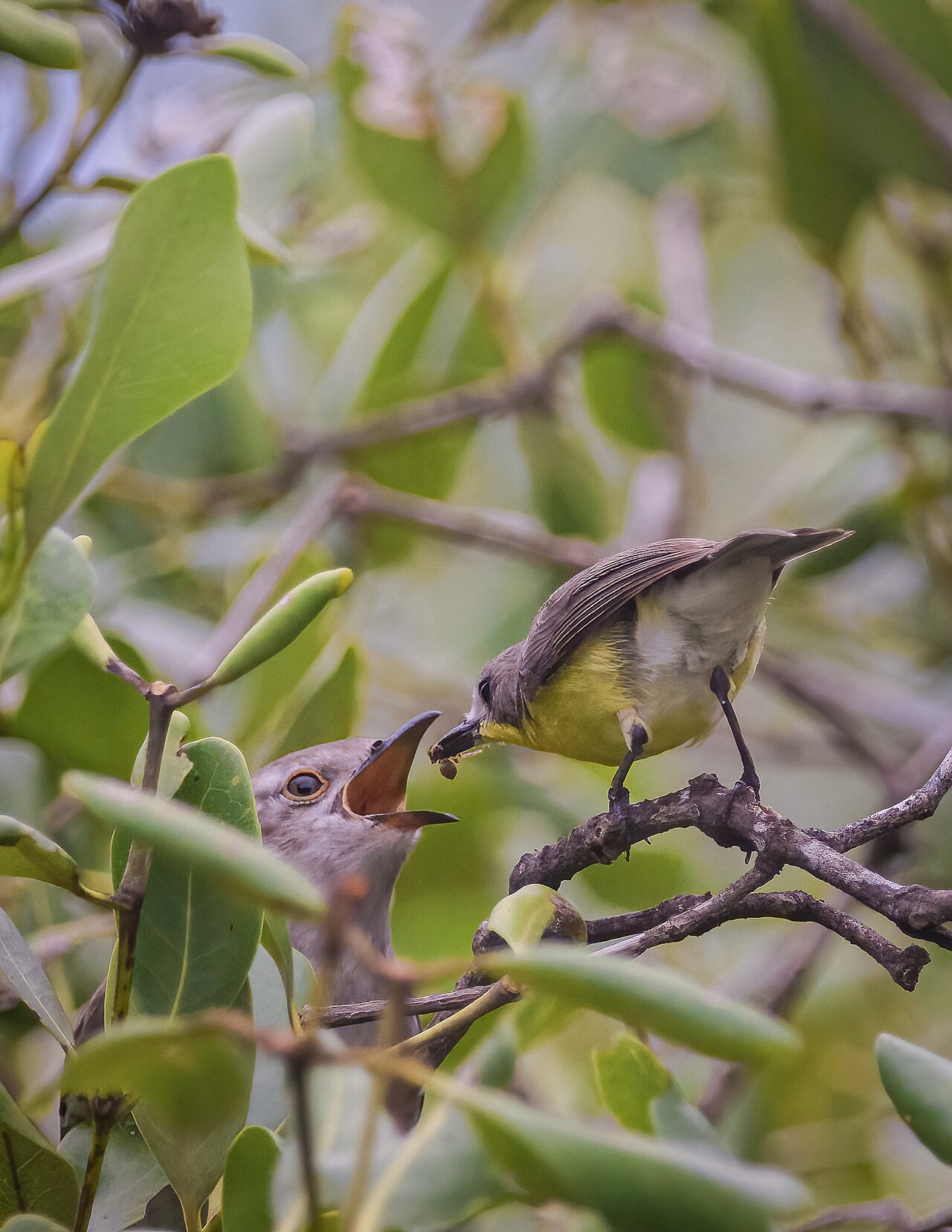

The prevalence of parasitism
Estimating the fraction of species that are parasitic is methodologically fraught, but several convergent analyses suggest the number is very high. Dobson and colleagues, surveying known parasite diversity across major taxa, concluded that when viruses, bacteria, fungi, and metazoan parasites are all considered, parasitic species may constitute the majority of species on Earth, and that a typical free-living animal hosts multiple parasites specific to it alone.12 Every vertebrate species examined in detail harbours dozens to hundreds of parasite species; a single species of fish may carry more than a hundred helminth species. The food web of any ecosystem, when fully resolved, contains more parasitic links than predator-prey links, and removing parasites from ecological models dramatically distorts predictions about energy flow and community structure.
Parasitism is not a single evolutionary strategy but a spectrum. Microparasites — viruses, bacteria, and protists — replicate within the host and are typically transmitted directly. Macroparasites — helminths, arthropods, and many fungi — grow and reproduce on or in the host but shed infective stages into the environment. Brood parasites such as cuckoos exploit the parental behavior of other species rather than their tissues. Despite their differences, all share the defining feature of deriving fitness benefits at a cost to host fitness, and all therefore face the same evolutionary challenge: they must remain within host populations long enough to transmit, without killing hosts so rapidly that transmission chains collapse. This tension between virulence and transmission is a central preoccupation of the evolutionary biology of parasitism.23
The Red Queen hypothesis
In 1973, the evolutionary biologist Leigh Van Valen proposed what he called a new evolutionary law, derived from his observation that the probability of extinction in a lineage appeared to be roughly constant through geological time, independent of how long that lineage had already persisted.1 Van Valen interpreted this to mean that organisms must run continuously just to maintain their fitness relative to other evolving species — an idea he named after Lewis Carroll’s Red Queen, who told Alice that in her country one must run as fast as one can simply to stay in place. The Red Queen hypothesis, as it has come to be called, holds that the biotic environment — above all, the organisms with which a species interacts most intimately, namely its parasites — constitutes an ever-shifting selective landscape that prevents evolutionary stasis.
Host–parasite coevolution exemplifies the Red Queen dynamic with particular clarity because host and parasite are locked in a zero-sum conflict over the same resources: the host’s body.14 Any host mutation that impairs parasite attachment, recognition, or replication will be strongly favored by natural selection. But a parasite variant that overcomes this resistance will in turn be strongly favored. The result is a perpetual arms race in which neither party can achieve a permanent victory. Theoretical models predict, and empirical data confirm, that this arms race can produce oscillating gene frequency dynamics, in which host resistance alleles rise in frequency, driving down the frequency of matching parasite genotypes, until the rarity of susceptible hosts reduces selection for resistance, allowing sensitive alleles to drift back up — and the cycle repeats.13 This frequency-dependent selection is powerful enough, models suggest, to maintain extraordinary levels of genetic diversity in both host and parasite populations, and to favor any mechanism that generates novel host genotypes faster than parasites can track them.
Coevolutionary case studies
Myxoma virus and European rabbits in Australia. One of the most thoroughly documented coevolutionary arms races in natural history began in 1950, when the myxoma virus was deliberately introduced into Australia to control populations of the European rabbit (Oryctolagus cuniculus), which had been causing severe agricultural damage since their introduction in the nineteenth century. The initial mortality rate exceeded 99 percent. Within a few years, however, populations of survivors began to appear, and genetic analysis revealed two simultaneous evolutionary responses: the virus had evolved reduced virulence (strains that killed hosts more slowly had more time to be transmitted by mosquitoes), and the rabbit population had evolved increased resistance to the virus.4 The rapidity of this response — measurable within a decade in both host and parasite — provided a near-experimental demonstration of the reciprocal nature of coevolutionary change, and remains a landmark case in the field.
Plasmodium and sickle-cell anaemia. In 1954, the British geneticist Anthony Allison published the observation that the sickle-cell allele at the haemoglobin-beta gene, which causes severe anaemia when homozygous, reaches high frequencies precisely in regions of sub-Saharan Africa where malaria caused by Plasmodium falciparum is endemic.5 Heterozygous carriers of the sickle-cell allele proved substantially protected against severe malaria: the abnormal haemoglobin in their red blood cells impairs parasite replication, reducing the likelihood of cerebral malaria and death. This is a textbook case of balancing selection driven by parasitism: the sickle-cell allele is maintained at high frequency not despite its harmful homozygous effects, but because heterozygotes gain a survival advantage in parasite-infected environments. The sickle-cell story illustrates how a single parasite species can leave a permanent signature on the genetic architecture of its host population, shaping the distribution of alleles across entire continents.
Cuckoo brood parasitism and host egg mimicry. The common cuckoo (Cuculus canorus) lays its eggs in the nests of other bird species, leaving the hosts to incubate and raise the cuckoo chick, which evicts the host’s own offspring. Different female cuckoos, belonging to distinct genetic lineages called gentes, specialize on different host species and have evolved eggs that closely mimic the colour and pattern of their chosen host’s eggs.7 The hosts, in turn, have evolved increasingly discriminating egg-rejection behavior, discarding foreign eggs that fail to match their own. Experiments by Nick Davies and Michael de L. Brooke demonstrated that reed warblers (Acrocephalus scirpaceus) reject experimental eggs that differ from their own clutch, while hosts with shorter histories of cuckoo parasitism show weaker discrimination. This ongoing coevolutionary contest — mimicry improving under pressure from rejection, rejection sharpening under pressure from mimicry — is a canonical example of coevolutionary escalation in action.7
Parasite-driven evolution of sexual reproduction
The evolution of sexual reproduction presents one of the most persistent puzzles in evolutionary biology. A female that reproduces asexually passes all of her genes to each offspring; a female that reproduces sexually passes only half her genes to each offspring, because half come from the male partner. This “cost of sex” is severe: all else being equal, asexual populations should outcompete sexual ones and displace them. Yet sexual reproduction is nearly universal among complex multicellular organisms. Why?
William Hamilton, one of the twentieth century’s most original evolutionary theorists, proposed that parasites provide the answer.8 Sexual reproduction shuffles allele combinations each generation, producing offspring with novel genotypes unlike those of either parent. If parasites are evolving to exploit the most common host genotypes, rare genotypes gain an automatic advantage: parasites have not yet evolved the tools to exploit them efficiently. Sexual reproduction continuously generates these rare genotypes, giving hosts a moving target that parasites cannot readily track. Asexual reproduction, by contrast, produces clonal populations in which every individual shares the same genotype — a feast for any parasite adapted to that genotype.
Curtis Lively tested this prediction in a natural population of the New Zealand freshwater snail Potamopyrgus antipodarum, which reproduces both sexually and asexually.20 He found that sexual individuals were most common in populations where trematode parasites were most prevalent and most genetically diverse. In low-parasite environments, asexual clones dominated. This pattern, replicated across many populations and subsequently confirmed by longer-term studies, provided direct empirical support for the parasite-driven maintenance of sex — a finding with sweeping implications, since it means that the most fundamental feature of the reproductive biology of complex life may have been shaped, in large part, by the ancient arms race with parasites.13
The immune system as evolutionary response
The vertebrate immune system is among the most complex biological structures known, involving hundreds of cell types, thousands of signaling molecules, and a capacity for learned, antigen-specific responses that can persist for decades. Its extraordinary elaboration is inexplicable except as an evolutionary response to parasitism.18 The adaptive immune system of jawed vertebrates generates antibody diversity through somatic recombination of immunoglobulin gene segments, producing a near-unlimited repertoire of recognition molecules capable of binding virtually any antigen. This mechanism is not found in any invertebrate lineage; its evolution in the vertebrate ancestor coincided with the transition to larger body sizes and longer lifespans, both of which increase cumulative parasite exposure and thus the payoff from investment in adaptive immunity.
The arms race is reflected in the genomic signatures of host immune genes. The major histocompatibility complex (MHC), which encodes proteins that present pathogen-derived peptides to T cells, is the most polymorphic locus in the vertebrate genome: human populations carry hundreds of MHC alleles, maintained at high frequency by the same frequency-dependent selection that drives Red Queen dynamics.14 Pathogens that evolve to evade recognition by common MHC alleles find rare alleles blocking them; this prevents any single pathogen from achieving permanent evasion across a diverse host population. Parasites, in turn, have evolved an arsenal of immune-evasion strategies: antigenic variation, immunosuppression, molecular mimicry of host proteins, and occupation of immune-privileged sites.18
The relationship between parasites and immunity has a further twist. Evolutionary medicine researchers have proposed the “old friends” hypothesis: that the mammalian immune system evolved in constant contact with chronic helminth infections, and that the regulatory T-cell pathways that prevent autoimmunity were partly calibrated by the need to tolerate long-lived parasitic worms.19 In populations where helminth infections have been eliminated by public health interventions, rates of autoimmune and allergic diseases have risen sharply, consistent with the idea that immune regulation evolved partly in response to parasitic manipulation of host immune responses.
Parasitic manipulation of host behavior
Perhaps the most striking evidence of the power of coevolution is the ability of certain parasites to manipulate the behavior of their hosts with extraordinary specificity, steering host actions in ways that benefit parasite transmission while harming host fitness. Richard Dawkins, in The Extended Phenotype, argued that the parasite’s genes effectively extend their phenotypic reach into the host’s body and nervous system, treating host behavior as part of the parasite’s own phenotype.17
Toxoplasma gondii is an obligate intracellular protist whose definitive host is the domestic cat; intermediate hosts, which include rodents, are infected by consuming oocysts shed in cat feces. In rats and mice, Toxoplasma infection produces a specific and remarkable behavioral change: infected rodents lose their innate fear of cat odor and may instead be attracted to it, dramatically increasing the probability that they will be caught by a cat and thus completing the parasite’s life cycle.9 Neurobiological investigations have traced this effect to parasite cysts in the amygdala and other brain regions, where the parasite appears to alter dopamine signaling and reduce the normal fear response to cat-derived compounds. Human infection with Toxoplasma — estimated to affect roughly one-third of the global population — has been associated with subtle changes in reaction time, personality, and behavior, though the public health significance of these effects remains actively debated.
The fungus Ophiocordyceps unilateralis infects carpenter ants (Camponotus leonardi) in tropical forests and executes one of the most precisely choreographed behavioral manipulations known in biology.10 An infected ant climbs vegetation to a precise height, typically 25 centimeters above the forest floor, bites into the abaxial surface of a leaf vein at a location with optimal humidity and temperature for fungal sporulation, and dies locked in that position. The fungus then erupts a stalk bearing spores from the ant’s head, showering the forest floor below — precisely where foraging workers walk — with infective propagules. This behavior cannot be explained as a consequence of the ant’s normal behavioral repertoire; it represents the parasite engineering the host’s actions to maximize its own transmission. The specificity of the positioning suggests that the fungus is sensing and responding to environmental variables, possibly by producing compounds that act on the ant’s nervous and muscular systems.10
Hairworms of the genus Spinochordodes parasitize terrestrial crickets and grasshoppers. The worm’s aquatic life stage requires it to reach standing water to emerge and reproduce. Infected crickets, which normally avoid water, develop a compulsion to leap into it — a behavior that would ordinarily be suicidal but that delivers the hairworm to its required aquatic environment.16 Proteomic analysis of infected crickets has revealed that the hairworm secretes proteins that mimic host neurotransmitter-associated molecules, directly interfering with the cricket’s central nervous system. These cases of behavioral manipulation — along with many others involving trematodes that alter fish swimming behavior to increase predation by birds, and wasps that modify spider web construction — collectively demonstrate that the phenotypic reach of parasitic genes extends deep into the neurobiology of their hosts.11, 15
Parasitism and the problem of design
The existence of parasitism has long posed a challenge to theological arguments that the living world reflects the work of a benevolent and omnipotent designer. Charles Darwin, in a letter written in 1860, expressed the difficulty with characteristic directness: he could not bring himself to regard a world in which the ichneumon wasp laid its eggs inside living caterpillars — consuming them from within while they remained alive — as the product of a beneficent creator. The ichneumonidae are among the most species-rich families of insects, with tens of thousands of species that parasitize the larvae of other insects, often keeping hosts alive and paralyzed for extended periods to preserve freshness while the wasp’s larvae feed.22 The precision with which these parasites have been shaped by natural selection to exploit host physiology — including venoms that induce specific neurological states in hosts — is undeniable evidence of evolutionary design, but of a blind, amoral kind that sits uneasily with arguments for purposeful creation.
The guinea worm (Dracunculus medinensis) offers another case that has attracted theological attention. The parasite infects humans through contaminated drinking water; a larval stage matures over approximately a year inside the body, during which the female worm — which can reach a meter in length — migrates to the lower limbs. Extraction requires winding the worm slowly around a stick over days or weeks; if the worm breaks, severe infection can result. The infection causes intense pain and prolonged disability, and historically affected millions of people annually across sub-Saharan Africa and South Asia.21 Plasmodium falciparum, responsible for the deadliest form of malaria, killed hundreds of millions of people across human history before the development of modern interventions. These are not marginal inconveniences but major shaping forces of human suffering, and their intricate biological complexity — the sophisticated immune-evasion strategies of malaria parasites, the precisely targeted pathogenesis of guinea worm — makes it difficult to attribute them to accident. They are, from an evolutionary perspective, exquisitely adapted organisms; from the perspective of the argument from poor design, they are exquisitely adapted engines of suffering, shaped by the same undirected process that shaped their hosts.
The evolutionary answer to this challenge is straightforward: parasites exist because they are fit. Natural selection has no preference for host welfare; it favors any heritable variant that increases reproductive success, including variants that more effectively exploit hosts. The existence of parasitism is exactly what an undirected evolutionary process predicts. The theological challenge posed by parasitism is not merely the problem of suffering — that a beneficent God permits pain — but the more specific problem that biological complexity in parasites appears to have been built expressly for the purpose of harming other organisms, in patterns that admit of no engineering explanation other than selection for virulence.6
Parasitism as a driver of biodiversity
The arms race between hosts and parasites is not only a source of suffering and evolutionary change within lineages; it is also a major driver of biodiversity at the macroevolutionary scale. By maintaining genetic diversity within populations through frequency-dependent selection, parasites prevent any single genotype from sweeping to fixation and displacing others, preserving the variation upon which further evolution depends.8 By exerting divergent selective pressure on geographically separated host populations — because parasite communities differ between localities, and local parasite adaptation creates different selective environments — parasites contribute to the ecological divergence that ultimately drives speciation. Populations that evolve resistance to their local parasites may be less fit in environments with different parasite communities, creating a form of local adaptation that reduces gene flow and can initiate reproductive isolation.
Parasites also structure ecological communities by regulating host population sizes and preventing competitive dominance. In a host community where the most abundant species bears the heaviest parasite load, parasites act as a density-dependent regulating force, periodically depressing the dominant species and releasing subordinate competitors. This “Janzen-Connell effect,” originally described for tropical trees and their seed predators, generalizes to animal communities and is thought to be one of the mechanisms maintaining the extraordinary species richness of tropical ecosystems.6 Removing parasites from ecological communities can therefore have cascading effects on community composition: experimental removal of parasites in natural systems has led to competitive exclusion and reduced biodiversity, confirming that parasites, for all the harm they cause individual hosts, play an important stabilizing role in the communities they inhabit.12
The full significance of parasitism for evolutionary biology is still being appreciated. Parasites have shaped the evolution of mate choice, since preferences for mates with low parasite loads or high parasite resistance can function as a proxy for heritable genetic quality.3 They have driven the elaboration of immune systems that rival the nervous system in their complexity. They have contributed to the near-universal prevalence of sexual reproduction in complex life. And they constitute, numerically, much of the biodiversity of life on Earth — the hidden majority of species, invisible at the scale of the naked eye, that have been shaping the evolution of visible organisms since the earliest multicellular animals. Parasitism is not an evolutionary curiosity. It is, in a precise sense, one of the central facts of life.
References
Parasite manipulation of brain monoamines in California killifish (Fundulus parvipinnis) by the trematode Euhaplorchis californiensis
Hair worm (Spinochordodes tellinii) and cricket: behavioral manipulation by a parasite
Parasitism as a driving force in the evolution of virulence and drug resistance in malaria