Overview
- Biological anthropology is the study of human biological variation and evolution, encompassing primatology, paleoanthropology, forensic anthropology, human adaptation, molecular anthropology, and growth and development within a unified evolutionary framework.
- Human populations exhibit remarkable biological diversity shaped by natural selection acting on traits such as skin pigmentation, body proportions, and hemoglobin regulation in response to UV radiation, climate, and altitude, while molecular anthropology and ancient DNA have revolutionized understanding of population history and hominin interbreeding.
- The discipline has undergone a fundamental transformation since the mid-twentieth century, shifting from racial typology and static classification toward population thinking, the biocultural synthesis, and genomic methods that treat human biology and culture as inseparable dimensions of a single evolutionary process.
Biological anthropology, also known as physical anthropology, is the branch of anthropology concerned with the biological dimensions of human existence: the evolution, genetics, growth, adaptation, and diversity of the human species and its primate relatives. As one of the four traditional subfields of American anthropology, it shares with its sister disciplines a commitment to understanding humanity in the broadest possible terms, but its methods and questions are rooted in the natural sciences rather than the humanities.1, 17 The discipline encompasses an extraordinarily wide range of topics, from the behaviour of free-living chimpanzees and the reconstruction of fossil hominin phylogenies to the forensic identification of skeletal remains, the genetics of high-altitude adaptation, and the secular trends in human growth that track improvements in nutrition and public health across generations. What unites these diverse pursuits is a shared commitment to evolutionary theory as the organising framework for understanding human biology and behaviour.17, 21
The field has undergone a profound transformation over the past century. In the early twentieth century, physical anthropology was dominated by racial typology — the measurement and classification of human bodies into discrete racial categories assumed to reflect fixed biological essences. Beginning in the 1950s, a revolution spearheaded by Sherwood Washburn replaced this static approach with population thinking derived from the modern evolutionary synthesis, reframing human variation as the product of evolutionary processes acting on genetically diverse populations rather than as the expression of immutable racial types.1, 18 Today, the discipline integrates genomics, developmental biology, ecology, and cultural analysis in what practitioners call the biocultural approach, recognising that human biology and culture are not separate domains but mutually constitutive dimensions of a single evolutionary process.14, 23
Scope and definition
Biological anthropology is defined by two unifying concepts: human evolution and human biosocial variation.17 The discipline investigates how the human species came to be, how it has diversified across the globe, and how biological processes interact with cultural practices to shape health, growth, reproduction, and adaptation. Unlike biomedical sciences that focus on individual pathology, biological anthropology takes a population-level, evolutionary perspective, asking not merely how a biological system works but why natural selection, genetic drift, gene flow, and mutation have produced the patterns of variation observed in living and past human populations.1, 21
The major subdisciplines of biological anthropology include primatology, paleoanthropology, human osteology and forensic anthropology, the study of human biological variation and adaptation, molecular anthropology, and the study of human growth and development.17 These subfields are not sealed compartments; a researcher studying the dental development of fossil hominins draws simultaneously on primatology, paleoanthropology, and growth biology, while a forensic anthropologist working on the identification of human rights victims employs osteological methods grounded in population-level studies of skeletal variation. The coherence of the discipline lies not in a shared method but in a shared theoretical orientation: the application of evolutionary thinking to the understanding of human biology.1, 17
Primatology
Primatology, the study of non-human primates, occupies a foundational position in biological anthropology because the order Primates provides the phylogenetic context within which human evolution must be understood. There are more than 500 recognised living primate species, grouped into two major suborders: the Strepsirrhini (lemurs, lorises, and galagos) and the Haplorrhini (tarsiers, monkeys, apes, and humans). Within the haplorrhines, the infraorder Simiiformes divides into the Platyrrhini (New World monkeys of the Americas) and the Catarrhini (Old World monkeys, apes, and humans), with humans classified in the family Hominidae alongside the great apes.3 Comparative studies of primate anatomy, genetics, behaviour, and ecology provide essential baselines for interpreting human adaptations: the human hand, brain, social structures, and dietary flexibility all represent variations on primate themes that are illuminated by comparison with living relatives.3
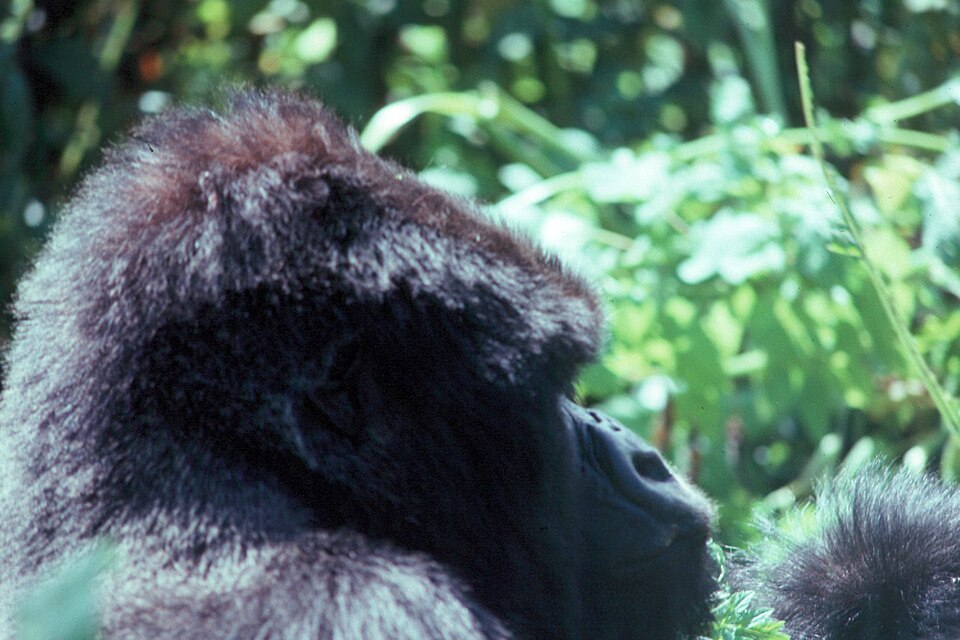

No single figure did more to demonstrate the value of long-term primate field research than Jane Goodall, who in 1960 began what would become the longest-running study of wild chimpanzees at what is now Gombe Stream National Park in Tanzania. Goodall's early observations overturned two assumptions that had been considered definitional of humanity: that only humans make and use tools, and that only humans hunt and consume meat. Her documentation of chimpanzees stripping leaves from twigs to fish for termites, and of cooperative hunting of red colobus monkeys, demonstrated behavioural continuities between humans and their closest living relatives that reshaped the entire framework of human evolutionary studies.2 The Gombe research programme has now generated more than 300 publications and trained multiple generations of primatologists, establishing long-term behavioural observation as a central methodology of the discipline.2
Modern primatology extends well beyond behavioural observation. Molecular phylogenetics has refined primate taxonomy by revealing cryptic species — populations that are morphologically similar but genetically distinct — substantially increasing the count of recognised primate species and informing conservation priorities. Primate ecology investigates the relationships between social organisation, ranging behaviour, diet, and habitat, while primate cognition research explores the evolutionary origins of language, cooperation, deception, and cultural transmission.3
Paleoanthropology
Paleoanthropology, the study of human evolution through the fossil record, is the subdiscipline of biological anthropology most closely concerned with reconstructing the phylogenetic history of the hominin lineage. The hominin fossil record now extends back approximately seven million years to the late Miocene, with early taxa such as Sahelanthropus tchadensis and Ardipithecus representing possible ancestors or close relatives of the lineage that led to modern humans. The australopiths, including Australopithecus afarensis (exemplified by the famous skeleton known as "Lucy") and Australopithecus africanus, document the evolution of habitual bipedalism in Africa between roughly four and two million years ago, while the emergence of the genus Homo approximately 2.8 million years ago marks the beginning of a trajectory characterised by increasing brain size, stone tool manufacture, and eventually the dispersal of hominins out of Africa.15
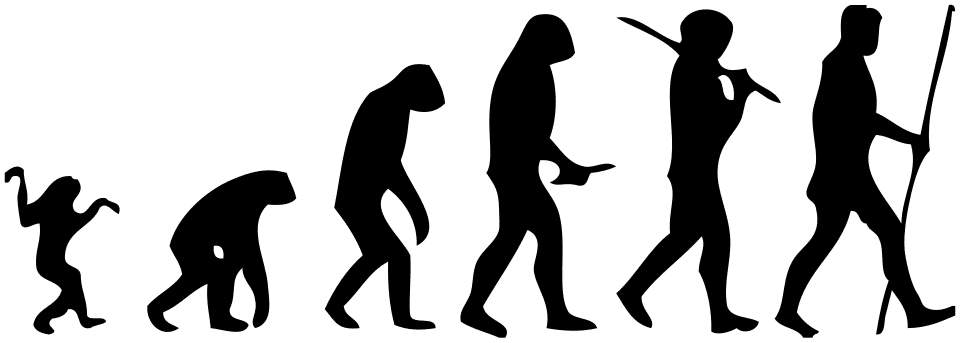

Paleoanthropologists employ a battery of methods to extract biological information from fossils. Comparative morphology identifies anatomical similarities and differences among taxa, while computed tomography (CT) scanning permits the non-destructive study of internal cranial structures, tooth enamel thickness, and trabecular bone architecture. Isotopic analysis of fossilised tooth enamel can reveal ancient diet and habitat preferences, and radiometric dating methods — including potassium-argon, argon-argon, and uranium-series dating — establish the chronological framework within which fossil discoveries are placed.15 The integration of these methods has produced an increasingly detailed, though still incomplete, picture of hominin evolution as a branching bush rather than a linear progression, with multiple hominin species coexisting at various points in the past.4, 15
Human osteology and forensic anthropology
Human osteology, the study of the human skeleton, provides the anatomical foundation for much of biological anthropology. The approximately 206 bones of the adult human skeleton encode information about an individual's age at death, sex, ancestry, stature, health history, habitual activities, and cause of death. The ability to extract this information from skeletal remains is the basis of both bioarchaeology — the study of past populations through their skeletal remains recovered in archaeological contexts — and forensic anthropology, the application of skeletal biology to medico-legal investigations.19
Forensic anthropologists construct what is termed a biological profile from skeletal remains, consisting of estimates of sex, age at death, ancestry, and stature. Sex estimation relies primarily on the morphology of the pelvis, which differs between males and females due to the biomechanical demands of childbirth, and on sexually dimorphic features of the skull such as the brow ridges, mastoid processes, and mental eminence. Age estimation employs developmental markers in subadults (such as the sequence of dental eruption and the fusion of epiphyseal growth plates) and degenerative changes in adults (such as the metamorphosis of the pubic symphysis and the auricular surface of the ilium). Stature is estimated through regression equations derived from measured long bone lengths in populations of known stature.19
The application of forensic anthropology to human rights investigations represents one of the most consequential extensions of the discipline beyond academia. The forensic anthropologist Clyde Snow pioneered this work in the 1980s when he travelled to Argentina to assist in the identification of victims of the military junta's "Dirty War." Snow trained a group of Argentine university students who became the Equipo Argentino de Antropología Forense (Argentine Forensic Anthropology Team, or EAAF), the first non-governmental forensic anthropology team dedicated to human rights investigations. Their work contributed to the landmark 1985 trial that convicted former junta leaders, and the EAAF model has since been replicated in investigations of mass atrocities in Guatemala, the former Yugoslavia, Rwanda, Iraq, and numerous other countries.20 Snow's demonstration that skeletal evidence could serve as testimony for the dead transformed forensic anthropology from a tool of criminal casework into an instrument of international justice.
Human biological variation and adaptation
A central concern of biological anthropology is understanding the patterns and causes of biological variation among living human populations. Human beings are a relatively young and genetically homogeneous species — any two humans differ at only about 0.1 percent of their DNA — yet they exhibit striking variation in traits such as skin pigmentation, body size and proportions, and physiological responses to environmental stressors including altitude, temperature, and solar radiation. Biological anthropologists investigate whether this variation reflects genetic adaptation through natural selection, developmental plasticity in response to environmental conditions during growth, short-term physiological acclimatisation, or some combination of all three.7, 11
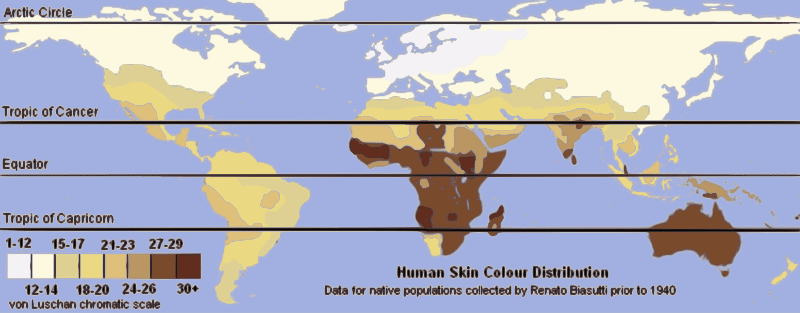

The evolution of human skin pigmentation is among the best-understood examples of natural selection acting on a visible human trait. Nina Jablonski and George Chaplin demonstrated that the global distribution of skin colour correlates strongly with the intensity of ultraviolet radiation (UVR) at the Earth's surface. Near the equator, where UVR is intense year-round, natural selection has favoured dark, eumelanin-rich skin that protects against the photodegradation of folate, a B vitamin essential for DNA synthesis and neural tube development during embryogenesis. At higher latitudes, where UVR is weaker and more seasonal, selection has favoured lighter skin that permits sufficient penetration of UVB radiation to sustain cutaneous synthesis of vitamin D, which is critical for calcium metabolism and immune function.5, 6 The vitamin D–folate hypothesis thus explains human skin colour as the product of two opposing selective pressures whose relative strengths vary with latitude.5, 6
Body size and proportions also vary systematically with climate in patterns described by two nineteenth-century ecogeographical rules. Bergmann's rule predicts that populations in colder environments will have larger body mass relative to surface area, reducing the ratio of heat-dissipating surface to heat-generating volume. Allen's rule predicts that populations in cold climates will have shorter limbs and extremities relative to trunk size, further minimising heat loss. Christopher Ruff demonstrated that these patterns hold across both living human populations and fossil hominins: populations from higher latitudes, including the Inuit, Sami, and Neanderthals, tend to have broad trunks and relatively short limbs, while populations from tropical latitudes tend to be more linearly built with longer limbs relative to trunk height.7 However, recent research has emphasised that developmental plasticity — the capacity of the growing body to adjust its size and proportions in response to nutritional, thermal, and disease environments — plays a significant role alongside genetic adaptation in producing these patterns.7, 16
Examples of human biological adaptations to environmental stressors5, 7, 8, 9
| Environmental stressor | Adaptation | Population example | Mechanism |
|---|---|---|---|
| High UV radiation | Dark skin pigmentation | Equatorial populations | Eumelanin protects folate from photodegradation |
| Low UV radiation | Light skin pigmentation | Northern European populations | Permits UVB-driven vitamin D synthesis |
| Cold climate | Broad trunk, short limbs | Inuit, Sami | Reduced surface-area-to-volume ratio (Bergmann's & Allen's rules) |
| High altitude (hypoxia) | EPAS1 variants, low hemoglobin | Tibetan highlanders | Downregulation of erythropoiesis avoids chronic mountain sickness |
| High altitude (hypoxia) | Elevated hemoglobin concentration | Andean highlanders | Increased oxygen-carrying capacity via erythrocytosis |
| Hot, arid climate | Linear body build, long limbs | East African pastoralists | Maximised surface area for evaporative cooling |
High-altitude adaptation provides a particularly compelling case study in convergent evolution. Cynthia Beall's comparative research demonstrated that Tibetan, Andean, and Ethiopian highland populations, each of which has inhabited elevations above 3,500 metres for thousands of years, have evolved markedly different physiological solutions to the same challenge of chronic hypoxia. Andean highlanders exhibit the "classic" response of elevated hemoglobin concentration (erythrocytosis) to increase blood oxygen-carrying capacity, but this comes at the cost of increased blood viscosity and elevated risk of chronic mountain sickness. Tibetan highlanders, by contrast, maintain hemoglobin concentrations comparable to lowland populations, relying instead on increased blood flow and more efficient oxygen extraction at the tissue level. Ethiopian highlanders show yet a third pattern, with neither elevated hemoglobin nor the altered oxygen saturation profiles seen in Tibetans.8 Genomic studies subsequently identified strong natural selection on the EPAS1 gene (encoding the hypoxia-inducible factor HIF-2α) in Tibetans, with Tibetan-enriched variants associated with the downregulation of red blood cell production that protects against polycythaemia at high altitude.9, 24
Molecular anthropology and ancient DNA
Molecular anthropology applies the tools of genetics and genomics to questions about human evolution, population history, and biological diversity. The field originated in the mid-twentieth century with the immunological comparison of blood proteins among human populations and between humans and other primates, but it was transformed by the advent of DNA sequencing technologies and, more recently, by the revolution in ancient DNA (aDNA) recovery and analysis.10, 22
Luigi Luca Cavalli-Sforza was among the pioneers who demonstrated that genetic data could be used to reconstruct human population history. His landmark synthesis, The History and Geography of Human Genes (1994), compiled data on classical genetic markers from hundreds of populations worldwide and used principal component analysis to map the major axes of human genetic variation, showing that genetic distances among populations correlated broadly with geographic distances and with the archaeological record of human dispersals.10 Subsequent studies using microsatellite markers and, eventually, genome-wide single nucleotide polymorphism (SNP) arrays have confirmed and refined these findings. Sarah Tishkoff and colleagues, analysing more than 1,300 genetic markers across 121 African populations, identified 14 ancestral population clusters within Africa alone, demonstrating that the African continent harbours more genetic diversity than the rest of the world combined — a pattern consistent with Africa's role as the ancestral homeland of Homo sapiens.11
The extraction and sequencing of ancient DNA from archaeological and palaeontological specimens has transformed the discipline in ways that would have seemed impossible a generation ago. In 2010, Svante Pääbo and colleagues published the first draft sequence of the Neanderthal genome, derived from DNA extracted from three bones found in Vindija Cave, Croatia. This landmark achievement demonstrated that Neanderthals and modern humans had interbred after the dispersal of Homo sapiens out of Africa, with approximately 1 to 4 percent of the genomes of present-day non-African populations deriving from Neanderthal ancestors.4 Pääbo's group also identified an entirely new hominin population, the Denisovans, known initially only from a finger bone and a molar tooth recovered from Denisova Cave in Siberia but identified as a distinct lineage through its DNA. The discovery that archaic hominin DNA persists in living human genomes has opened entirely new avenues of research into the functional consequences of introgressed variants, some of which appear to have been adaptive — the Tibetan EPAS1 allele, for example, has been traced to Denisovan ancestry.22, 24 Pääbo was awarded the 2022 Nobel Prize in Physiology or Medicine for his contributions to the field he helped create: palaeogenomics.22
Growth, development, and life history
The study of human growth and development examines how biological maturation unfolds from conception through senescence, and how evolutionary history, genetic variation, and environmental conditions interact to shape the trajectory of physical development. Humans are distinguished from other primates by a distinctive life history pattern that includes a prolonged period of juvenile dependence, a unique adolescent growth spurt, relatively short interbirth intervals (made possible by early weaning and cooperative childcare), and a post-reproductive lifespan in females (menopause) that is virtually absent in other primates.12, 13
Barry Bogin has argued that the human life cycle includes stages not present in other primates, notably a childhood phase (roughly ages 3 to 7) during which the child is weaned from breast milk but remains dependent on adults for provisioning with specially prepared foods, and an adolescence characterised by a dramatic growth spurt in stature and the onset of secondary sexual characteristics. These stages appear to be evolutionary novelties of the genus Homo, linked to the expansion of the brain (which demands sustained high-quality nutrition during a prolonged period of development) and to the cooperative breeding strategies that characterise human societies.12, 16
Life history theory provides the evolutionary framework for understanding these patterns. It predicts that organisms face trade-offs in the allocation of energy and time among growth, maintenance, and reproduction, and that natural selection optimises these allocations in relation to the ecological conditions a species faces. In humans, the extended period of growth and delayed reproduction is interpreted as an investment in somatic capital — particularly brain development and the acquisition of skills and knowledge — that yields reproductive returns later in life through enhanced foraging efficiency, social competence, and parental investment.13
Secular trends in growth — the systematic changes in body size, proportions, and maturational tempo observed across generations — provide a powerful illustration of the sensitivity of human biology to environmental conditions. Over the past 150 years, populations in industrialised nations have become substantially taller and have experienced earlier onset of puberty, trends attributed primarily to improvements in nutrition, sanitation, and control of infectious disease. The secular trend in adult stature in the Netherlands, for example, amounted to roughly 20 centimetres between the mid-nineteenth century and the late twentieth century.12, 16 Where living conditions deteriorate — as during wars, famines, or economic crises — the secular trend reverses, demonstrating that growth is, in Bogin's phrase, "a mirror of conditions in society."12 The convergence of adult stature among populations of different ancestry living under similar conditions further underscores the power of the environment to shape human biology within the constraints set by genetic potential.16
The biocultural approach
One of the most significant intellectual developments in biological anthropology over the past several decades has been the emergence of the biocultural approach, which insists that human biology cannot be understood apart from the cultural, social, economic, and political contexts in which people live. This perspective rejects the separation of biology and culture into independent analytical domains and instead examines how cultural practices — including subsistence strategies, dietary patterns, social hierarchies, labour conditions, and health care systems — shape human biological outcomes such as growth, nutritional status, disease susceptibility, and reproductive success.14, 23
The programmatic statement of this approach was articulated by Alan Goodman and Thomas Leatherman in their 1998 volume Building a New Biocultural Synthesis, which called for the integration of political-economic analysis with the ecological and adaptability perspectives that had previously dominated human biology. Goodman and Leatherman argued that patterns of malnutrition, infectious disease, and growth faltering in impoverished populations could not be explained by biological or ecological factors alone, but required attention to the structural inequalities — in land ownership, wage labour, access to health care, and political power — that constrain the biological options available to individuals and communities.14 In a retrospective assessment published twenty years later, Leatherman and Goodman noted that the biocultural synthesis had expanded to encompass new topics including epigenetics, the developmental origins of health and disease, syndemic theory, and the embodiment of social inequality, while retaining its foundational commitment to understanding biology within its social context.23
The biocultural approach has proven particularly productive in medical anthropology, where it frames health and disease not as purely biological phenomena but as outcomes shaped by the interaction of pathogens, host biology, and social determinants. Studies of the biological consequences of poverty, racism, forced migration, and environmental degradation draw directly on the biocultural framework, examining how social conditions "get under the skin" to produce measurable differences in cortisol levels, immune function, growth trajectories, and chronic disease risk.14, 23
From racial typology to population thinking
The history of biological anthropology is inseparable from the history of ideas about race. In the nineteenth and early twentieth centuries, physical anthropology was largely devoted to the measurement, classification, and ranking of human "races" using techniques such as craniometry (skull measurement), anthropometry (body measurement), and various indices purporting to quantify racial difference. Aleš Hrdlička, who founded the American Journal of Physical Anthropology in 1918 and established the American Association of Physical Anthropologists (AAPA) in 1930, exemplified this tradition: his research programme was organised around the description and classification of racial types, and his methods privileged measurement and typological classification over the analysis of evolutionary process.20
The decisive break with this tradition came in 1951, when Sherwood Washburn published "The New Physical Anthropology," a manifesto that called for the field to abandon racial typology and embrace the population thinking of the modern evolutionary synthesis. Washburn argued that human variability should be understood in terms of population genetics — allele frequencies, gene flow, genetic drift, and natural selection acting on populations — rather than through the static classification of individuals into racial types. He insisted that the proper goal of the discipline was not to describe and catalogue human races but to understand the evolutionary processes responsible for producing human biological diversity.1 Washburn's programme drew on the work of population geneticists such as Theodosius Dobzhansky, who had demonstrated that biological variation within species is continuous and clinal rather than discrete and typological, and that the concept of fixed racial types has no basis in evolutionary biology.1, 17
The transition from racial typology to population thinking unfolded over several decades and was neither uniform nor complete. Some practitioners continued to use racial categories well into the late twentieth century, and forensic anthropology still employs the concept of "ancestry estimation" in constructing biological profiles, though modern practitioners understand ancestry as a statistical description of population affinity rather than an assignment to a fixed racial type.19 In 2019, the AAPA published a formal statement declaring that "race does not provide an accurate representation of human biological variation" and that it "was never accurate in the past," repudiating the discipline's own historical complicity in the scientific legitimation of racial hierarchy.18 The following year, the organisation completed a process of renaming itself the American Association of Biological Anthropologists (AABA), a change intended to signal the field's definitive departure from the tradition of "physical anthropology" and its associations with racial typology and measurement-based classification.18, 21
The intellectual trajectory of the discipline — from Hrdlička's racial catalogues to Washburn's population genetics to the biocultural genomics of the twenty-first century — reflects not merely a change in method but a fundamental reconceptualisation of what it means to study human biology. Where the old physical anthropology sought to classify humans into fixed types, modern biological anthropology seeks to understand the dynamic processes — evolutionary, developmental, ecological, and cultural — that generate and maintain human biological diversity. That shift has made the discipline not only more scientifically rigorous but also more ethically grounded, recognising that the study of human variation carries social consequences and that scientists bear responsibility for how their findings are interpreted and applied.17, 18, 21
References
Natural selection on EPAS1 (HIF2α) associated with low hemoglobin concentration in Tibetan highlanders
Building a New Biocultural Synthesis: Political-Economic Perspectives on Human Biology
Human life course biology: a centennial perspective of scholarship on the human pattern of physical growth and its place in human biocultural evolution
Metric methods for the biological profile in forensic anthropology: sex, ancestry, and stature
The new biological anthropology: bringing Washburn's new physical anthropology into 2010 and beyond