Overview
- Ideas about the transformation of species have roots in ancient Greek philosophy, but the first systematic theories of biological change emerged in the late eighteenth and early nineteenth centuries with Buffon, Lamarck, and Cuvier, whose debates over extinction and transmutation laid the intellectual groundwork for Darwin.
- Charles Darwin and Alfred Russel Wallace independently formulated the theory of evolution by natural selection in the 1850s, but widespread acceptance of the mechanism was delayed until the modern evolutionary synthesis of the 1930s and 1940s unified Mendelian genetics with Darwinian selection through the work of Fisher, Haldane, Wright, Dobzhansky, and Mayr.
- Post-synthesis developments including Kimura's neutral theory of molecular evolution, the rise of evolutionary developmental biology, and proposals for an extended evolutionary synthesis have continued to expand and refine evolutionary theory without overturning its Darwinian core.
The idea that living organisms have changed over time is far older than Darwin. From ancient Greek philosophers who speculated about the mutability of living forms to Enlightenment naturalists who documented the succession of fossils in the geological record, the intellectual history of evolutionary thought spans more than two millennia. Yet the decisive breakthrough — a workable mechanism capable of explaining the diversity, adaptation, and relatedness of life — did not arrive until 1859, when Charles Darwin published On the Origin of Species.1 The century and a half since has seen Darwin's theory challenged, eclipsed, resurrected, formalized, and extended, producing the rich theoretical framework that underlies all of modern biology.
This article traces the major intellectual developments in the history of evolutionary thought, from pre-Darwinian precursors through the modern synthesis and its post-synthesis expansions. It focuses on the ideas themselves, the evidence that motivated them, and the scientists who advanced them.
Ancient and medieval ideas
The earliest recorded speculations about the transformation of living things appear in the writings of the ancient Greeks. Anaximander of Miletus (c. 610–546 BCE) proposed that life originated in water and that humans descended from fish-like ancestors — a remarkably prescient intuition, though it was embedded in a cosmological rather than biological framework.10 Empedocles (c. 490–430 BCE) suggested that organisms were assembled from random combinations of parts, with only viable combinations surviving — a notion sometimes cited as a distant ancestor of natural selection, though it lacked any concept of heredity or gradual change.10
Aristotle (384–322 BCE) exerted a far more enduring influence on Western thought about nature. His scala naturae (great chain of being) arranged all living things in a linear hierarchy from simple to complex, with plants at the bottom, animals in the middle, and humans at the top. Critically, Aristotle conceived this arrangement as a static, eternal order rather than a historical sequence: species were fixed, unchanging, and perfectly suited to their place in the chain.10 This essentialist view of species — each defined by an immutable essence — dominated Western natural philosophy for nearly two thousand years and constituted perhaps the single greatest intellectual obstacle that evolutionary thinking would eventually have to overcome.
Throughout the medieval period in Europe, Aristotelian essentialism merged with Christian theology to produce a view of nature as the static, purposeful handiwork of a Creator. Each species was understood to have been individually designed, its form and function reflecting divine wisdom. This framework discouraged inquiry into the origins of species but did encourage meticulous observation of nature's diversity, which would ultimately provide the raw material for evolutionary thinking when intellectual conditions changed.10
Natural theology and early challenges
In the eighteenth and early nineteenth centuries, the dominant framework for understanding the living world in Britain was natural theology, most influentially articulated by William Paley in his 1802 Natural Theology. Paley argued that the intricate adaptations of organisms — the lens of the eye, the hinge of a bivalve shell, the structure of a bird's wing — were evidence of intelligent design, just as the complexity of a pocket watch implied a watchmaker.22 Paley's argument was not merely a religious assertion; it was the prevailing scientific explanation for adaptation, and Darwin himself read it carefully as an undergraduate at Cambridge, later acknowledging its power even as he replaced it with natural selection.
Meanwhile, the accumulating geological evidence was beginning to undermine the picture of a static, recently created world. The French naturalist Georges Cuvier, working at the Muséum national d'Histoire naturelle in Paris, established the reality of extinction through his comparative anatomical studies of fossil elephants, giant ground sloths, and the mosasaur of Maastricht. By demonstrating that these organisms had no living counterparts, Cuvier proved that species could disappear entirely — a concept that was deeply unsettling to the static worldview.17 Cuvier explained the succession of fossil faunas through catastrophism: periodic catastrophic events, such as floods or geological upheavals, wiped out existing species, after which new species appeared (though Cuvier was vague on their source). Crucially, Cuvier was an opponent of transmutation; he believed species were fixed within each period and that new faunas were either created anew or migrated from elsewhere.17
The opposing view was advanced by Charles Lyell, whose Principles of Geology (1830–1833) argued for uniformitarianism — the principle that the same gradual geological processes operating today have shaped the Earth over immense spans of time.23 Lyell's insistence on gradual change and deep time provided the temporal canvas on which Darwin would later paint his theory of evolution by slow, incremental natural selection. Darwin carried the first volume of Principles aboard HMS Beagle and later credited Lyell's framework as essential to his thinking.1
Lamarck and the transmutation of species
The first comprehensive theory of biological transformation was proposed by Jean-Baptiste Lamarck in his 1809 Philosophie Zoologique. Lamarck argued that organisms are continuously transformed over time through two mechanisms: a built-in tendency toward increasing complexity (a "force that tends incessantly to complicate organisation") and the inheritance of acquired characteristics, whereby modifications produced by an organism's habits and environment during its lifetime are passed to its offspring.16 The classic example — giraffes stretching to reach high leaves and thereby producing longer-necked offspring — is a later simplification, but it captures the essence of Lamarck's second law.
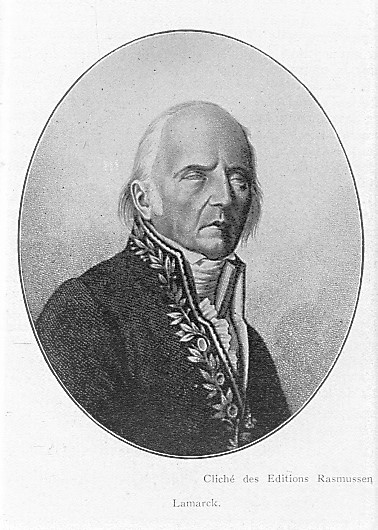

Lamarck's theory was a genuine intellectual achievement. He proposed that species were not fixed but fluid, that simple organisms were continually being generated from nonliving matter and gradually ascending the scale of complexity, and that the diversity of life could be explained by the branching effects of local environmental conditions on this upward trajectory.16 However, his mechanism was wrong: acquired characteristics are not, in general, heritable in the way Lamarck envisioned. His theory was rejected by Cuvier on anatomical and paleontological grounds, and it fell into disrepute in the decades following his death in 1829.10, 17
Despite its failure as a mechanism, Lamarckism contributed two crucial ideas to the history of evolutionary thought. First, it established that a purely naturalistic explanation of species change was conceivable — that one could account for biological diversity without invoking special creation. Second, it highlighted the relationship between organisms and their environments as a central problem requiring explanation. Both ideas profoundly influenced Darwin's generation.10
Darwin, Wallace, and natural selection
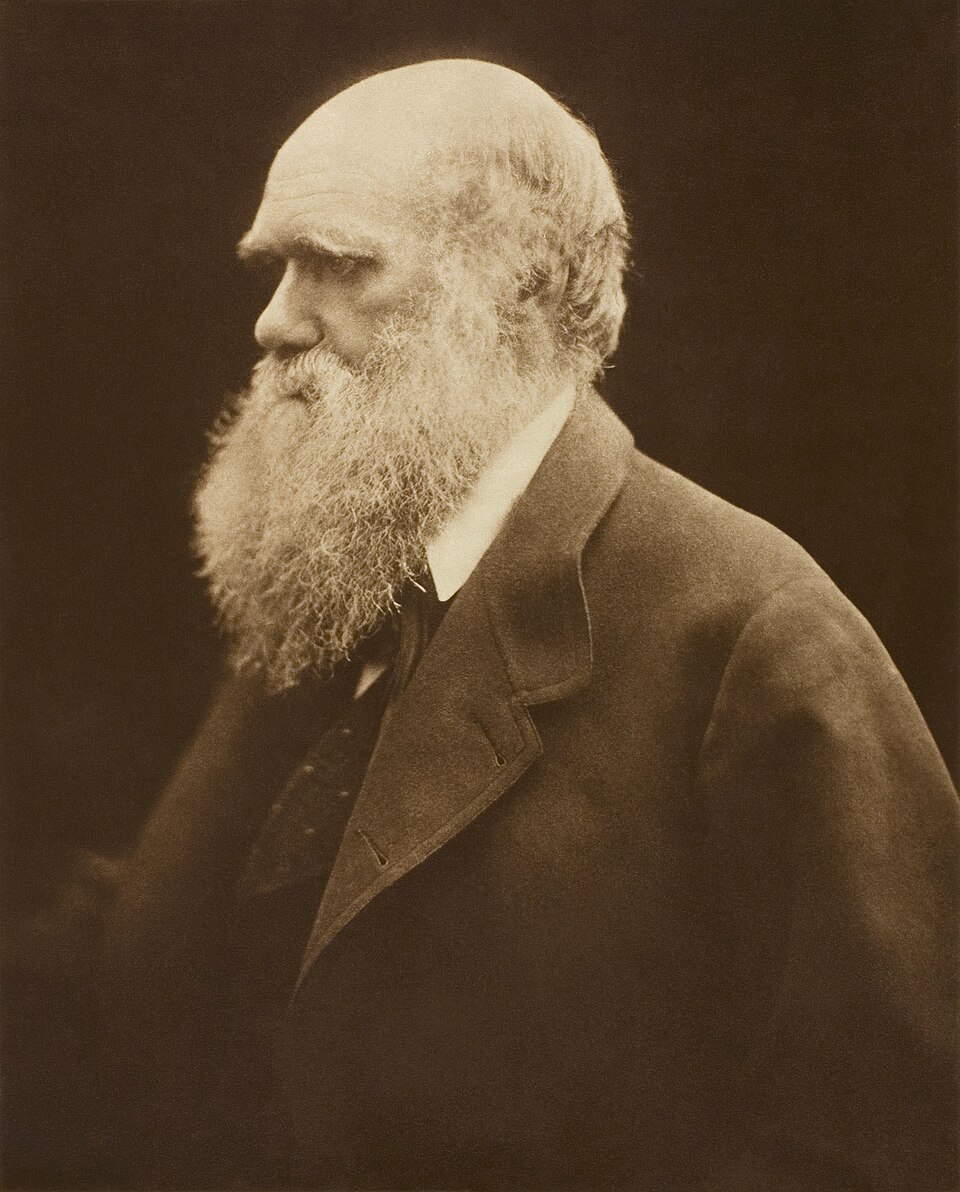

Charles Darwin began formulating his theory of evolution by natural selection in the late 1830s, after returning from the five-year voyage of HMS Beagle (1831–1836). His observations of the geographic distribution of species — particularly the finches and tortoises of the Galápagos Islands, the fossils of giant armadillo-like glyptodonts in South America, and the peculiar fauna of oceanic islands — convinced him that species were not independently created but had descended with modification from common ancestors.1 By 1838, after reading Thomas Malthus's Essay on the Principle of Population, Darwin had arrived at the mechanism: in any population, more individuals are born than can survive, and those individuals whose hereditary variations give them an advantage in the struggle for existence will tend to survive and reproduce at higher rates, passing those advantageous traits to subsequent generations. Over long periods of time, this process of natural selection could transform species and produce the adaptations that Paley had attributed to design.1
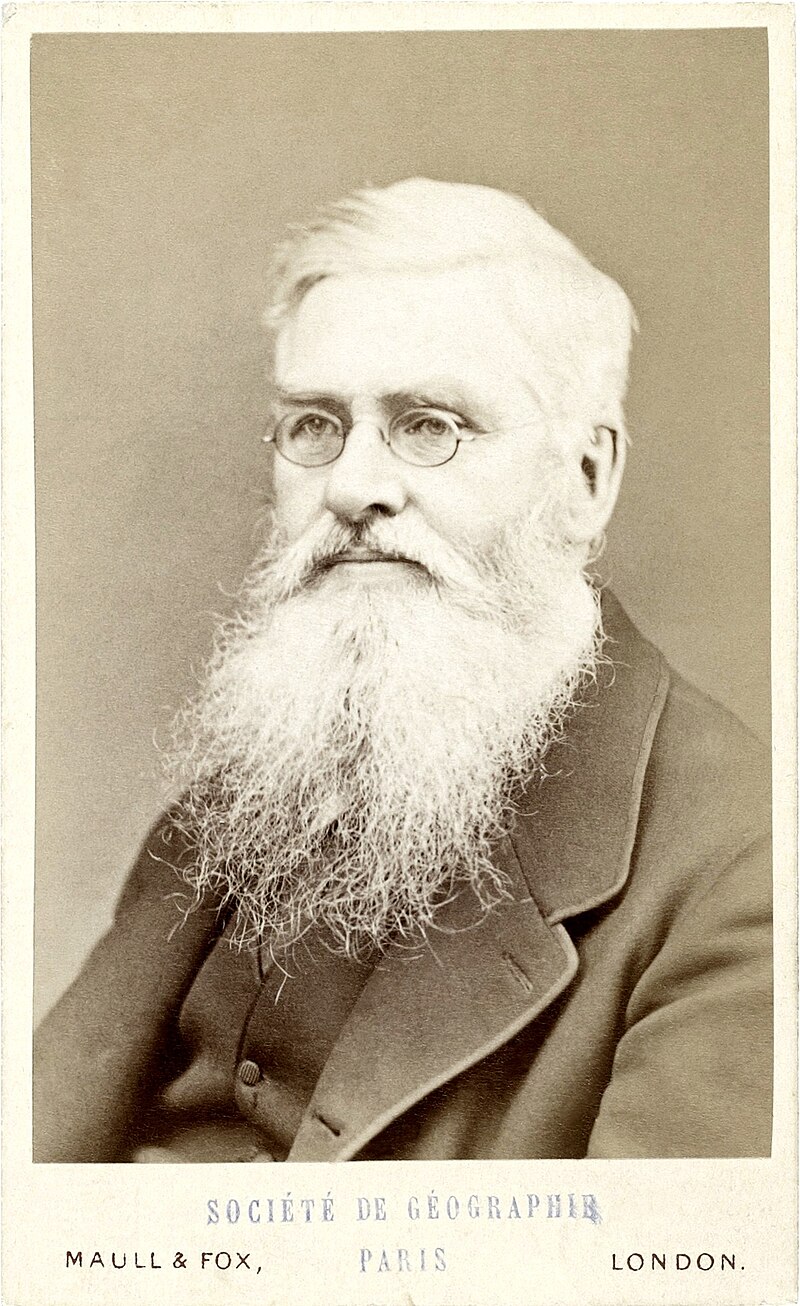

Darwin spent the next twenty years assembling evidence, conducting experiments on pigeons, barnacles, and plant breeding, and corresponding with naturalists worldwide. He was jolted into publishing when, in June 1858, he received a letter from Alfred Russel Wallace, a naturalist working in the Malay Archipelago, who had independently arrived at an almost identical theory of evolution by natural selection.2 Wallace's paper, "On the tendency of varieties to depart indefinitely from the original type," outlined the same essential logic: that hereditary variation, differential survival, and the pressure of population growth combined to produce adaptive evolutionary change.2 Papers by both Darwin and Wallace were presented jointly at the Linnean Society of London on 1 July 1858, and Darwin's On the Origin of Species was published the following year, on 24 November 1859.1, 2
The Origin presented four main arguments: that species are not fixed but mutable; that all life shares common ancestry; that evolutionary change is gradual; and that natural selection is the primary mechanism of adaptive evolution.1 The book was an immediate sensation, and by the 1870s the scientific community overwhelmingly accepted the fact of evolution — that species had descended with modification from common ancestors. The mechanism of natural selection, however, proved far more controversial and would not achieve full acceptance for another seventy years.10, 19
The eclipse of Darwinism
The period from roughly 1880 to 1920 is known as the eclipse of Darwinism, a term coined by the historian of science Julian Huxley and later explored in depth by Peter Bowler. During this era, the fact of evolution was broadly accepted, but natural selection was widely rejected or marginalized as the primary mechanism of evolutionary change.19 Several alternative theories competed for dominance.
Neo-Lamarckism enjoyed a substantial following, particularly in the United States and France. Its proponents held that organisms could direct their own evolution through the inheritance of characteristics acquired during their lifetimes, and that environmental influences could produce heritable changes directly. The American paleontologists Edward Drinker Cope and Alpheus Hyatt championed neo-Lamarckian views based on apparent trends in the fossil record.19 Orthogenesis, a related idea, proposed that evolution proceeded along predetermined, internally driven trajectories independent of natural selection — that organisms evolved in straight lines toward particular forms, sometimes even to their own detriment. The supposed overdevelopment of the Irish elk's antlers was a frequently cited (though ultimately misleading) example.10, 19
Mutationism, championed by the Dutch botanist Hugo de Vries after his rediscovery of Mendel's laws in 1900, proposed that evolution proceeded not by the gradual accumulation of small variations as Darwin had argued but by sudden, large-scale mutations that produced new species in a single step.19 To the early Mendelians, heredity appeared to be a discrete, particulate phenomenon fundamentally at odds with the continuous, blending variation that Darwin's theory seemed to require. This perceived incompatibility between Mendelism and Darwinism was the central theoretical impasse of early twentieth-century biology, and its resolution would require the mathematical tools of population genetics.10, 19
The modern evolutionary synthesis
The modern evolutionary synthesis, achieved between roughly 1918 and 1950, resolved the conflict between Mendelian genetics and Darwinian selection by demonstrating that they were not only compatible but mutually reinforcing. The synthesis was the work of many scientists across multiple disciplines, but its theoretical foundations were laid by three population geneticists: Ronald A. Fisher, J. B. S. Haldane, and Sewall Wright.
Fisher's 1930 The Genetical Theory of Natural Selection provided the first rigorous mathematical demonstration that Mendelian inheritance was fully compatible with continuous phenotypic variation and that natural selection acting on such variation could produce the adaptive evolutionary change Darwin had described.3 Fisher proved that the blending objection to Darwin — the argument that hereditary variation would be halved each generation through blending inheritance and therefore eliminated before selection could act — dissolved completely under particulate Mendelian inheritance, in which alleles are transmitted intact rather than blended. His fundamental theorem of natural selection formalized the relationship between genetic variation and the rate of adaptive change.3
Haldane's The Causes of Evolution (1932) extended this mathematical framework, calculating the rates at which natural selection could change allele frequencies in populations and demonstrating that even very weak selection could produce substantial evolutionary change over geological time.4 Sewall Wright contributed the concept of genetic drift — random fluctuations in allele frequencies in finite populations — and developed the influential adaptive landscape metaphor, in which populations were visualized as occupying peaks on a multidimensional fitness surface, with drift and selection jointly determining their evolutionary trajectories.5
The theoretical insights of Fisher, Haldane, and Wright were extended to natural populations by Theodosius Dobzhansky, whose 1937 Genetics and the Origin of Species bridged the gap between laboratory genetics and field natural history. Dobzhansky demonstrated that natural populations harboured vast amounts of genetic variation, that this variation was maintained by selection and other evolutionary forces, and that the processes of population genetics were sufficient to account for the origin of species.6 Ernst Mayr's 1942 Systematics and the Origin of Species contributed the biological species concept — defining species as groups of interbreeding populations reproductively isolated from other such groups — and developed the theory of allopatric speciation, in which geographic isolation of populations leads to the accumulation of genetic differences and eventually reproductive incompatibility.7 George Gaylord Simpson's 1944 Tempo and Mode in Evolution extended the synthesis to paleontology, demonstrating that the patterns of the fossil record — including apparent discontinuities and varying rates of change — were compatible with the population-genetic mechanisms of the synthesis rather than requiring saltationist or orthogenetic explanations.18
Key architects of the modern evolutionary synthesis3, 4, 5, 6, 7, 18
| Scientist | Key work | Year | Primary contribution |
|---|---|---|---|
| R. A. Fisher | The Genetical Theory of Natural Selection | 1930 | Mathematical proof that Mendelian genetics is compatible with continuous variation and natural selection |
| J. B. S. Haldane | The Causes of Evolution | 1932 | Calculated rates of allele frequency change under selection; showed weak selection suffices over geological time |
| S. Wright | "Evolution in Mendelian populations" | 1931 | Genetic drift, adaptive landscape model, shifting-balance theory |
| T. Dobzhansky | Genetics and the Origin of Species | 1937 | Bridged lab genetics and field naturalism; documented variation in wild populations |
| E. Mayr | Systematics and the Origin of Species | 1942 | Biological species concept; theory of allopatric speciation |
| G. G. Simpson | Tempo and Mode in Evolution | 1944 | Reconciled paleontological patterns with population genetics |
By the mid-twentieth century, the modern synthesis had established the framework that still undergirds evolutionary biology: evolution is the change in allele frequencies in populations over time; natural selection is the primary mechanism of adaptive evolution; mutation provides the raw material for variation; genetic drift is significant especially in small populations; gene flow connects populations; and speciation typically occurs through the geographic isolation of populations followed by the accumulation of reproductive barriers.6, 7, 10
The neutral theory of molecular evolution
The most significant challenge to the adaptationist emphasis of the modern synthesis came from within population genetics itself. In 1968, the Japanese geneticist Motoo Kimura proposed the neutral theory of molecular evolution, arguing that the vast majority of evolutionary changes at the molecular level — substitutions of one nucleotide for another in DNA sequences — are selectively neutral, neither advantageous nor disadvantageous, and are fixed in populations by random genetic drift rather than by natural selection.8 The following year, Jack King and Thomas Jukes independently advanced a similar argument under the provocative title "Non-Darwinian evolution."9
Kimura's neutral theory did not challenge the role of natural selection in producing adaptations; he explicitly acknowledged that adaptive traits such as the vertebrate eye or the bacterial flagellum are products of selection. Rather, the theory proposed that at the level of DNA and protein sequences, most variation within species and most evolutionary change between species is selectively neutral and governed by the stochastic process of drift.8, 24 The theory made several testable predictions, including that the rate of molecular evolution should be approximately constant over time (the molecular clock) and that functionally less constrained regions of the genome should evolve faster than functionally critical regions. Both predictions have been broadly supported by subsequent data.24
The neutral theory provoked decades of intense debate between "neutralists" and "selectionists," but the controversy ultimately enriched evolutionary biology by forcing a more rigorous quantitative framework for distinguishing selection from drift at the molecular level. Today, the neutral theory is widely accepted as the appropriate null model for molecular evolution: deviations from neutral expectations are used as evidence for the action of natural selection, and many of the statistical tests used in modern genomics are built on Kimura's mathematical framework.8, 24
Punctuated equilibria and macroevolution
In 1972, the paleontologists Niles Eldredge and Stephen Jay Gould proposed the theory of punctuated equilibria, which challenged the gradualist assumption of the modern synthesis. Drawing on patterns in the fossil record, Eldredge and Gould argued that most species, once established, remain morphologically stable for most of their existence (a pattern they termed stasis), and that significant evolutionary change is concentrated in geologically brief episodes of rapid speciation, typically associated with the geographic isolation of small peripheral populations.11
Punctuated equilibria was initially controversial, with critics arguing that it was merely allopatric speciation viewed from a geological time perspective and that the apparent pattern of stasis could reflect preservational biases in the fossil record. Gould and Eldredge, however, argued that stasis was a real biological phenomenon requiring explanation — that stabilizing selection, developmental constraints, or other mechanisms actively maintained morphological constancy within established species.11 Over time, extensive paleontological studies confirmed that stasis is indeed a common pattern in the fossil record, even if the pace and mode of speciation continue to be debated.10, 11
More broadly, the punctuated equilibria debate stimulated renewed interest in macroevolution — the study of evolutionary patterns above the species level, including trends in diversity, disparity, and complexity through geological time. Gould and others argued that macroevolutionary patterns could not be fully explained by extrapolating microevolutionary processes and that processes such as species selection (differential speciation and extinction rates among lineages) constituted a distinct level of evolutionary causation.11, 18 While the extent to which macroevolution requires its own distinct theory remains debated, the dialogue between paleontology and population genetics that punctuated equilibria provoked has been a lasting contribution to evolutionary thought.
Evolutionary developmental biology
The emergence of evolutionary developmental biology (evo-devo) in the 1980s and 1990s opened a new dimension of evolutionary thought by investigating how changes in developmental processes generate morphological diversity. The synthesis had largely treated development as a black box — acknowledging that genes influence phenotypes but saying little about the developmental mechanisms by which they do so. Evo-devo sought to fill this gap.12
A transformative discovery was the deep conservation of Hox genes and other developmental regulatory genes across vastly different animal phyla. The same families of transcription factors that pattern the anterior-posterior body axis of a fruit fly also pattern the body axis of a mouse, a finding that revealed an unexpected unity in the genetic toolkit underlying animal development.12, 13 This conservation implied that much of the morphological diversity among animal phyla arose not from the invention of new genes but from changes in the regulation of a shared set of ancient developmental genes — changes in when, where, and how much those genes are expressed during embryonic development.12
Evo-devo has illuminated how relatively simple genetic changes can produce dramatic morphological effects. Changes in cis-regulatory elements — the non-coding DNA sequences that control gene expression — can alter the spatial or temporal pattern of a developmental gene's activity, producing new structures or modifying existing ones without disrupting the gene's other essential functions.12, 13 This insight has helped explain how evolution can produce novelty while maintaining the viability of developing organisms, a problem that had puzzled biologists since Darwin's time. Evo-devo has also provided mechanistic explanations for phenomena such as developmental constraints — the observation that not all theoretically possible phenotypes are accessible to evolution because of the architecture of developmental pathways.12
The extended evolutionary synthesis
Since the early 2000s, a number of biologists have argued that the modern synthesis, while fundamentally sound, requires extension to incorporate phenomena that were underappreciated or unknown when the synthesis was formulated. This proposed extended evolutionary synthesis (EES) encompasses a cluster of concepts including developmental bias, phenotypic plasticity, niche construction, inclusive inheritance, and reciprocal causation.14, 20
Niche construction — the process by which organisms modify their own selective environments through their activities, metabolism, and choices — has been proposed as an evolutionary process in its own right, not merely a product of selection but a cause of it. Beaver dams, termite mounds, and earthworm soil modification are classic examples: by altering their environments, organisms change the selection pressures acting on themselves and on other species, potentially driving co-evolutionary dynamics that standard models do not fully capture.15 Inclusive inheritance extends the concept of heredity beyond DNA sequences to include epigenetic marks, cultural transmission, and ecological legacies that can influence the phenotypes and fitness of subsequent generations.25
The EES remains a subject of active debate. Its proponents argue that it represents a genuine conceptual expansion of evolutionary theory, one that shifts emphasis from a gene-centred, selection-focused framework to a more pluralistic view in which development, plasticity, and extra-genetic inheritance play constructive roles in evolution.14, 20 Critics counter that the phenomena highlighted by the EES are fully accommodated within the existing framework and that no fundamental revision of evolutionary theory is required. A 2014 exchange in Nature between proponents and sceptics crystallized the disagreement: Laland and colleagues argued that "the EES is not a minor extension but a different way of thinking about evolution," while Gregory Wray, Hopi Hoekstra, and others maintained that "the core tenets of the modern synthesis are robust and do not require wholesale revision."14 Regardless of how this debate resolves, it illustrates a consistent pattern in the history of evolutionary thought: the theory does not stand still but is continually refined, challenged, and enriched by new data and new ideas.
Continuity and change in evolutionary theory
The history of evolutionary thought reveals a trajectory in which a core insight — that the diversity of life is the product of descent with modification, driven primarily by natural selection acting on heritable variation — has proved remarkably durable even as the details have been repeatedly revised and expanded. Darwin's original formulation lacked a theory of heredity, a gap that Mendel's genetics would eventually fill.1, 21 The modern synthesis reconciled genetics and selection but gave little attention to development, a gap that evo-devo would later address.12 The synthesis emphasized adaptation, a gap that Kimura's neutral theory would correct for the molecular level.8 Each extension has broadened the theory without dismantling its foundations.
What has changed most profoundly is not the theory's core logic but the scale and resolution at which it operates. Darwin worked with visible morphological characters and the breeding of pigeons and domestic plants; contemporary evolutionary biology works with whole-genome sequences, developmental gene regulatory networks, epigenomic landscapes, and computational simulations of populations numbering in the billions.12, 24 The questions have expanded correspondingly, from "how do species change?" to encompass the molecular mechanisms of mutation, the developmental origins of morphological novelty, the population-genetic consequences of genome architecture, and the role of organisms as active constructors of their own selective environments.14, 20 The history of evolutionary thought is, in this sense, not a story of revolution and replacement but of progressive deepening — a body of theory that grows more powerful and more precise with each generation of evidence and ideas.10