Overview
- The end-Permian mass extinction at approximately 251.9 million years ago was the most severe biotic crisis in Earth's history, eliminating roughly 81–96 percent of marine species and around 70 percent of terrestrial vertebrate species in a catastrophe so total that entire major groups — trilobites, rugose and tabulate corals, fusulinid foraminifera — were permanently erased.
- The primary cause was the eruption of the Siberian Traps large igneous province, whose sill intrusions into organic-rich sedimentary basins released enormous quantities of CO₂, methane, and halocarbons, triggering a cascade of kill mechanisms including global warming of 8–10 °C, ocean anoxia, ocean acidification, euxinia, mercury toxicity, and ozone depletion.
- Recovery was extraordinarily protracted, requiring 5 to 10 million years for marine taxonomic diversity to rebound and even longer for complex reef ecosystems to re-establish, with the Early Triassic characterized by disaster taxa, lethally hot equatorial temperatures, and repeated environmental perturbations that stalled ecological reconstruction.
The end-Permian mass extinction, occurring approximately 251.9 million years ago at the boundary between the Permian and Triassic periods, was the most catastrophic biotic crisis in the history of complex life on Earth.1 Statistical analyses of the marine fossil record indicate that between 81 and 96 percent of all marine species perished, along with roughly 70 percent of terrestrial vertebrate species, in an event so devastating that it has been called "the Great Dying."9, 20 Entire major taxonomic groups that had dominated Palaeozoic oceans for hundreds of millions of years — trilobites, rugose and tabulate corals, fusulinid foraminifera, blastoid echinoderms — were permanently eliminated, and the ecological structure of both marine and terrestrial communities was fundamentally reorganized.9, 23 Decades of geochemical, geochronological, and palaeontological investigation have converged on a single primary cause: the eruption of the Siberian Traps large igneous province, the largest known continental flood basalt event, whose magmatic intrusions into volatile-rich sedimentary rocks released greenhouse gases and toxic compounds in quantities sufficient to drive a cascading series of environmental catastrophes across every major habitat on the planet.2, 6, 10
Scale and severity
The end-Permian extinction stands unmatched in the Phanerozoic record for both the magnitude and breadth of its biological destruction. Raup and Sepkoski's foundational 1982 analysis of marine family-level diversity identified the end-Permian as the most severe of the "Big Five" mass extinctions, exceeding the end-Cretaceous event that eliminated the non-avian dinosaurs by a substantial margin.20 Subsequent genus- and species-level analyses have refined these estimates: approximately 57 percent of marine families, 83 percent of marine genera, and 81 to 96 percent of marine species were eliminated, depending on the statistical methodology used to correct for incomplete sampling of the fossil record.9, 20
.jpg)
.jpg)
The destruction was not limited to the oceans. On land, an estimated 70 percent of terrestrial vertebrate species disappeared, including the dominant therapsid (mammal-like reptile) lineages of the Late Permian such as the gorgonopsians and most dinocephalians.23 The Glossopteris seed-fern flora that had blanketed the southern supercontinent of Gondwana was extinguished, and insects experienced one of their only known mass extinctions.10, 23 The crisis crossed every major ecological boundary: open ocean and coastal shelf, tropical reef and high-latitude seafloor, forest and desert, freshwater and marine. No biotic crisis before or since has come close to matching this scale of devastation.9
Taxonomic groups affected
The end-Permian extinction was remarkable for the permanent elimination of entire higher-level taxonomic groups that had thrived for hundreds of millions of years. Trilobites, among the most iconic Palaeozoic arthropods, made their final appearance in the latest Permian after a 300-million-year evolutionary history; by the Late Permian they had already been reduced to a few relict genera, and the extinction eliminated them entirely.23 Rugose and tabulate corals, which had been the principal reef-builders of the Palaeozoic, were completely extirpated, and reef construction did not resume on a meaningful scale for 8 to 10 million years, when entirely new groups — the scleractinian corals — assumed the reef-building role.9, 15
Fusulinid foraminifera, large and ecologically important single-celled protists that had been abundant in Permian shallow marine environments, were entirely eliminated, as were the blastoid echinoderms and several other major groups of Palaeozoic invertebrates.9, 13 Brachiopods, which had been the dominant shelled organisms on Palaeozoic seafloors, survived the extinction but were reduced to a fraction of their former diversity and never regained ecological dominance, ceding their role to bivalve molluscs in the Mesozoic and beyond.9 Crinoids (sea lilies), bryozoans, and calcareous sponges were all devastated, with some subgroups eliminated entirely and others reduced to a handful of surviving lineages.13
Knoll and colleagues identified a striking pattern in the selectivity of the extinction: organisms with passive respiratory systems and limited physiological capacity to buffer changes in dissolved CO2 and oxygen — including brachiopods, bryozoans, and many echinoderms — suffered disproportionately compared with organisms possessing active ventilation and more robust metabolic regulation, such as fish, cephalopods, and crustaceans.13 This selectivity provides direct evidence that the kill mechanisms involved hypercapnia (elevated CO2) and hypoxia (reduced oxygen) rather than, for example, a bolide impact, which would be expected to kill more indiscriminately.13
Estimated species-level extinction severity by major group9, 13, 20
The Siberian Traps large igneous province
_1_(17151514269).jpg)
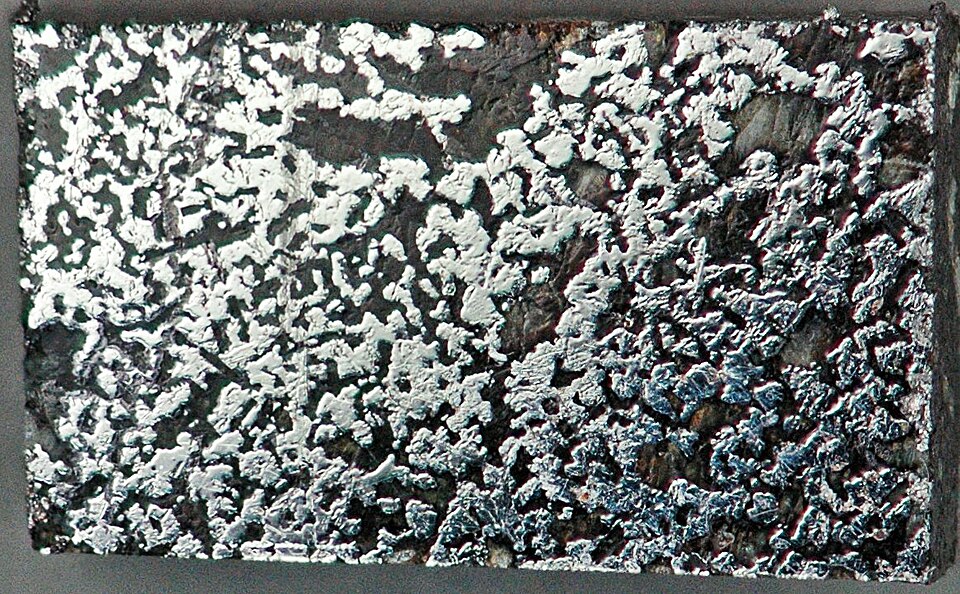
The Siberian Traps constitute the largest known continental large igneous province (LIP), covering an estimated original area of approximately 7 million square kilometres across present-day Siberia and producing a total magmatic volume of roughly 3 to 4 million cubic kilometres of basalt, tuff, and associated intrusive rocks.21 Argon-argon (40Ar/39Ar) dating by Reichow and colleagues confirmed that the bulk of Siberian volcanism occurred at approximately 250 million years ago over a period of less than 2 million years, temporally overlapping with the extinction.21 Subsequent high-precision uranium-lead (U-Pb) zircon geochronology by Burgess and Bowring demonstrated that the onset of voluminous Siberian Traps magmatism preceded the extinction by approximately 300,000 years, that the most intense eruptive phase was precisely synchronous with the extinction interval, and that volcanism persisted for at least another 500,000 years afterward.2 This temporal resolution — synchroneity established to better than 0.04 percent — places the causal connection between the Siberian Traps and the end-Permian extinction on exceptionally firm geochronological footing.2
A critical advance in understanding the lethality of the Siberian Traps came from the recognition that surface lava flows alone were insufficient to explain the scale of environmental disruption. Burgess, Muirhead, and Bowring demonstrated in 2017 that the onset of the extinction coincided with an abrupt shift in the emplacement style of the Siberian Traps, from dominantly extrusive flood lavas to laterally extensive sill intrusions emplaced into the sedimentary rocks of the Tunguska Basin.6 These sedimentary strata contained enormous quantities of organic-rich shale, coal, petroleum, limestone, and evaporites. When heated by the intruding magma, these materials underwent contact metamorphism, generating thermogenic carbon dioxide, methane, and halogenated compounds that were vented to the atmosphere through pipe-like explosive structures, some more than a kilometre in diameter.6, 8 Svensen and colleagues estimated that thermal metamorphism of organic matter in the Tunguska Basin alone could have produced more than 100,000 gigatonnes of CO2, a quantity vastly exceeding what the basaltic magma itself would have degassed.8
The global reach of the Siberian Traps emissions has been confirmed through multiple independent geochemical proxies. Nickel isotope analyses by Li and colleagues revealed anomalously light nickel isotope compositions in Permian-Triassic boundary sediments from the Panthalassic Ocean, far from Siberia, providing direct evidence for the global dispersal of nickel-rich volcanic aerosol particles derived from the Siberian Traps magmas.18 Mercury enrichment in boundary sections worldwide provides further evidence of massive volcanic emissions, as mercury is a characteristic volatile released during both magmatic degassing and the combustion of coal and organic matter by intruding sills.11
The cascade of kill mechanisms
The lethality of the end-Permian extinction arose not from any single environmental change but from a cascading series of interconnected perturbations, each amplifying the others in a chain of positive feedbacks that overwhelmed the physiological tolerances of organisms across virtually every habitat on Earth.10
Global warming. The injection of volcanic and thermogenic CO2 and methane into the atmosphere drove rapid and extreme greenhouse warming. Oxygen isotope ratios measured on conodont apatite from Chinese boundary sections document a decrease of approximately 2 per mille in δ18O, corresponding to a warming of tropical sea surface temperatures by roughly 8 to 10°C.7 Wu and colleagues reconstructed a continuous atmospheric CO2 record from carbon isotope ratios in fossil C3 plants and documented a six-fold increase in atmospheric CO2 concentrations, from approximately 426 parts per million in the latest Permian to roughly 2,507 parts per million at the peak of the extinction, within approximately 75,000 years.17 Earth system modelling by Cui and colleagues estimated a total carbon emission of approximately 36,000 gigatonnes of carbon at a rate of roughly 5 gigatonnes per year, predominantly from volcanic CO2 sources.14
Ocean anoxia and euxinia. Warmer ocean waters hold less dissolved oxygen, and the elevated temperatures simultaneously increased the metabolic oxygen demand of marine organisms, creating a lethal mismatch between oxygen supply and biological need.3 Wignall and Twitchett demonstrated that oceanic anoxia extended across both low and high palaeolatitudes and penetrated into shallow-water settings well above the storm wave base, indicating a pervasive deoxygenation of marine habitats unprecedented in the Phanerozoic.4 Penn and colleagues developed a metabolic index model demonstrating that temperature-driven hypoxia alone can account for more than half of the observed magnitude of regional marine extinction, with the model successfully reproducing the biogeographic pattern of greater extinction intensity at high latitudes and in the tropics.3 As oxygen-depleted conditions expanded, sulfate-reducing bacteria proliferated, producing toxic hydrogen sulfide (H2S) that spread from deep waters into shallow shelf environments in a condition known as euxinia.4, 10
Ocean acidification. The absorption of excess atmospheric CO2 by the oceans drove a decline in seawater pH. Clarkson and colleagues used boron isotope ratios preserved in fossil brachiopod shells as a proxy for seawater pH and documented a substantial acidification event coinciding with the onset of the mass extinction, linked to a large pulse of carbon degassing from Siberian sill intrusions.5 This acidification impaired the ability of calcifying organisms — corals, brachiopods, foraminifera, and calcareous algae — to precipitate and maintain their carbonate shells and skeletons, contributing to the near-total collapse of Permian reef ecosystems.5, 9
Ozone depletion and mercury toxicity. Halocarbons generated by the thermal metamorphism of evaporite deposits in the Tunguska Basin are hypothesized to have contributed to the destruction of stratospheric ozone, increasing the flux of damaging ultraviolet radiation to the surface.8, 22 Black and colleagues modelled the effects of combined carbon and sulfur outgassing from the Siberian Traps, demonstrating that the climate system experienced "systemic swings" between warming and cooling episodes driven by the competing radiative effects of greenhouse gases and sulfate aerosols, with ozone depletion as a further stressor.22 Concurrently, Grasby and colleagues documented massive pulses of mercury into both terrestrial and marine environments globally, with mercury concentrations in boundary sediments reaching orders of magnitude above background levels.11 In its methylated form, mercury is a potent neurotoxin with wide-ranging effects on reproduction, development, and behaviour in vertebrates and invertebrates alike.11
Evidence from the geologic record
The end-Permian extinction is recorded by a suite of distinctive geochemical and sedimentological signatures in boundary sections worldwide that collectively fingerprint the environmental catastrophe and its volcanic cause.10
The most widely recognized geochemical marker is the negative carbon isotope excursion. Both organic and inorganic carbon isotope records from marine boundary sections show a sharp negative shift in δ13C of 4 to 7 per mille, recording the injection of a massive quantity of isotopically light carbon into the ocean-atmosphere system.1, 10 High-precision geochronology at the Meishan GSSP demonstrates that this excursion occurred in two phases: a gradual decline of approximately 2 per mille over roughly 90,000 years, followed by a catastrophically rapid shift of approximately 5 per mille that lasted no more than 20,000 years and coincided with the main pulse of species losses.1 The isotopic composition of the injected carbon is consistent with a volcanic and thermogenic source, as confirmed by Cui and colleagues' Earth system modelling, which required a predominantly volcanic CO2 signature (approximately −15 per mille) to reproduce the observed excursion pattern.14 Rothman and colleagues proposed an additional amplifying mechanism: the emergence of a new acetoclastic methanogenic pathway in archaea of the genus Methanosarcina, which may have enabled the rapid microbial conversion of marine organic carbon to methane, accelerating the carbon isotope excursion beyond what volcanism alone would produce. Their analysis showed that nickel released by Siberian volcanism could have removed a key nutrient limitation on methanogenic archaea, facilitating superexponential growth of the marine inorganic carbon reservoir.19
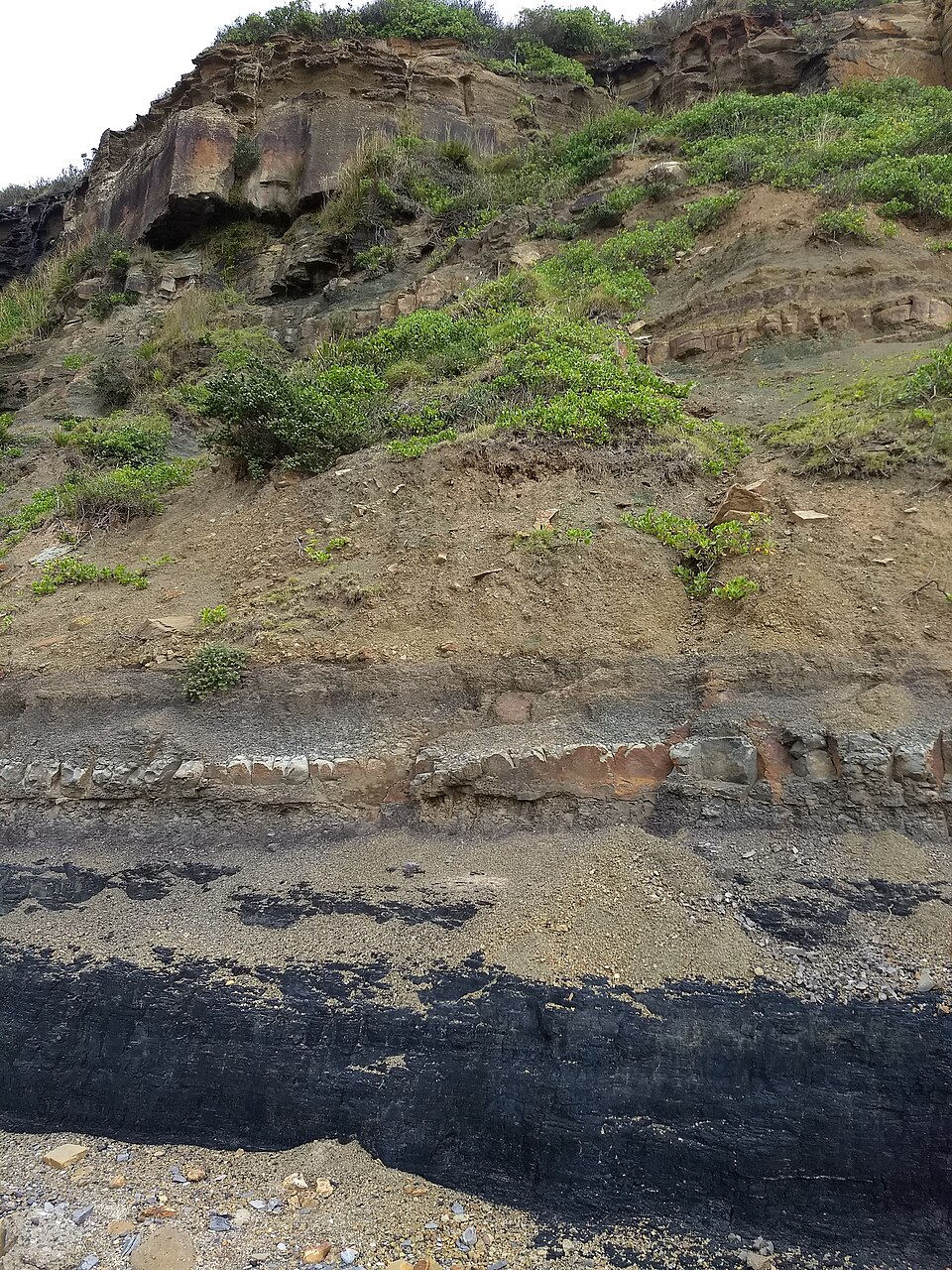

Mercury anomalies in Permian-Triassic boundary sediments have emerged as one of the most robust proxies for Siberian Traps volcanism. Grasby and colleagues documented mercury enrichment in both marine and terrestrial sections across multiple continents, with peak mercury concentrations coinciding precisely with the extinction horizon.11 Because mercury is released in large quantities during both volcanic eruptions and the combustion of organic-rich sediments by intruding magmas, these anomalies provide independent confirmation of the causal link between the Siberian Traps and the global extinction.11 Li and colleagues extended this evidence through nickel isotope analysis, showing that the lightest nickel isotope compositions ever recorded in sedimentary rocks occur at the Permian-Triassic boundary, consistent with the global dispersal of nickel-rich aerosol particles from the ultramafic Siberian Traps magmas.18
Additional evidence includes the fungal spike, an anomalous abundance of fungal spores and hyphae in latest Permian palynological assemblages, interpreted as evidence of massive terrestrial vegetation dieback and the proliferation of saprotrophic fungi feeding on decaying plant matter.23 The coal gap — a near-total absence of coal deposits in the geological record for approximately 10 million years following the boundary — records the elimination of peat-forming ecosystems worldwide.23 Boundary sections also preserve elevated charcoal abundances, indicating increased wildfire activity, and shifts in biomarker compounds consistent with the spread of photic zone euxinia (hydrogen sulfide in the sunlit upper ocean) in many marine settings.10
The pattern of the extinction
Whether the end-Permian extinction occurred as a single catastrophic pulse or as multiple discrete episodes has been a subject of sustained debate. High-precision U-Pb geochronology at the Meishan section established that the main pulse of extinction was extraordinarily rapid, occurring within fewer than 61,000 years and possibly much less.1 This brevity suggests a sudden environmental threshold was crossed, overwhelming organisms across all major habitats within geological instants.
However, Song and colleagues analysed the stratigraphic ranges of 537 species across seven Chinese sections spanning a 450,000-year interval around the boundary and identified evidence for two distinct pulses of extinction separated by a brief recovery interval of approximately 180,000 years.12 The first pulse, in the latest Permian, eliminated approximately 57 percent of species, preferentially removing planktonic groups and some benthic organisms including fusulinid foraminifera, rugose corals, and calcareous algae. The second pulse, in the earliest Triassic, removed additional groups and was associated with different environmental perturbations, including the most intense phase of ocean anoxia.12 This two-pulse model has been supported by subsequent studies documenting distinct carbon isotope anomalies and environmental perturbations associated with each phase.10
Dal Corso and colleagues synthesized the available evidence in a 2022 review and proposed that the initial extrusive and pyroclastic phase of Siberian Traps volcanism coincided with a widespread crisis of terrestrial biota and increased stress on marine species, while the subsequent shift to sill-dominated intrusive magmatism triggered the most catastrophic marine kill mechanisms.10 Notably, the terrestrial ecological disturbance appears to have begun 60,000 to 370,000 years before the marine extinction peak, suggesting that terrestrial and marine ecosystems had different response times to the volcanic perturbations.10 The emerging consensus is that the extinction was multi-pulsed at the finest temporal resolution, but overwhelmingly concentrated in a narrow interval of geological time — at most a few hundred thousand years — consistent with its volcanic driver.1, 10, 12
Comparison with other mass extinctions
The end-Permian extinction dwarfs the other members of the "Big Five" mass extinctions in both absolute and proportional species loss. The end-Cretaceous extinction 66 million years ago, caused by the Chicxulub asteroid impact, eliminated approximately 76 percent of species — devastating by any measure, but substantially less severe than the 81 to 96 percent loss at the Permian-Triassic boundary.9, 20 The Late Ordovician, Late Devonian, and end-Triassic extinctions, while each significant, ranged from approximately 60 to 75 percent species loss and affected narrower ranges of ecological guilds.20
The end-Permian extinction is also distinguished by the mechanism of its primary driver. While the end-Cretaceous event was caused by an extraterrestrial impact, the end-Permian, end-Triassic, and Late Devonian extinctions are all associated with large igneous province volcanism, suggesting that volcanic greenhouse forcing is the most common cause of mass extinction in Earth's history.9, 10 The end-Permian stands as the most extreme example of this pattern, in which the sheer volume of the Siberian Traps and the unfortunate circumstance that its magmas intruded through volatile-rich sedimentary basins created an environmental catastrophe of a magnitude not repeated at any other LIP event.6, 8
The recovery interval following the end-Permian extinction was also uniquely protracted. Most mass extinctions are followed by ecological recovery within 1 to 3 million years, but the end-Permian recovery required 5 to 10 million years for taxonomic diversity and considerably longer for the reconstruction of complex ecosystems.15 This prolonged recovery distinguishes the end-Permian from even the end-Cretaceous, after which mammalian and marine communities diversified relatively rapidly in the Paleocene.15, 24
The prolonged recovery
The aftermath of the end-Permian extinction was characterised by an unprecedentedly long and unstable recovery period that extended through the entire Early Triassic and into the Middle Triassic, a span of approximately 5 to 10 million years.15 Chen and Benton's comprehensive review identified the Early Triassic as a period of repeated environmental perturbations — including continued warming episodes, renewed anoxic events, and further carbon cycle disturbances — that repeatedly set back the recovery process and prevented the establishment of stable, diverse ecosystems.15
The Early Triassic biosphere was dominated by disaster taxa, opportunistic species that proliferated in the ecological vacuum left by the extinction. On land, the dicynodont Lystrosaurus, a pig-sized therapsid herbivore, became so overwhelmingly abundant that it constituted as much as 90 percent of terrestrial vertebrate individuals in some faunas, an ecological dominance by a single genus unmatched at any other time in the history of land vertebrates.15, 23 In the oceans, thin-shelled bivalves and opportunistic brachiopods colonised the depauperate seafloor.9
Sun and colleagues demonstrated that the Early Triassic greenhouse was so extreme that equatorial sea surface temperatures may have reached approximately 40°C, with land surface temperatures in the tropics potentially exceeding 50°C.16 These lethally hot conditions created an equatorial "dead zone" during thermal maxima, explaining the near-absence of marine vertebrates and calcareous organisms in equatorial sections and the prevalence of the Lilliput effect, in which surviving invertebrate species were dramatically reduced in body size.16 Atmospheric CO2 concentrations remained elevated for approximately 5 million years following the extinction, sustained by continued Siberian Traps volcanism and the collapse of terrestrial carbon sinks including forests and peatlands.17
Song and colleagues demonstrated that the taxonomic and ecological dimensions of recovery were fundamentally decoupled. While generic diversity began to rebound within approximately 5 million years, the reconstruction of complex marine ecosystems — with diverse trophic structures, abundant reef frameworks, and pre-extinction levels of ecological specialisation — lagged far behind, remaining incomplete well into the Late Triassic.24 Reef ecosystems were among the slowest to recover: the complex metazoan reefs of the Late Permian did not reappear until the Anisian stage of the Middle Triassic, approximately 8 to 9 million years after the extinction, and the new reef-builders were entirely different organisms — scleractinian corals rather than the rugose and tabulate corals of the Palaeozoic.9, 15 On land, the coal gap persisted for roughly 10 million years, indicating the failure of peat-forming wetland ecosystems to re-establish.23
Relevance to modern climate change
Payne and Clapham drew attention to the parallels between the end-Permian event and contemporary global change, noting that the same fundamental mechanism — the rapid release of greenhouse gases driving warming, ocean deoxygenation, and acidification — is at work in the modern oceans.9 The end-Permian extinction was driven by a carbon emission of approximately 36,000 gigatonnes of carbon at an estimated rate of roughly 5 gigatonnes per year, as modelled by Cui and colleagues.14 Current anthropogenic carbon emissions are approximately 10 gigatonnes of carbon per year, a rate that actually exceeds the estimated volcanic emission rate during the end-Permian crisis, although the cumulative total released thus far remains orders of magnitude smaller.9, 14
The geological record from the Permian-Triassic boundary demonstrates unambiguously that sustained, large-scale injection of CO2 into the atmosphere produces ocean warming, deoxygenation, acidification, and mass extinction, and that the recovery from such perturbations requires millions of years.3, 9, 15 Penn and colleagues noted that the metabolic stress mechanisms that drove end-Permian marine extinctions — temperature-dependent hypoxia reducing aerobic habitat — are the same mechanisms already operating in today's warming oceans, where expanding oxygen minimum zones and marine heat waves are beginning to compress the habitable ranges of temperature-sensitive species.3 Whether the end-Permian serves as a direct predictive analogue for the future depends on the trajectory of anthropogenic emissions, but its testimony is clear: rapid perturbation of the carbon cycle at global scale is the most dangerous threat to the continuity of complex life that the geological record has revealed.3, 9
References
High-precision geochronology confirms voluminous magmatism before, during, and after Earth's most severe extinction
Temperature-dependent hypoxia explains biogeography and severity of end-Permian marine mass extinction
Initial pulse of Siberian Traps sills as the trigger of the end-Permian mass extinction
End-Permian mass extinction in the oceans: an ancient analog for the twenty-first century?
Massive and rapid predominantly volcanic CO₂ emission during the end-Permian mass extinction
Nickel isotopes link Siberian Traps aerosol particles to the end-Permian mass extinction
The timing and extent of the eruption of the Siberian Traps large igneous province: implications for the end-Permian environmental crisis
Systemic swings in end-Permian climate from Siberian Traps carbon and sulfur outgassing