Overview
- Domestication is a coevolutionary process in which humans selectively bred wild species over millennia, producing heritable genetic changes in morphology and behaviour that distinguish domesticates from their wild ancestors, beginning with dogs approximately 15,000 years ago and plants in the Fertile Crescent around 11,500 years ago.
- Plant and animal domestication arose independently in at least a dozen centres worldwide, including the Fertile Crescent, China, Mesoamerica, the Andes, sub-Saharan Africa, and New Guinea, each giving rise to regionally distinct agricultural traditions built around locally available wild progenitors.
- The consequences of domestication transformed human societies irreversibly, enabling sedentism, population growth, food surplus, social stratification, and epidemic disease, while also reshaping the genomes of both domesticates and humans through niche construction and gene-culture coevolution, as exemplified by the independent evolution of lactase persistence in Europe and Africa.
Domestication is the process by which human societies transformed wild plants and animals into dependent organisms whose life cycles, morphology, and behaviour are shaped by sustained, multigenerational selective pressures imposed by humans. Unlike taming, which involves the habituation of an individual wild animal to human contact within a single lifetime, domestication produces heritable genetic changes that accumulate across generations and eventually render the domesticated population biologically distinct from its wild progenitor.4, 8 The domestication of plants and animals ranks among the most consequential developments in human history. Beginning with the dog roughly 15,000 years ago and extending to the major cereal crops of the Fertile Crescent around 11,500 years ago, domestication set in motion a cascade of demographic, ecological, and social transformations that reshaped virtually every aspect of human existence, from diet and settlement patterns to disease ecology and political organisation.2, 4
The transition from foraging to food production did not occur as a single event or in a single place. Archaeological, archaeobotanical, and genetic evidence now demonstrates that plants and animals were independently domesticated in at least a dozen regions across the globe, each drawing upon locally available wild species and following distinct trajectories and timescales.1, 2, 4 Understanding how and why domestication occurred, how rapidly domestication traits became fixed, and what consequences followed for both the domesticated organisms and the human societies that depended upon them remains one of the central questions in anthropology, archaeology, genetics, and evolutionary biology.25
The Fertile Crescent and founder crops
The earliest and best-documented centre of plant domestication lies in the Fertile Crescent, the arc of relatively well-watered territory stretching from the Jordan Valley through southeastern Turkey and down through the Tigris and Euphrates watersheds into present-day Iraq. By approximately 11,500 to 10,500 years before the present, communities across this region were cultivating a suite of species now known as the Neolithic founder crops: emmer wheat (Triticum dicoccum), einkorn wheat (Triticum monococcum), barley (Hordeum vulgare), lentil (Lens culinaris), pea (Pisum sativum), chickpea (Cicer arietinum), bitter vetch (Vicia ervilia), and flax (Linum usitatissimum).1, 15 This combination of cereals, pulses, and a fibre crop provided a nutritionally complementary package that could support permanent sedentary settlements and, over time, expanding populations.
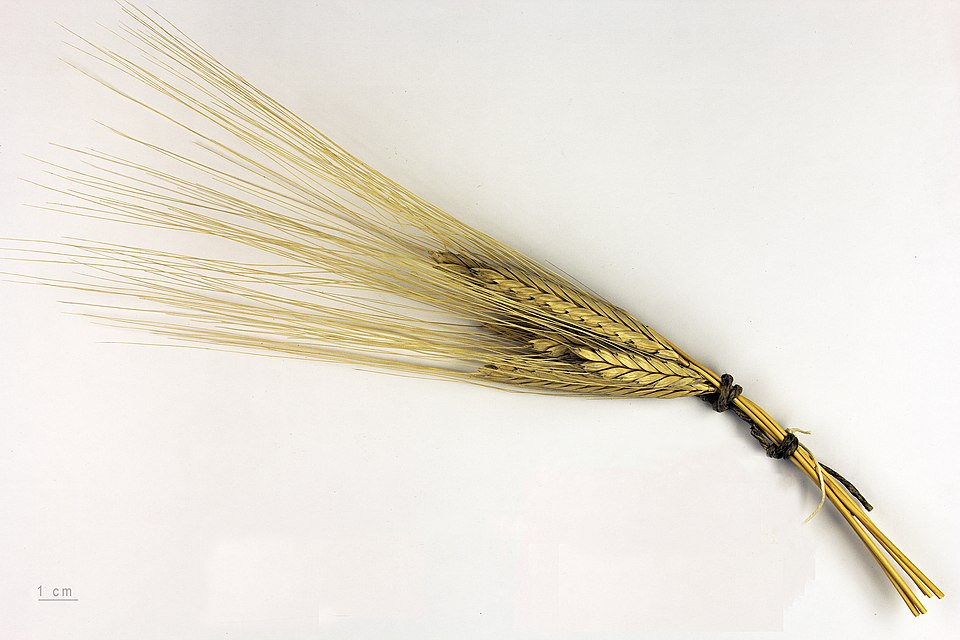

Archaeological sites across the Fertile Crescent have illuminated the protracted nature of this transition. At Abu Hureyra in northern Syria, excavations revealed evidence of cereal cultivation extending back to the late Pleistocene, with large-scale cereal processing installations dating to the tenth millennium cal BC, a period when the morphological hallmarks of domestication had not yet fully appeared in the grain assemblages.21 The site of Tell Aswad near Damascus has yielded some of the earliest evidence for emmer wheat cultivation in the southern Levant, while Çatalhöyük in central Anatolia preserves one of the richest records of early farming lifeways, including evidence for cereal storage and processing on a community scale.1 These findings demonstrate that cultivation — the deliberate planting and tending of wild-type plants — preceded the appearance of fully domesticated morphotypes by centuries or even millennia, a protracted process that Melinda Zeder has characterised as a gradual, diffuse transition rather than a rapid revolutionary event.1, 15
The Fertile Crescent was not a single, homogeneous zone of domestication. Genetic and archaeobotanical evidence indicates that different founder crops were domesticated in different parts of the region, with einkorn wheat originating in southeastern Turkey, emmer wheat in the southern Levant, and barley showing evidence of multiple independent domestication events across the crescent.1, 3 This polycentric pattern challenges the older model of a single core area from which all Near Eastern agriculture radiated, and instead supports a picture of parallel, loosely connected experiments in plant management across a broad geographical range.1
Independent centres of domestication
The recognition that domestication occurred independently in multiple regions of the world has its intellectual roots in the work of the Russian botanist and geneticist Nikolai Vavilov, who in the early twentieth century identified several geographically discrete centres of origin for cultivated plants based on the distribution of genetic diversity among crop varieties. Vavilov reasoned that the region harbouring the greatest diversity of forms of a given crop was likely the area where that crop was first domesticated, because the longer a species had been cultivated in a particular place, the more genetic variants would have accumulated there.10 Although subsequent research has refined and in some cases relocated Vavilov's centres, his fundamental insight — that agriculture was invented independently in many parts of the world rather than diffusing from a single origin — has been abundantly confirmed by modern archaeology and genetics.2, 4
In China, the middle and lower Yangtze River valley was the primary centre for rice (Oryza sativa) domestication, with archaeobotanical evidence indicating that the transition from wild to domesticated rice was underway by approximately 9,000 to 8,000 years ago, though as in the Fertile Crescent, the process was protracted and full morphological domestication was not achieved for several thousand years.17, 3 Northern China independently gave rise to the cultivation of foxtail millet (Setaria italica) and broomcorn millet (Panicum miliaceum), as well as the domestication of pigs and soybeans.17
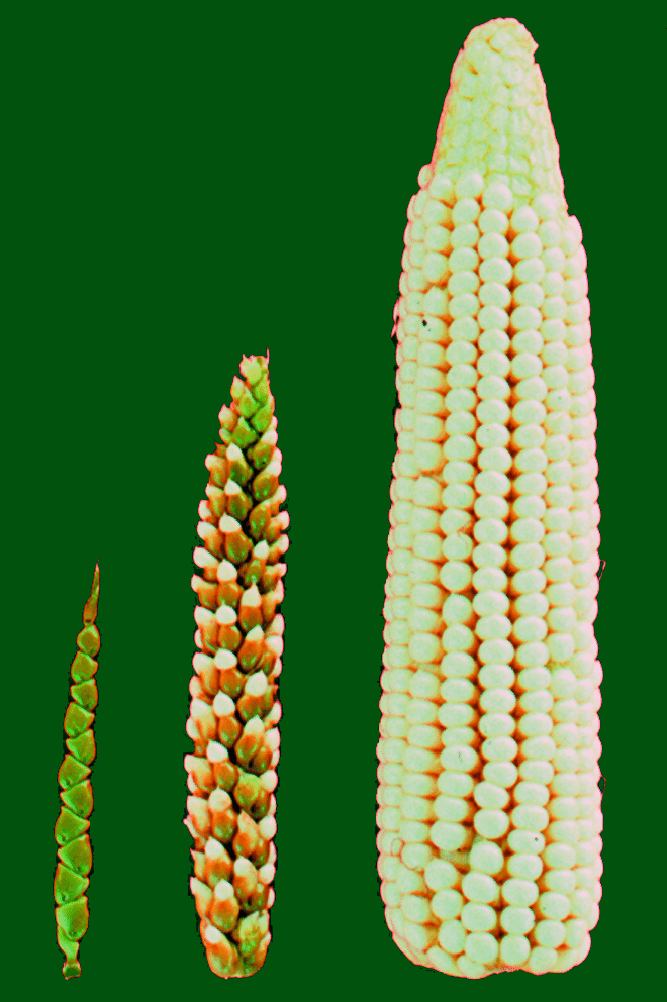
In Mesoamerica, the transformation of teosinte (Zea mays subsp. parviglumis) into maize represents one of the most dramatic morphological transformations in the history of domestication. Starch grain and phytolith evidence from the Central Balsas River Valley in southwestern Mexico places the earliest known maize at approximately 8,700 calendar years before the present.11

Squash (Cucurbita pepo) and common beans (Phaseolus vulgaris) were domesticated independently in the same broad region, eventually forming the complementary triad of crops that sustained pre-Columbian civilisations across the Americas.2
The Andes and adjacent lowlands of South America constituted another major centre, yielding the potato (Solanum tuberosum), quinoa (Chenopodium quinoa), and the only large domesticated mammals of the Americas: the llama and alpaca, domesticated from wild guanacos and vicuñas roughly 6,000 to 5,000 years ago, along with the guinea pig (Cavia porcellus).2, 4 In sub-Saharan Africa, sorghum (Sorghum bicolor), pearl millet (Pennisetum glaucum), cowpea (Vigna unguiculata), and African rice (Oryza glaberrima) were domesticated independently, primarily in the Sahel and West African savanna zones.2, 3 In the highlands of New Guinea, excavations at Kuk Swamp have demonstrated that plant exploitation and some cultivation of taro (Colocasia esculenta) and bananas (Musa spp.) was underway by approximately 10,000 years ago, with organised mound cultivation established by around 7,000 years ago, representing one of the oldest independent agricultural traditions in the world.12
Domestication syndrome in plants
The repeated, parallel evolution of a suite of shared morphological and physiological traits across independently domesticated plant species is one of the most striking patterns in the biology of domestication. This constellation of changes, collectively termed the domestication syndrome, typically includes the loss of natural seed dispersal mechanisms, an increase in seed or fruit size, a reduction or loss of seed dormancy, more determinate growth, reduced branching, and more synchronous flowering and fruit ripening.5, 6 Each of these changes can be understood as a response to the selective pressures imposed by human cultivation practices: plants that retained their seeds rather than shattering them were preferentially harvested, those with larger seeds produced more vigorous seedlings in tilled plots, and those that germinated promptly and ripened uniformly were favoured in managed fields.5
The loss of seed shattering — the tendency of wild grasses to disperse their seeds by breaking apart the rachis, the central axis of the seed head — is perhaps the single most diagnostic marker of cereal domestication. In wild wheat and barley, the rachis is brittle, and individual spikelets detach and fall to the ground at maturity, ensuring natural dispersal. In domesticated forms, the rachis is tough, and the seeds remain attached to the stalk until they are threshed by the harvester. Archaeobotanical studies have used the proportion of tough versus brittle rachis fragments in archaeological grain assemblages to track the gradual fixation of non-shattering types over time, revealing that this transition took considerably longer than early models assumed — on the order of 2,000 to 3,000 years in Near Eastern cereals, rather than a few centuries of unconscious selection.3, 5
The molecular genetic basis of domestication traits has been investigated in greatest detail in maize, where the transformation from teosinte to modern corn involved changes in plant architecture, seed structure, and reproductive biology so profound that the wild progenitor was not conclusively identified until the late twentieth century. A key locus in this transformation is teosinte branched1 (tb1), a transcription factor gene that suppresses lateral branching and promotes the development of a single dominant stem with a large terminal ear. In 2011, researchers identified a transposable element (a Hopscotch retrotransposon) inserted upstream of tb1 in domesticated maize that acts as an enhancer, increasing the gene's expression relative to the teosinte allele and thereby contributing to the dramatic reduction in branching that distinguishes maize from its wild ancestor.13 Similar studies have identified key domestication genes in rice (such as sh4, controlling seed shattering) and wheat, revealing that a relatively small number of large-effect genetic changes, supplemented by many small-effect loci, underlie the major phenotypic shifts of the domestication syndrome.6, 5
Comparative archaeobotanical analyses have demonstrated that domestication rates varied substantially among crops and regions. Dorian Fuller's work on Old World crops showed that initial increases in grain size appeared relatively rapidly, within perhaps 500 to 1,000 years of the onset of cultivation, whereas the fixation of non-shattering rachis morphology was considerably slower, requiring an additional 1,000 to 2,000 years.3 In some crops, such as pearl millet in West Africa, the domestication process appears to have proceeded even more gradually, with wild-type and domesticated-type morphologies coexisting in archaeobotanical assemblages for extended periods.3 These findings have contributed to a revised understanding of domestication as a protracted process operating over millennia rather than a rapid, revolutionary event, a conclusion reinforced by Purugganan and Fuller's synthesis demonstrating that the rate at which selection fixed key domestication alleles was orders of magnitude slower than what would be predicted under strong directional selection, suggesting that much early selection was unconscious rather than intentional.5
Animal domestication
The domestication of animals followed distinct pathways depending on the ecology, behaviour, and social organisation of the wild progenitor species. Melinda Zeder has identified three principal routes to animal domestication: the commensal pathway, in which wild animals adapted to human-modified environments and gradually became incorporated into human society (exemplified by dogs, cats, and chickens); the prey pathway, in which humans transitioned from hunting a wild species to managing and eventually controlling its reproduction (exemplified by sheep, goats, and cattle); and the directed pathway, in which humans intentionally captured and bred wild animals for specific purposes (exemplified by horses and donkeys).16
The dog (Canis lupus familiaris) is the oldest known domesticate. Genome sequencing of modern dogs and wolves, together with analysis of ancient DNA from archaeological specimens, places the divergence of dogs from wolves at approximately 11,000 to 16,000 years ago, well before the advent of agriculture.22, 19 The geographic origin of dog domestication remains debated, with competing hypotheses favouring Central Asia, East Asia, the Near East, or Europe, and some genetic models suggesting that dogs may have been domesticated more than once from different wolf populations.19, 18 What is clear is that dogs were domesticated from grey wolves via the commensal pathway: wolves that were less fearful of humans and better able to exploit the food resources found around human encampments gained a selective advantage, and over time, human and canid societies became increasingly intertwined.16, 19
The major livestock species of the Near East — sheep (Ovis aries), goats (Capra hircus), cattle (Bos taurus), and pigs (Sus scrofa domesticus) — were domesticated between approximately 11,000 and 10,000 years ago, roughly contemporaneous with or slightly later than the domestication of the founder crops. Sheep and goats, domesticated in the Zagros Mountains and adjacent highlands of the Fertile Crescent, were the earliest livestock, as evidenced by shifts in the age and sex profiles of faunal assemblages at archaeological sites: the selective culling of young males while retaining breeding females is a signature of managed herds rather than hunted wild populations.8, 15 Cattle were domesticated from the now-extinct aurochs (Bos primigenius), a large and formidable wild bovid, in at least two independent events: one in the Near East yielding taurine cattle, and another in the Indian subcontinent yielding zebu cattle (Bos indicus).18, 8 Pigs were domesticated independently in both the Near East and China from local wild boar populations, and ancient DNA studies have revealed complex histories of admixture between domestic pigs and wild boar in multiple regions.18
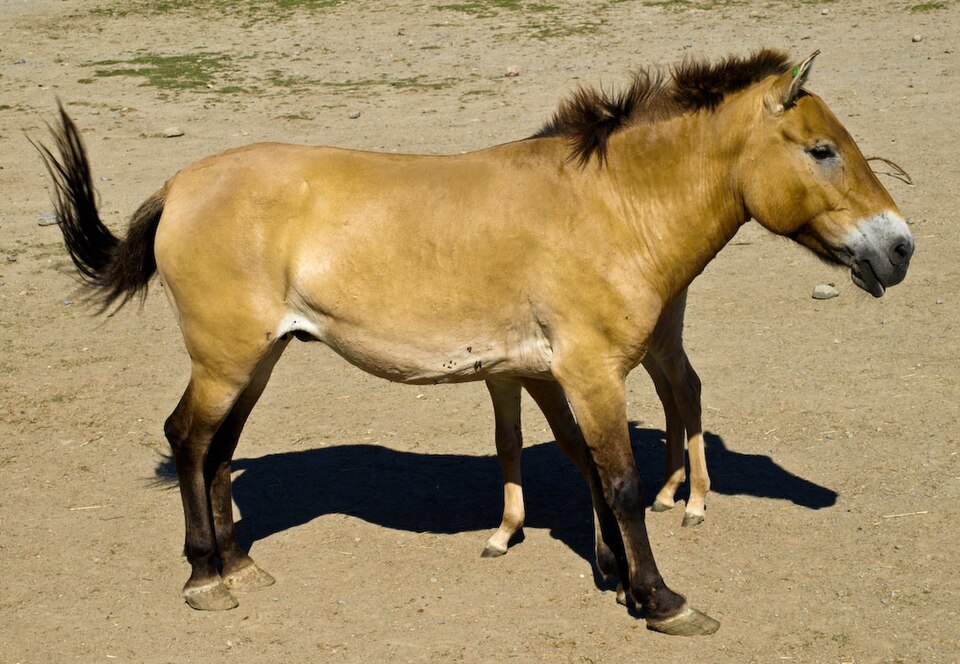
The domestication of the horse (Equus caballus) occurred considerably later, approximately 5,500 years ago in the Pontic-Caspian steppe region of Central Asia. Research at the Botai culture sites in Kazakhstan has provided the earliest evidence for horse management, including changes in metacarpal morphology consistent with domestic rather than wild horses, pathological features on premolars consistent with bit wear from bridling, and lipid residues in ceramic vessels indicating the processing of mare's milk.9 The domestication of the horse transformed human mobility, warfare, and long-distance trade, and horses subsequently spread across Eurasia with profound consequences for the societies that adopted them.2, 9
.jpg)
The chicken (Gallus gallus domesticus) was domesticated from the red junglefowl (Gallus gallus), specifically the subspecies G. g. spadiceus, in peninsular Southeast Asia. A comprehensive zooarchaeological and radiocarbon study by Peters and colleagues in 2022 demonstrated that the earliest unambiguous evidence for domestic chickens dates to approximately 1650–1250 BC in central Thailand, considerably more recent than previously claimed dates from China and South Asia that have not withstood rigorous re-examination.23 The study found that the expansion of rice farming into the range of the red junglefowl was the critical catalyst: cereal cultivation and grain storage attracted wild junglefowl into human settlements via the commensal pathway, initiating a domestication process that would eventually produce the world's most abundant domesticated bird. From Southeast Asia, chickens spread westward through South Asia and the Near East, reaching the Mediterranean by the first millennium BC.23
The silver fox experiment and domestication syndrome
Much of what is understood about the biological mechanisms underlying animal domestication derives from a remarkable long-term experiment initiated in 1959 by the Soviet geneticist Dmitri Belyaev at the Institute of Cytology and Genetics in Novosibirsk, Siberia. Belyaev hypothesised that the suite of morphological and physiological changes that distinguish domesticated animals from their wild ancestors — including floppy ears, curly tails, piebald coat colouration, shortened snouts, reduced brain size, and paedomorphic (juvenile-like) features — was not the result of intentional selection for each trait individually but rather an indirect consequence of selection for a single behavioural characteristic: reduced fear and aggression toward humans, or tameness.7
To test this hypothesis, Belyaev and his colleague Lyudmila Trut began selectively breeding silver foxes (Vulpes vulpes) from a commercial fur farm, choosing in each generation only those individuals that showed the least fear and aggression when approached by a human handler. No selection was applied to any physical trait. Within just a few generations, the foxes selected for tameness began to display behavioural changes: they whimpered to attract human attention, wagged their tails, and licked the hands and faces of handlers. By the tenth generation, a subset of the selected foxes exhibited the full range of domestication syndrome traits: floppy ears, curly tails, shortened and widened skulls, piebald or depigmented coat patterns, and alterations in reproductive timing, including earlier sexual maturity and the ability to breed out of the normal seasonal cycle.7
The results of the fox experiment demonstrated that selection for tameness alone could produce the constellation of morphological changes collectively known as the domestication syndrome, strongly supporting the hypothesis that these traits are pleiotropic consequences of changes in the developmental regulation of the neural crest — a population of embryonic cells that migrates throughout the developing body and contributes to the formation of pigment cells, craniofacial cartilage and bone, adrenal glands, and portions of the nervous system.7, 4 Disruptions in neural crest cell migration or proliferation caused by selection for reduced reactivity could plausibly account for the co-occurrence of depigmentation, craniofacial shortening, adrenal hypofunction (and hence reduced stress hormones), and altered ear cartilage that characterises so many domesticated species.4, 7
Genetic and archaeological evidence
The study of domestication has been revolutionised over the past two decades by the application of ancient DNA analysis, high-throughput genome sequencing, and increasingly sophisticated archaeobotanical and zooarchaeological methods. Ancient DNA extracted from archaeological plant remains, animal bones, and preserved seeds has made it possible to trace the genetic trajectories of domestication with a temporal resolution that was previously impossible, revealing the timing, geography, and population dynamics of the process in unprecedented detail.18, 4
A key genomic signature of domestication is the selective sweep, a region of the genome in which strong positive selection on a favourable allele has dragged nearby linked variants to high frequency, producing a localised reduction in genetic diversity. Genome-wide scans for selective sweeps in domesticated species have identified dozens of genomic regions that bear the signature of selection during domestication, and many of these regions contain genes controlling the very traits that define the domestication syndrome — seed shattering, grain size, plant architecture, coat colour, tameness, and body size.6, 5 More broadly, domesticated species consistently exhibit lower overall genetic diversity than their wild progenitors, a pattern attributed to the domestication bottleneck: the severe reduction in effective population size that results from founding a domesticated lineage from a small subset of the wild population, compounded by the continued erosion of diversity through sustained directional selection on key traits.18, 6 Purugganan and Fuller's 2009 analysis of selection coefficients in crop plants demonstrated that the strength of selection during domestication was surprisingly weak by population-genetic standards, on the order of 10−3 to 10−2 per generation, consistent with the protracted timescales documented in the archaeobotanical record and suggesting that much of the initial selection was unconscious — an incidental by-product of cultivation practices rather than deliberate human intent.5
In animals, ancient DNA studies have demonstrated that domestication histories were frequently more complex than simple linear models of a single domestication event followed by gradual divergence from the wild ancestor. The domestication of pigs, for example, involved independent domestication from wild boar in both the Near East and China, followed by extensive introgression (gene flow) between domestic pigs and local wild boar populations as domestic pigs were transported into new regions, partially erasing the genetic signatures of the original domestication events.18 Similarly, ancient DNA from cattle has confirmed the dual domestication of taurine and zebu lineages and revealed substantial gene flow between them in regions where the two types came into contact, such as the Indian subcontinent and East Africa.18, 4
Archaeobotanical methods have provided complementary lines of evidence for plant domestication. The morphological analysis of charred seeds and grain recovered from archaeological deposits — including measurements of seed dimensions, the identification of rachis fragility types, and the characterisation of spikelet morphology — allows researchers to track the gradual appearance of domestication syndrome traits in crop assemblages over time.3, 5 Phytolith analysis, the study of microscopic silica bodies produced by plant cells that preserve in soils long after organic matter has decayed, provides evidence of crop processing and plant use even at sites where macrobotanical remains are scarce. Starch grain analysis, in which residual starch granules are extracted from the surfaces of grinding stones and ceramic vessels, has extended the record of crop use into regions and time periods where conventional archaeobotanical evidence is unavailable, as in the early identification of maize processing in Mesoamerica.11
Zooarchaeological evidence for animal domestication relies on a combination of approaches. Changes in the age and sex profiles of faunal assemblages — for example, a shift toward the selective slaughter of young males while retaining older females — indicate herd management rather than opportunistic hunting. Morphological changes in skeletal elements, such as reductions in body size and alterations in horn core morphology, provide direct evidence of domestication. Stable isotope analysis of animal bones and teeth can reveal changes in diet and mobility associated with captive management, while lipid residue analysis of ceramics has demonstrated the processing of animal products, including milk, at surprisingly early dates.8, 9
Unconscious versus intentional selection
A central question in domestication research is whether the earliest stages of the process were driven by deliberate human intent — a conscious recognition that certain individuals were more desirable and should be preferentially propagated — or by unconscious selection, in which the routine practices of cultivation and animal management inadvertently favoured certain genotypes over others without any explicit human design.25 The distinction, first articulated by Charles Darwin, has profound implications for understanding the pace, directionality, and predictability of early domestication.
The archaeobotanical evidence strongly supports a major role for unconscious selection in the earliest phases of plant domestication. The protracted timescales over which key domestication traits such as non-shattering rachis morphology became fixed in Near Eastern cereals — on the order of two to three millennia — are inconsistent with strong, deliberate selection, which would have produced fixation far more rapidly.3, 5 Instead, the data suggest that early cultivators harvested fields of predominantly wild-type plants using methods (such as sickle harvesting of standing crops) that slightly favoured the retention of non-shattering variants in each generation, producing a slow, cumulative shift in allele frequencies that the cultivators themselves may not have perceived.5, 25 Similarly, the commensal pathway to animal domestication, in which species such as the dog and chicken were initially drawn to human settlements by the availability of food scraps or stored grain, involved no deliberate human decision to domesticate; the process was initiated by the animals themselves and shaped by natural selection in the human-modified environment before any intentional breeding began.16, 23
Intentional selection became increasingly important in later phases of domestication, as human societies began to recognise the heritability of desirable traits and to practise deliberate selective breeding. The directed pathway to domestication, exemplified by the horse, represents a mode in which human intent was paramount from the outset: horses were captured and bred specifically for riding, traction, and transport, and the selective pressures imposed were both conscious and intense.16 Zeder has argued that the distinction between unconscious and intentional selection is best understood not as a dichotomy but as a continuum, with most domestication events involving an initial phase dominated by unconscious or weakly conscious selection followed by a transition to progressively more deliberate management and breeding as human understanding of the process deepened.25
Consequences for human societies
The domestication of plants and animals set in motion a series of profound and largely irreversible transformations in human societies. The most immediate consequence was the transition to sedentism: communities that invested labour in planting, tending, and harvesting crops were compelled to remain in one location for extended periods, and the ability to store surplus grain provided a buffer against seasonal food shortages that further incentivised permanent settlement.2, 15 Sedentism, in turn, enabled higher rates of population growth, because reduced mobility eliminated many of the constraints on birth spacing that characterise mobile foraging societies. The resulting demographic expansion drove the spread of farming populations into territories previously occupied by hunter-gatherers, a process documented genetically across Europe, South and East Asia, and sub-Saharan Africa.2, 20
The capacity to produce and store food surpluses created the economic preconditions for social stratification and political centralisation. When a community's food production exceeds its immediate consumption needs, the surplus can be appropriated, redistributed, or controlled by emerging elites, enabling the development of non-food-producing specialist classes — artisans, priests, administrators, soldiers — and the hierarchical social structures that characterise complex societies.2 The ecological consequences of domestication were equally far-reaching: the clearing of land for agriculture, the introduction of domesticated species into new environments, and the transformation of landscapes through grazing, irrigation, and soil management collectively represented the most extensive human modification of the biosphere prior to the industrial age.20
Close and sustained contact between humans and domesticated animals also created the conditions for the emergence and spread of epidemic infectious diseases. Many of the most devastating human pathogens — including measles, tuberculosis, smallpox, and influenza — are believed to have originated as zoonotic transfers from domesticated livestock or their close relatives, facilitated by the density of human and animal populations living in close quarters in early agricultural settlements.2 The epidemiological consequences of this proximity between humans and their domesticates would prove catastrophic when agricultural populations, carrying diseases to which they had developed partial immunity, came into contact with previously unexposed populations, as occurred during the European colonisation of the Americas.2
Domestication also drove genetic changes in human populations through the process of gene-culture coevolution, in which cultural practices create novel selective pressures that shape human biology. The most thoroughly documented example is the evolution of lactase persistence — the ability to digest the milk sugar lactose into adulthood — in populations with long histories of dairying. In most mammals, including most humans, the gene encoding the enzyme lactase is downregulated after weaning, and adults lose the ability to digest fresh milk efficiently. However, in populations of European and African pastoralists that have practised dairying for thousands of years, mutations that maintain lactase expression into adulthood have been strongly selected for, rising to high frequency in as little as 5,000 to 10,000 years. Notably, the specific mutations conferring lactase persistence differ between European and African populations, demonstrating that this trait evolved convergently in response to the same cultural practice — milk consumption — operating as a selective pressure in independent populations.14
Niche construction and human-species mutualism
An influential theoretical framework for understanding domestication draws on the concept of niche construction, the process by which organisms modify their own selective environments and thereby alter the evolutionary pressures acting on themselves and on other species sharing those environments. As articulated by Bruce Smith, domestication can be understood as a particularly powerful form of human niche construction in which the deliberate and inadvertent modification of landscapes, soils, water regimes, and species assemblages created novel ecological niches that favoured the survival and reproduction of certain plant and animal populations — populations that in turn reshaped the selective environment experienced by the humans who managed them.24
From this perspective, domestication was not a one-directional process in which humans simply imposed their will on passive organisms. Rather, it was a coevolutionary mutualism in which both humans and their target species were transformed. The plants and animals that entered into domesticatory relationships gained reliable access to tended soils, irrigation, protection from competitors and predators, and assisted dispersal far beyond their natural ranges, while humans gained dependable food supplies, fibre, traction, transport, and companionship.24, 20 Over time, both parties became increasingly dependent on the relationship: domesticated cereals lost the ability to self-disperse and became reproductively reliant on human harvesting and replanting, while human populations grew to densities that could no longer be sustained by foraging alone, locking agricultural societies into a commitment to food production from which there was no practical return.2, 25
The niche construction framework also helps explain why domestication arose independently in so many different regions. Wherever human populations engaged in intensive management of their local environments — through burning, weeding, transplanting, selective harvesting, or the control of animal movements — they were constructing niches that favoured the emergence of domesticatory relationships with locally available species.24, 20 The ecological consequences of millennia of human niche construction have been staggering in their cumulative scope: by the present day, domesticated species and the landscapes created to sustain them dominate the terrestrial biosphere, with cropland and pasture covering approximately 38 percent of Earth's ice-free land surface, and the biomass of domestic livestock exceeding that of all wild terrestrial mammals combined by an order of magnitude.20
Major domesticated species and their origins
Major domesticated plants and animals, their wild ancestors, approximate dates of domestication, and geographic origins2, 4, 8, 15, 23
| Species | Wild ancestor | Date (years BP) | Region |
|---|---|---|---|
| Dog (Canis lupus familiaris) | Grey wolf (Canis lupus) | ~15,000–11,000 | Eurasia (debated) |
| Emmer wheat (Triticum dicoccum) | Wild emmer (T. dicoccoides) | ~11,500–10,500 | Fertile Crescent |
| Einkorn wheat (Triticum monococcum) | Wild einkorn (T. boeoticum) | ~11,000–10,000 | Southeastern Turkey |
| Barley (Hordeum vulgare) | Wild barley (H. spontaneum) | ~11,000–10,000 | Fertile Crescent |
| Sheep (Ovis aries) | Asiatic mouflon (O. orientalis) | ~11,000–10,000 | Zagros Mountains |
| Goat (Capra hircus) | Bezoar ibex (C. aegagrus) | ~11,000–10,000 | Zagros Mountains |
| Pig (Sus domesticus) | Wild boar (Sus scrofa) | ~10,500 | Near East & China (independent) |
| Cattle (Bos taurus) | Aurochs (Bos primigenius) | ~10,500–10,000 | Near East & South Asia (independent) |
| Rice (Oryza sativa) | Wild rice (O. rufipogon) | ~9,000–8,000 | Yangtze River valley, China |
| Maize (Zea mays) | Teosinte (Z. mays subsp. parviglumis) | ~8,700 | Central Balsas Valley, Mexico |
| Foxtail millet (Setaria italica) | Green foxtail (S. viridis) | ~8,000 | Northern China |
| Taro (Colocasia esculenta) | Wild taro | ~10,000–7,000 | New Guinea highlands |
| Potato (Solanum tuberosum) | Wild potato (S. brevicaule complex) | ~8,000–5,000 | Andean highlands |
| Llama (Lama glama) | Guanaco (Lama guanicoe) | ~6,000–5,000 | Central Andes |
| Horse (Equus caballus) | Wild horse (Equus ferus) | ~5,500 | Pontic-Caspian steppe |
| Sorghum (Sorghum bicolor) | Wild sorghum (S. arundinaceum) | ~5,000–4,000 | Sahel, sub-Saharan Africa |
| Chicken (Gallus gallus domesticus) | Red junglefowl (G. g. spadiceus) | ~3,600–3,250 | Central Thailand, Southeast Asia |
The table illustrates the remarkable chronological and geographic breadth of the domestication process. The earliest domesticate, the dog, predates agriculture by several millennia and arose from a commensal relationship between wolves and mobile hunter-gatherer bands. The major crop and livestock species of the Fertile Crescent were domesticated within a relatively narrow window around 11,500 to 10,000 years ago, while domesticates from other centres followed on diverse timescales, from rice in China around 9,000 years ago to chickens in Southeast Asia around 3,500 years ago.2, 4, 23 The independent domestication of pigs in both the Near East and China, and of cattle in the Near East and South Asia, underscores the point that domestication was not a unique event but a convergent process that unfolded wherever the right combination of ecological, demographic, and cultural conditions was present.18, 8
References
Contrasting patterns in crop domestication and domestication rates: recent archaeobotanical insights from the Old World
The origins of animal domestication and husbandry: a major change in the history of humanity and the biosphere
Starch grain and phytolith evidence for early ninth millennium B.P. maize from the Central Balsas River Valley, Mexico
Identification of a functional transposon insertion in the maize domestication gene tb1
Domestication and early agriculture in the Mediterranean Basin: origins, diffusion, and impact
Ecological consequences of human niche construction: examining long-term anthropogenic shaping of global species distributions
Large-scale cereal processing before domestication during the tenth millennium cal BC in northern Syria