Overview
- Adaptive radiation is the rapid diversification of a single ancestral lineage into multiple species that occupy distinct ecological niches, driven by ecological opportunity, key evolutionary innovations, and the interplay of natural and sexual selection.
- Classic examples include Darwin's finches in the Galapagos, cichlid fishes in the East African Great Lakes, Hawaiian honeycreepers, and the explosive mammalian diversification that followed the end-Cretaceous mass extinction 66 million years ago.
- The tempo of adaptive radiation is characteristically rapid early and decelerating later as niches fill, a pattern formalized by George Gaylord Simpson's concept of quantum evolution and confirmed by modern phylogenetic comparative methods across diverse clades.
Adaptive radiation is the rapid evolutionary diversification of a single ancestral lineage into an array of descendant species, each adapted to exploit a distinct ecological niche. It is one of the most dramatic patterns in the history of life, responsible for generating much of the morphological and ecological diversity observed across the tree of life. The concept was formalized by George Gaylord Simpson in his landmark 1944 work Tempo and Mode in Evolution, where he described bursts of rapid diversification that he termed "quantum evolution," and it was further developed by Dolph Schluter, who established a rigorous ecological framework for understanding how natural selection in heterogeneous environments drives divergence among populations.1, 2 Adaptive radiations are recognized across virtually every major group of organisms, from plants and insects to fishes, reptiles, birds, and mammals, and they provide some of the most compelling evidence for the power of natural selection to generate new species and new forms.
Definition and criteria
An adaptive radiation is defined by four features: common ancestry of the diversifying lineage, a correlation between phenotypic traits and the environments in which species occur, the functional utility of those traits in their respective environments, and rapid speciation relative to other clades.1, 3 The requirement of common ancestry distinguishes adaptive radiation from convergent evolution, in which unrelated lineages independently evolve similar solutions to similar ecological problems. The requirement that trait divergence be functionally linked to environmental variation distinguishes it from non-adaptive diversification driven solely by genetic drift or sexual selection without ecological correlates.
Schluter's ecological theory of adaptive radiation emphasizes that divergent natural selection is the primary engine of the process: populations colonizing different environments experience different selective pressures, and selection drives the evolution of traits that improve performance in each environment.1 Competition for resources plays a central role. When two populations overlap in resource use, competition favours individuals that exploit underutilized resources, pushing the populations toward phenotypic divergence in a process called ecological character displacement. Over time, this divergence can lead to reproductive isolation and speciation, particularly when ecological differences reduce gene flow between diverging populations.1, 20
Ecological opportunity
The trigger for most adaptive radiations is ecological opportunity — the availability of resources or habitats that are unexploited or underexploited by competing species. Ecological opportunity arises through several mechanisms: the colonization of a new, competitor-free environment such as an oceanic island or lake; the extinction of competitors that previously occupied ecological niches; or the evolution of a key innovation that allows the lineage to interact with the environment in a fundamentally new way.3, 4
Island colonization is perhaps the most straightforward source of ecological opportunity. When a lineage arrives on an island or archipelago that lacks the competitors and predators found on the mainland, it encounters a wealth of vacant niches. The absence of competitors relaxes stabilizing selection and permits populations to explore new ecological strategies, leading to divergence.4 Darwin's finches in the Galapagos, Hawaiian honeycreepers, and Caribbean anole lizards all represent adaptive radiations initiated by the colonization of island environments.5, 10, 21
Mass extinction events create ecological opportunity on a global scale. The end-Cretaceous asteroid impact approximately 66 million years ago eliminated the non-avian dinosaurs and many other terrestrial and marine groups, vacating ecological niches across every continent and ocean basin.13 The subsequent radiation of placental mammals into the niches formerly occupied by dinosaurs and other Mesozoic groups produced the extraordinary diversity of mammalian body plans observed today, from bats to whales to primates.11, 12
Key innovations
A key innovation is an evolutionary novelty that allows a lineage to interact with the environment in a fundamentally new way, opening access to previously unavailable resources or habitats and thereby triggering diversification. Key innovations do not directly cause speciation; rather, they create the ecological opportunity that makes radiation possible.16
The evolution of the pharyngeal jaw apparatus in cichlid fishes provides one of the best-documented examples. Most teleost fishes possess a single set of jaws for capturing and processing food. Cichlids possess a functionally decoupled second set of jaws in the pharynx — the pharyngeal jaws — that handle food processing, freeing the oral jaws for specialization in prey capture. This decoupling has permitted cichlids to evolve an extraordinary range of feeding morphologies, from algae scrapers to mollusk crushers to fish predators, and is widely regarded as a key factor in the explosive diversification of cichlids in the African Great Lakes.8
Other proposed key innovations include the evolution of flight in bats and birds, which opened access to aerial niches; the evolution of the angiosperm flower, which enabled coevolutionary relationships with animal pollinators; and the evolution of antifreeze glycoproteins in Antarctic notothenioid fishes, which permitted radiation into freezing polar waters after competitors were eliminated by cooling temperatures.16 The identification of key innovations is necessarily retrospective and can be difficult to test rigorously, but comparative phylogenetic analyses that demonstrate elevated diversification rates in clades possessing the innovation relative to sister clades lacking it provide the strongest evidence.16
Classic examples
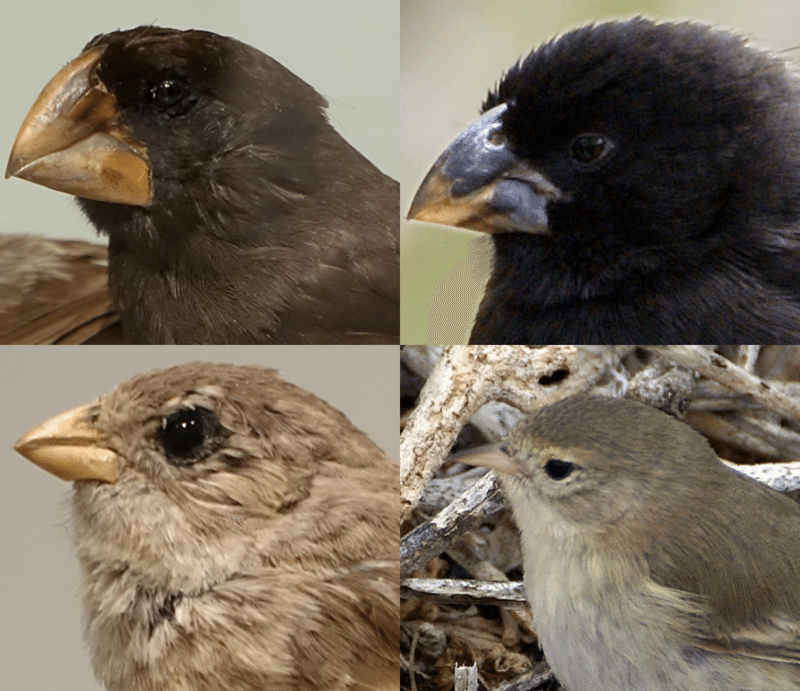
Darwin's finches. The approximately eighteen species of finches on the Galapagos Islands, first collected by Darwin during the voyage of the Beagle in 1835, remain the most iconic example of adaptive radiation.5 All descended from a single South American ancestor that colonized the archipelago between two and three million years ago. The species differ most conspicuously in beak size and shape, which reflect adaptations to different food sources: large-beaked ground finches crack hard seeds, small-beaked species feed on small seeds and insects, and the woodpecker finch uses cactus spines as tools to extract insect larvae from bark. Peter and Rosemary Grant's long-term field studies on the island of Daphne Major have documented natural selection acting on beak morphology in real time, demonstrating measurable shifts in beak depth in response to drought-induced changes in seed availability.19 Biomechanical analyses have confirmed that beak morphology is functionally linked to bite force and feeding performance, satisfying the criterion that trait divergence be ecologically relevant.6

African cichlid fishes. The cichlid fishes of Lakes Victoria, Malawi, and Tanganyika in East Africa constitute the most species-rich adaptive radiation in vertebrates. Lake Malawi alone harbours an estimated 800 to 1,000 species, nearly all of which evolved within the lake from a small number of founding lineages. Lake Victoria's approximately 500 species diversified in fewer than 15,000 years, representing one of the fastest known rates of speciation in any vertebrate group.7, 8 Cichlid species differ in body shape, jaw morphology, coloration, feeding ecology, and habitat use. Genomic analyses have revealed that the ancestral cichlid lineage possessed extensive standing genetic variation, and that hybridization among early lineages may have combined genetic modules from different ancestors, providing the raw material for rapid phenotypic diversification.8, 22
Hawaiian honeycreepers. The Hawaiian honeycreepers (Drepanidinae) represent one of the most dramatic avian adaptive radiations. Molecular phylogenetic analyses indicate that all honeycreeper species descended from a single cardueline finch ancestor that colonized the Hawaiian Islands approximately 7.2 million years ago.10 The radiation produced at least 56 known species (of which roughly 18 survive today) spanning an extraordinary range of bill morphologies and feeding ecologies: short, thick bills for seed cracking; long, curved bills for probing flowers for nectar; and parrot-like bills for extracting seeds from woody fruits. The radiation illustrates both the power of ecological opportunity on remote islands and the vulnerability of island radiations to extinction through habitat loss and introduced predators and diseases.10
Mammals after the K-Pg extinction. The extinction of non-avian dinosaurs at the Cretaceous-Paleogene boundary 66 million years ago removed the dominant large-bodied terrestrial vertebrates and opened ecological niches on a planetary scale.13 Molecular phylogenetic reconstructions suggest that many modern placental mammal orders originated close to the K-Pg boundary, with an explosive burst of lineage diversification in the first 10 to 15 million years of the Paleogene.11, 12 Within this interval, mammals evolved body sizes spanning five orders of magnitude, from tiny shrews to whale-sized marine forms, and colonized virtually every terrestrial, aerial, aquatic, and subterranean habitat. The mammalian radiation after the K-Pg event is the largest-scale example of adaptive radiation driven by mass extinction and the ecological vacuum it created.
The role of sexual selection
While natural selection driven by ecological divergence is the primary engine of adaptive radiation, sexual selection can accelerate the process by promoting rapid divergence in mating signals and preferences between populations. When populations occupy different environments and experience different ecological pressures, the traits favoured by mate choice may also diverge, creating a positive feedback loop between ecological and sexual divergence.17
The role of sexual selection is particularly well documented in African cichlid fishes, where male nuptial coloration is both a target of female mate choice and highly divergent among closely related species. In Lake Victoria, closely related cichlid species often differ primarily in male colour pattern, and experimental studies have shown that female preference for conspecific male colour is a major barrier to hybridization. When this barrier breaks down — for example, under turbid water conditions that obscure colour differences — species boundaries collapse and hybridization increases, demonstrating that sexual selection on colour is maintaining species boundaries.22
Comparative analyses across birds have found that lineages in which sexual selection is strong, as measured by sexual dichromatism, show faster rates of signal divergence among populations than lineages with weak sexual selection.17 However, whether sexual selection consistently accelerates speciation rates across broad taxonomic scales remains debated. Some studies find a positive relationship between sexual selection intensity and species richness, while others find no significant association, suggesting that the effect of sexual selection on diversification may depend on ecological context and the specific traits under selection.17
Tempo and pattern
A defining characteristic of adaptive radiation is its temporal signature: rapid early diversification followed by a progressive deceleration as available niches are filled. Simpson described this pattern as "quantum evolution" — bursts of rapid change associated with the invasion of new adaptive zones, followed by slower, more gradual modification within established niches.2 Modern phylogenetic comparative methods have formalized this expectation as the early burst model of trait evolution, in which the rate of phenotypic divergence is highest near the base of a radiation and declines over time as ecological space is saturated.15
Empirical tests of the early burst model have produced mixed results. Harmon and colleagues surveyed a large dataset of body size and shape evolution across many animal and plant clades and found that statistically significant early bursts were rare in comparative data, with most clades better fit by models of constant-rate or gradually varying evolutionary rates.15 However, this finding does not necessarily contradict the adaptive radiation model. Diversity-dependent models, in which speciation rates decline and extinction rates increase as species accumulate, can produce the decelerating diversification pattern expected under niche filling without necessarily leaving a detectable early burst signature in trait data, particularly when extinction erases the record of early lineages.14
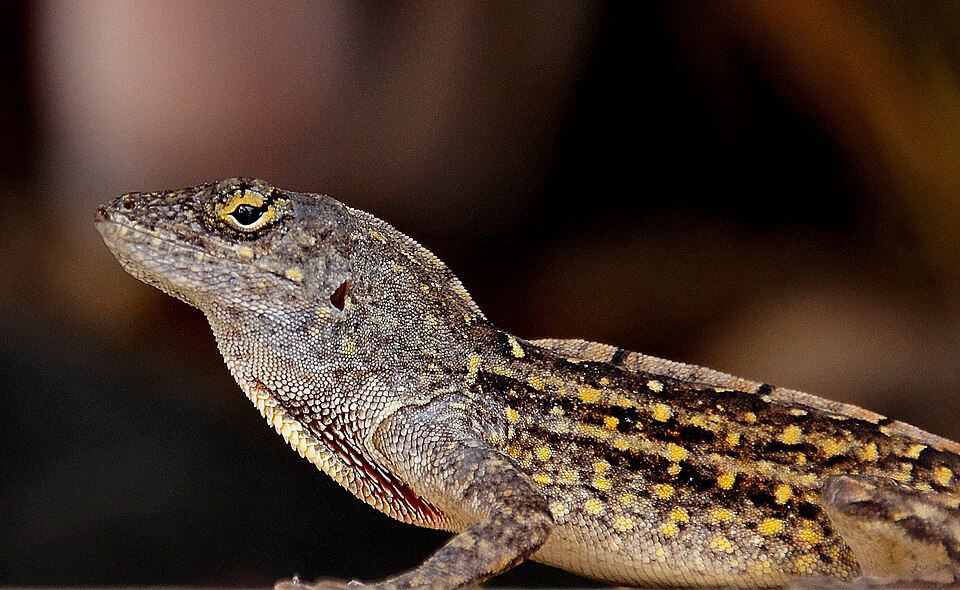
Studies of specific well-characterized radiations have provided stronger support for the early burst pattern. In Himalayan songbirds, Price and colleagues demonstrated that speciation rates declined as species diversity increased, consistent with ecological limits on diversification imposed by niche filling.23 In Caribbean anole lizards, the initial divergence of ecomorphs — trunk-crown, trunk-ground, twig, and grass-bush specialists — occurred early in the radiation and was followed by slower, within-ecomorph diversification, a pattern consistent with rapid early ecological divergence followed by fine-tuning within established niches.18, 21
Approximate species counts in selected adaptive radiations8, 10, 11, 21
Determinism and convergence
One of the most striking findings from the study of adaptive radiations is the degree to which independent radiations converge on the same set of ecological forms. Caribbean anole lizards provide the most celebrated example. On each of the four large islands of the Greater Antilles — Cuba, Hispaniola, Jamaica, and Puerto Rico — anoles have independently evolved the same set of ecomorphs: trunk-crown species with large toepads and long tails for life in the upper canopy, trunk-ground species with long hindlimbs for running and jumping on broad surfaces near the ground, twig specialists with short limbs and small bodies for moving along narrow perches, and grass-bush species with elongate bodies for navigating dense vegetation.18, 21 The repeated evolution of the same ecomorphs on separate islands indicates that the radiation is not idiosyncratic but instead reflects deterministic ecological and functional constraints that channel evolution along similar trajectories.
_(10919784583).jpg)
Similar patterns of convergence have been documented in cichlid radiations across different African lakes and in other groups. The convergence suggests that while the details of any given radiation are influenced by historical contingency — the particular mutations that arise, the order in which environments are colonized, the vagaries of dispersal and extinction — the broad outlines of adaptive radiation are predictable from the ecological structure of the environment.3, 18
The role of hybridization and genomic architecture
Recent genomic studies have revealed that hybridization can play a constructive role in adaptive radiation, challenging the traditional view that hybridization is solely a homogenizing force that blurs species boundaries. Seehausen proposed that hybridization between divergent lineages at the onset of a radiation can generate novel combinations of alleles, providing a burst of genetic variation upon which selection can act — a process termed hybrid swarm theory.22 In the East African cichlid radiations, genomic evidence indicates that early hybridization between lineages originating from different river systems brought together alleles for different ecologically relevant traits, and that subsequent selection sorted these alleles into new species-specific combinations.8, 22
_-_B%C3%A6rum,_Norway_2021-07-21.jpg)
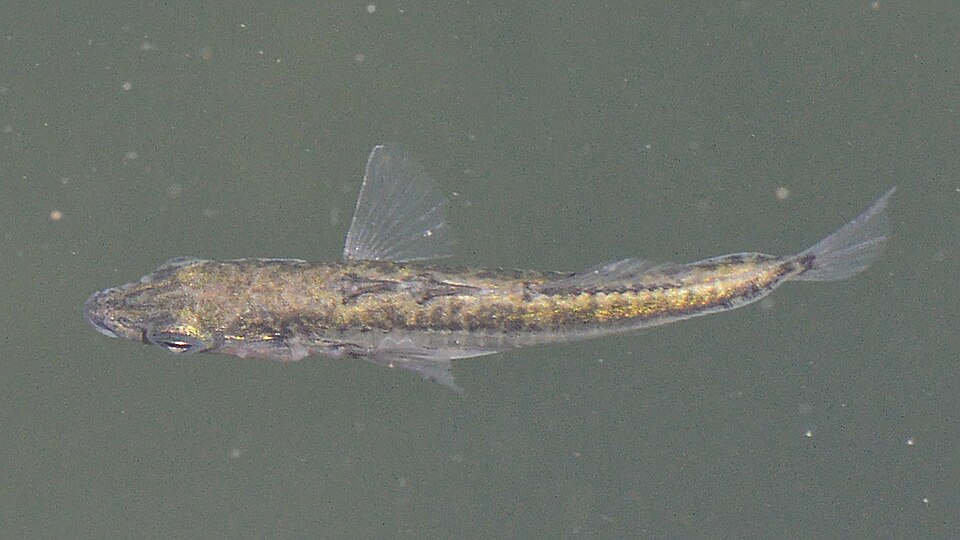
The genomic architecture of adaptively radiating lineages may also predispose them to rapid diversification. Comparative genomic analyses of cichlids have identified extensive gene duplications, accelerated protein evolution in genes related to vision and coloration, and cis-regulatory variation linked to morphological differences among species.8 In threespine stickleback fish, repeated adaptation to freshwater environments from marine ancestors has involved the recurrent use of the same genomic regions, demonstrating that standing genetic variation in ancestral populations can be redeployed during independent radiations into similar environments.9 These findings suggest that the capacity for adaptive radiation is not solely a function of ecological opportunity but also depends on the genomic toolkit available to the radiating lineage.
Adaptive radiation and speciation
Adaptive radiation and speciation are intimately connected. Each new species in a radiation arises through the evolution of reproductive isolation between diverging populations, and the ecological divergence that defines adaptive radiation can itself promote reproductive isolation through multiple mechanisms.1 Populations adapting to different habitats may become geographically separated (allopatric speciation), or ecological specialization may reduce gene flow between sympatric populations by causing assortative mating based on ecologically relevant traits. In the latter case, natural selection against ecologically intermediate hybrids — which perform poorly in either parental habitat — can reinforce premating barriers in a process called reinforcement.1, 20
The Nicaraguan crater lake cichlid Amphilophus provides evidence that ecological divergence can drive speciation even in the absence of geographical barriers. Within the small, isolated Crater Lake Apoyo, two cichlid species have diverged in body shape, jaw morphology, and diet, with the benthic species possessing a deeper body and more robust pharyngeal jaws for crushing snails, and the limnetic species possessing a more streamlined body for open-water planktivory. Genetic analyses confirm that this divergence occurred within the lake, constituting one of the most convincing cases of sympatric speciation driven by ecological adaptation.7
The rate at which adaptive radiation produces new species is not constant. Diversification rates tend to be highest at the onset of the radiation, when ecological opportunity is greatest, and decline as niches fill and competition intensifies among the accumulating species. This diversity-dependent pattern has been documented in numerous radiations and is consistent with ecological models in which the carrying capacity of the environment imposes an upper limit on the number of species that can coexist.14, 23 The tempo of adaptive radiation thus reflects the interplay between ecological opportunity, which promotes rapid diversification, and ecological saturation, which constrains it.
References
Diversity-dependence brings molecular phylogenies closer to agreement with the fossil record