Overview
- Full ecosystem recovery after mass extinctions typically requires 5 to 10 million years, with the most severe events such as the end-Permian extinction demanding 8 to 9 million years before stable, complex ecological communities re-emerged.
- Recovery proceeds through distinct phases dominated first by disaster taxa and opportunistic survivors, then by adaptive radiation as surviving lineages diversify to fill ecological space vacated by extinct groups, a pattern exemplified by the explosive diversification of mammals and birds after the end-Cretaceous event.
- Survivorship during mass extinctions is governed by rules fundamentally different from those operating during background times, with broad geographic range at the clade level emerging as the most consistent predictor of survival, while traits such as competitive dominance and ecological specialization that confer advantage under normal conditions offer little protection.
The aftermath of a mass extinction is among the most consequential intervals in the history of life. When a catastrophic event eliminates a large fraction of species in geologically brief time, the surviving biota inherits a world of emptied ecological space, destabilized food webs, and disrupted biogeochemical cycles. The pattern by which life recovers from such devastation — how quickly, in what sequence, and through which evolutionary mechanisms — reveals fundamental principles about the resilience and reorganization of ecosystems. Douglas Erwin's landmark review of biotic recoveries demonstrated that the process is far more complex than a simple refilling of vacated niches: mass extinctions cause a collapse of ecological structure that must be rebuilt from the ground up, often producing biological communities radically different from those that existed before.1 Recovery timescales vary from roughly 2 million years for the least severe events to 8 or 9 million years for the most devastating, and the trajectory of recovery is shaped by the severity of the extinction, the persistence of environmental stress, and the ecological characteristics of surviving lineages.1, 2
Understanding recovery is inseparable from understanding extinction itself. The traits that predict which lineages survive, the ecological opportunities that open when dominant groups disappear, and the feedback between environmental recovery and biological diversification together determine whether the post-extinction world will resemble the one that preceded it or chart an entirely new evolutionary course. The history of life's five major mass extinctions provides a rich natural laboratory for testing ecological and evolutionary theory under the most extreme conditions the biosphere has experienced.3, 5
Phases of recovery
Biotic recovery after mass extinction does not proceed as a smooth, monotonic increase in diversity. Paleontologists recognize a series of distinct phases, each characterized by different ecological dynamics and evolutionary processes. The immediate post-extinction interval is termed the survival phase, during which diversity is at its nadir and ecosystems are dominated by a small number of opportunistic, ecologically generalist species called disaster taxa. These organisms proliferate in the absence of competitors and predators, often achieving extraordinarily high relative abundances that would be impossible under normal ecological conditions.1, 3
The survival phase gives way to a recovery phase, during which origination rates begin to exceed extinction rates and taxonomic diversity increases. This phase is not a simple linear ascent but often proceeds in fits and starts, interrupted by secondary extinction pulses driven by continued environmental instability. In the aftermath of the end-Permian extinction, for example, repeated perturbations to the global carbon cycle persisted for at least 5 million years into the Early Triassic, and each perturbation was associated with renewed biotic crises that delayed the establishment of stable ecosystems.8 The recovery phase culminates in the re-establishment of complex ecological communities with diverse trophic structures, a milestone that Chen and Benton placed at the beginning of the Middle Triassic for the end-Permian event, approximately 8 to 9 million years after the crisis.2
A crucial distinction exists between taxonomic recovery (the return to pre-extinction levels of species richness) and ecological recovery (the re-establishment of the functional diversity, food web complexity, and ecosystem processes that characterize a mature biota). Taxonomic diversity can rebound relatively quickly through the proliferation of closely related, ecologically similar species, but the rebuilding of functional ecological roles — apex predators, specialized herbivores, reef-building organisms, and the myriad other components of complex ecosystems — takes considerably longer.7, 13 Sahney and Benton demonstrated that after the end-Permian extinction, global tetrapod diversity appeared to recover within a few million years at the clade level, but individual ecological communities did not recover their numerical abundance or ecological complexity until much later, enduring boom-and-bust cycles for up to 8 million years.7
Disaster taxa and opportunistic survivors
The survival phase of recovery is defined by the temporary dominance of a small number of organisms that capitalize on the ecological devastation. These disaster taxa are typically ecological generalists with broad environmental tolerances, high reproductive rates, and the ability to exploit degraded or unstable habitats. Their prominence is transient: as ecosystems recover and specialist competitors re-establish, disaster taxa decline to more modest abundances or disappear entirely.1, 3
.jpg)
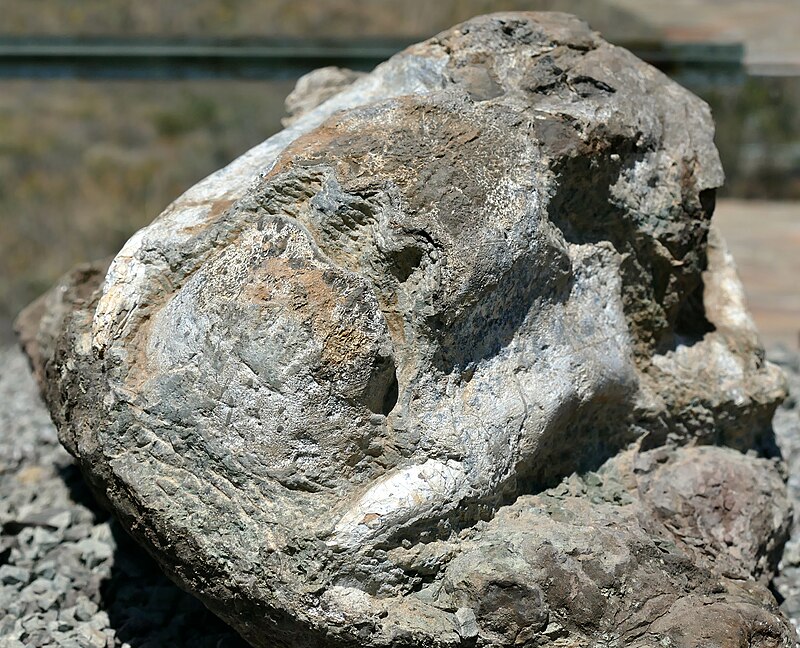
The best-known example from the terrestrial realm is Lystrosaurus, a dicynodont therapsid that constituted an extraordinarily large proportion of terrestrial vertebrate fossils in the earliest Triassic, following the end-Permian extinction. Some assemblages from the Karoo Basin of South Africa suggest that Lystrosaurus comprised up to 90 percent of individual terrestrial vertebrates during the survival interval, an ecological dominance without parallel in the preceding or subsequent fossil record.20, 7 Although recent phylogenetic analyses have questioned whether Lystrosaurus satisfies formal definitions of a disaster taxon in every technical sense, its dramatic post-extinction proliferation remains one of the most striking examples of opportunistic survival and ecological release in the history of life.3
In the plant kingdom, the end-Cretaceous extinction produced one of the most diagnostic signatures of ecological devastation in the geological record: the fern spike. In sediments immediately above the Cretaceous–Paleogene boundary, fern spores abruptly dominate the palynological record, replacing the diverse angiosperm pollen assemblages of the latest Cretaceous. This pattern, documented at sites across North America, New Zealand, and Japan, records the rapid colonization of devastated landscapes by fern species, which, as spore-bearing plants with minimal habitat requirements, could establish themselves on barren, ash-covered terrain far more rapidly than seed plants.3, 22 At some sites in the Denver Basin of Colorado, the fern spike lasted approximately 1,000 years before a succession of pioneer angiosperm communities began to re-establish. A brief fungal spike preceding the fern spike at some localities records the proliferation of saprotrophic fungi feeding on the massive quantities of dead vegetation produced by the initial extinction event.3
Marine disaster taxa are equally well documented. In the aftermath of the end-Permian extinction, paper-thin bivalve shells of the genus Claraia and the brachiopod Lingula, an inarticulate form that had persisted through multiple Paleozoic extinctions, dominated shallow marine assemblages worldwide. These organisms shared characteristics typical of disaster taxa: small body size, simple shell morphology, and tolerance of the low-oxygen conditions that prevailed in Early Triassic oceans.2, 20
Sepkoski's evolutionary faunas and the restructuring of marine life
The large-scale pattern of marine biodiversity through the Phanerozoic Eon is not a simple story of steady accumulation. In 1981, Jack Sepkoski applied factor analysis to the fossil ranges of marine animal families and identified three great evolutionary faunas, each comprising groups of higher taxa that rose, dominated, and declined in roughly coordinated fashion over hundreds of millions of years.4 These three faunas — the Cambrian fauna, the Paleozoic fauna, and the Modern fauna — provide the conceptual framework for understanding how mass extinctions restructure the composition of the marine biosphere.
The Cambrian fauna, dominated by trilobites, inarticulate brachiopods, and monoplacophorans, peaked in the Cambrian and Early Ordovician before declining through a combination of competitive displacement and extinction. The Paleozoic fauna, including articulate brachiopods, rugose and tabulate corals, crinoids, and stenolaemate bryozoans, rose to dominance during the Great Ordovician Biodiversification Event and maintained its pre-eminence for approximately 250 million years. The Modern fauna, comprising bivalves, gastropods, echinoids, malacostracan crustaceans, teleost fishes, and other groups that dominate today's oceans, was present throughout the Paleozoic but at lower diversity than the Paleozoic fauna.4, 14
Mass extinctions were the primary mechanism driving transitions between these faunas. The end-Permian extinction devastated the Paleozoic fauna disproportionately, eliminating groups such as tabulate and rugose corals, productid brachiopods, and most crinoid lineages, while the Modern fauna suffered less severe losses and diversified explosively in the Triassic to become the dominant component of marine ecosystems.4, 15 This transition was not the inevitable result of the Modern fauna's inherent competitive superiority. Rather, the end-Permian catastrophe removed the ecological incumbents whose established presence had prevented the Modern fauna from diversifying, a pattern that Sepkoski's data revealed with striking clarity: the diversity trajectories of the three faunas are not independent but dynamically coupled, with each fauna's decline coinciding with the expansion of its successor in the wake of extinction.4, 5
Adaptive radiation and the filling of ecological space
The most profound evolutionary consequence of mass extinction is the adaptive radiation of surviving lineages into ecological roles vacated by extinct groups. Adaptive radiation — the rapid diversification of a single lineage into many species, each adapted to different ecological niches — is driven by ecological opportunity, the availability of resources and habitats no longer monopolized by incumbent competitors. Mass extinctions create ecological opportunity on a global scale, simultaneously vacating terrestrial, marine, and freshwater niches and removing the competitive barriers that previously constrained the diversification of subordinate lineages.9, 16
_skeleton.JPG)
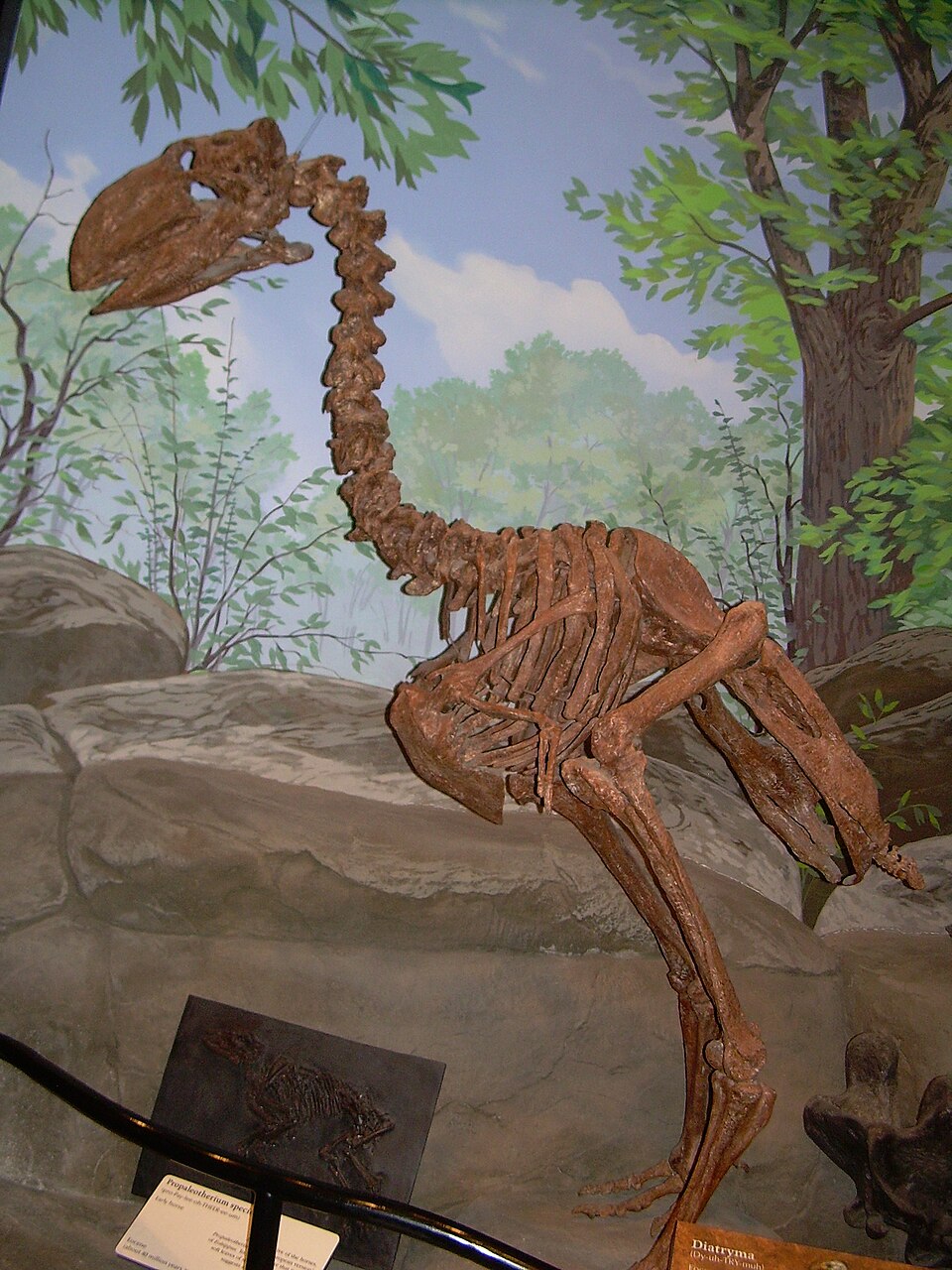
The diversification of placental mammals after the end-Cretaceous extinction is the most celebrated example. Mammals had coexisted with non-avian dinosaurs for more than 160 million years, yet throughout the Mesozoic they remained predominantly small-bodied and ecologically restricted, with most species weighing less than 10 kilograms. Combined morphological and molecular phylogenetic analyses have demonstrated that the explosive diversification of modern placental orders occurred in the earliest Paleogene, with major lineages diverging within approximately 10 million years of the extinction event.10, 11 Molecular time trees suggest that the Cretaceous Terrestrial Revolution opened some interordinal ecological space before the extinction, but that intraordinal diversification — the proliferation of the ecological and morphological disparity seen in modern mammalian orders — was overwhelmingly concentrated in the post-K-Pg interval when dinosaurian competitors had been removed.11
Crown birds followed a parallel trajectory. Fossil and genomic evidence indicates that the major neoavian lineages diversified explosively in the earliest Paleocene, with the divergence window for most major clades narrowed to fewer than 4 million years after the mass extinction. The discovery of the earliest known arboreal crown bird, Tsidiiyazhi abini, from the early Paleocene of New Mexico pushed minimum divergence ages for multiple neoavian lineages into the first few million years of the Cenozoic, consistent with a rapid post-extinction radiation rather than a gradual Cretaceous diversification.17
These patterns are not unique to the end-Cretaceous event. After each of the Big Five mass extinctions, surviving clades diversified rapidly to fill vacated ecological space. The Triassic radiation of archosaurs following the end-Permian event produced dinosaurs, pterosaurs, and crocodylomorphs within 15 to 20 million years, while the Ordovician radiation of articulate brachiopods, bryozoans, and crinoids that followed the late Cambrian extinction of trilobite-dominated communities represented an earlier instance of the same fundamental process.1, 22
Recovery patterns across the Big Five
The five major Phanerozoic mass extinctions varied not only in severity but in the speed and character of subsequent recovery. The end-Permian extinction, which eliminated approximately 81 percent of marine species and an even larger proportion of terrestrial species, produced the slowest and most tortuous recovery of the Big Five. Repeated environmental crises during the Early Triassic, including persistent ocean anoxia, extreme global warming, and large perturbations to the carbon cycle, prevented the stabilization of ecosystems for 8 to 9 million years.2, 8 Ammonoids, one of the few groups that diversified rapidly in the aftermath, did so within 1 to 3 million years, but broader ecological recovery proceeded in a stepwise fashion, rebuilding trophic levels from primary producers through herbivores to apex predators across the Early to Middle Triassic.2
The end-Cretaceous recovery, by contrast, was comparatively rapid despite the severity of the extinction itself (approximately 76 percent of species lost). Marine planktic ecosystems restructured within 1 to 3 million years, and the major orders of placental mammals were established within 10 million years of the boundary.3, 10 The relatively swift recovery likely reflects the absence of prolonged environmental stress comparable to the Early Triassic volcanic perturbations: the Chicxulub impact was a geologically instantaneous event, and the environmental disruption it caused, while catastrophic, subsided within thousands to tens of thousands of years rather than persisting for millions of years.3
The end-Ordovician recovery was also relatively rapid, with marine diversity rebounding substantially within 1 to 2 million years of the second extinction pulse. The end-Triassic recovery required approximately 5 to 8 million years for marine ecosystems to achieve pre-extinction diversity levels, while the Late Devonian extinction, a protracted crisis comprising multiple pulses spread over millions of years, saw a correspondingly drawn-out recovery, with reef ecosystems remaining suppressed for more than 15 million years.1, 22
Estimated recovery timescales after the Big Five mass extinctions1, 2, 22
| Extinction event | Age (Mya) | Species loss | Recovery time | Key recovery pattern |
|---|---|---|---|---|
| End-Ordovician | ~444 | ~85% | ~1–2 Myr | Rapid rebound of brachiopods and graptolites |
| Late Devonian | ~372 | ~75% | ~10–15 Myr | Prolonged reef gap; slow marine recovery |
| End-Permian | ~252 | ~81–96% | ~8–9 Myr | Stepwise trophic rebuilding; carbon cycle instability |
| End-Triassic | ~201 | ~80% | ~5–8 Myr | Dinosaurian rise; CAMP volcanism aftermath |
| End-Cretaceous | ~66 | ~76% | ~5–10 Myr | Explosive mammalian and avian radiation |
Reef recovery and reef gaps
Reef ecosystems, among the most complex and biodiverse habitats in the marine realm, are disproportionately vulnerable to mass extinctions and among the slowest ecological systems to recover. The history of Phanerozoic reef building records a succession of different dominant reef-building organisms — archaeocyathids, stromatoporoids, tabulate and rugose corals, sponges, scleractinian corals, and rudist bivalves — each rising to prominence in the wake of extinctions that eliminated their predecessors.12, 19 The intervals between the collapse of one reef community and the establishment of the next are called reef gaps, and they represent some of the longest recovery intervals in the fossil record.
The Late Devonian extinction devastated stromatoporoid-coral reef ecosystems and produced a reef gap lasting approximately 15 million years, one of the most prolonged reef-building hiatuses of the entire Phanerozoic. True metazoan reef frameworks did not re-emerge until the Carboniferous, when calcifying sponges and small colonial rugose corals began to construct modest bioherms in shallow tropical seas.19, 22 The end-Permian extinction was even more devastating to reef builders, eliminating the remaining Paleozoic reef community entirely. The Early Triassic saw a prolonged interval of suppressed reef growth, with only microbial mats and thin-shelled bivalves colonizing carbonate platforms. True metazoan reefs did not reappear in substantial numbers until the Middle Triassic, approximately 8 to 10 million years after the extinction, when sponges built the first significant Mesozoic reefs. Scleractinian corals, the group that dominates modern reef building, did not become major reef constructors until the Late Triassic.2, 19
The Cretaceous saw a remarkable diversification of rudist bivalves, which by the mid-Cretaceous had largely displaced scleractinian corals as the dominant framework builders in tropical reef settings. The end-Cretaceous extinction eliminated the rudists entirely, and scleractinian corals reclaimed their role as the primary reef architects of the Cenozoic, a position they retain today. This succession illustrates a broader principle: each mass extinction resets the competitive landscape of reef building, and the organism that comes to dominate the next reef interval is determined not by inherent superiority but by which calcifying lineages happen to survive and which ecological opportunities emerge.12, 19
Ecological incumbency and its removal
One of the most important insights from the study of post-extinction recoveries is the role of ecological incumbency — the tendency of established, ecologically dominant lineages to suppress the diversification of potential competitors through their occupation of key niches and resources. Under normal background conditions, incumbents maintain their dominance through competitive advantage, predatory pressure, and the simple fact that they already occupy the ecological space that other lineages might otherwise exploit. Mass extinctions are the primary mechanism by which incumbency is broken on a global scale.5, 9
The concept of competitive release, borrowed from community ecology, describes the process by which the removal of a dominant competitor allows subordinate species to expand their ecological range and diversify. In the context of mass extinction, competitive release operates at every scale from local communities to the global biosphere. The removal of non-avian dinosaurs released mammals from 160 million years of ecological subordination. The elimination of Paleozoic brachiopod-dominated communities allowed bivalves and gastropods — groups that had been present but ecologically marginal throughout the Paleozoic — to radiate into the dominant benthic roles they occupy today.4, 5
Critically, the lineages that benefit from competitive release are not necessarily those that were competitively inferior under pre-extinction conditions. Jablonski has emphasized that mass extinctions alter the rules of the evolutionary game: traits that predict success during background intervals, such as ecological specialization and competitive dominance within specific niches, may be irrelevant or even disadvantageous during the extinction itself, while traits that confer no particular advantage during normal times, such as broad geographic range, may prove decisive for survival.5, 6 The result is that mass extinctions do not merely intensify the normal processes of natural selection but impose qualitatively different selective regimes that redirect the course of evolution along trajectories that would never have been reached under background conditions.
Survivorship patterns and selectivity
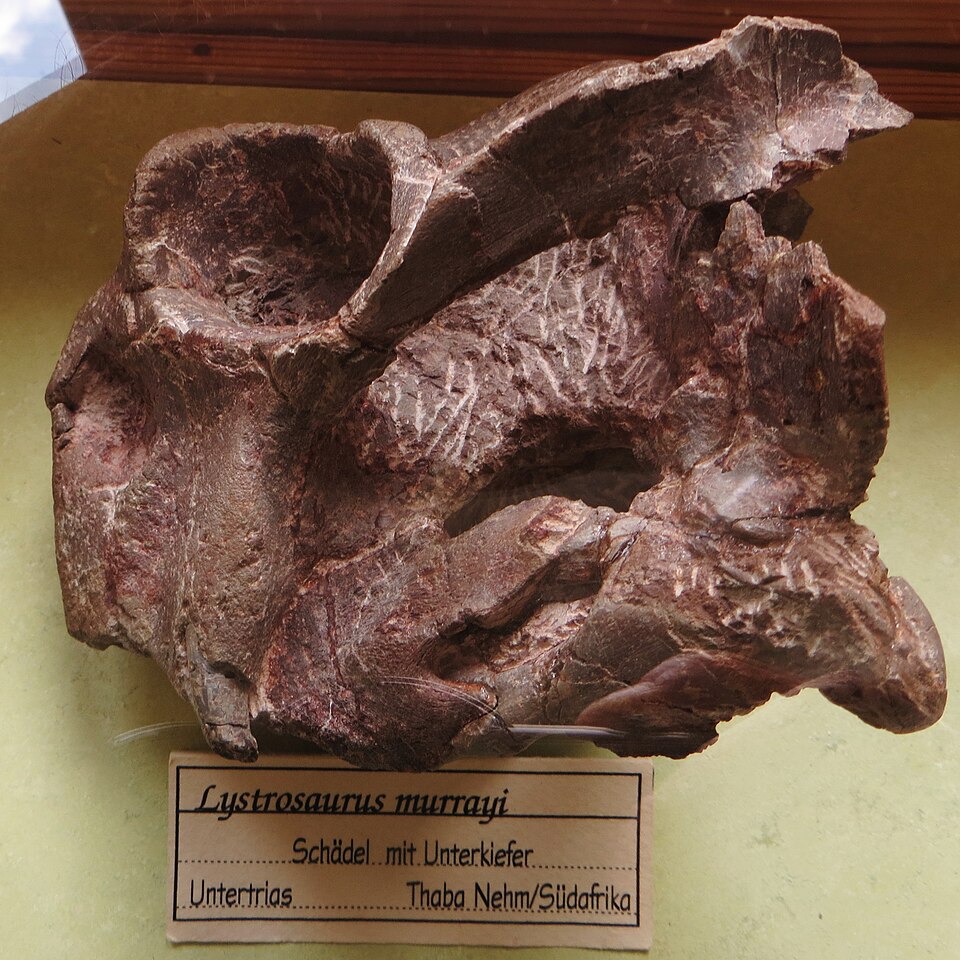
Not all species are equally vulnerable during mass extinctions, and the patterns of selectivity — which biological traits predict survival and which predict extinction — have been a central focus of paleobiological research. Jablonski's extensive analyses of the marine fossil record, particularly the well-preserved bivalve and gastropod faunas of the Late Cretaceous, demonstrated that the single most powerful predictor of survival during mass extinctions is geographic range at the clade level. Genera with broad geographic distributions, spanning multiple biogeographic provinces, suffered approximately 20 percent extinction during the end-Cretaceous event, whereas genera restricted to one or two provinces experienced approximately 70 percent extinction.6
This finding holds a deeper significance than it might first appear. Geographic range at the clade level is an emergent property — it reflects the cumulative distributions of all species within a genus but is not simply the sum of individual species' ranges. A genus with many narrowly distributed species that collectively span a wide area may survive because at least some of its constituent species are likely to fall outside the zone of most intense environmental disruption. This mechanism explains why mass extinctions can simultaneously be non-selective with respect to individual ecological traits (body size, metabolic rate, trophic level) yet strongly selective with respect to biogeographic properties of higher taxa.5, 6
Body size, another trait long hypothesized to influence extinction risk, shows a more complex relationship with mass extinction survival. During background extinction intervals, smaller body size is weakly associated with greater extinction risk in some marine clades, but this relationship weakens or reverses during mass extinctions.18, 21 The post-extinction Lilliput effect — a widespread decrease in the body size of surviving lineages observed after several mass extinctions — appears to reflect the selective survival of small-bodied species or the ecological advantages of small size in resource-depleted post-extinction environments, including reduced metabolic demands and faster generation times that facilitate rapid population growth.13 In the aftermath of the end-Permian extinction, surviving marine invertebrates were conspicuously smaller than their pre-extinction relatives, a pattern documented across multiple phyla and interpreted as a response to the warm, oxygen-poor ocean conditions that persisted through the Early Triassic.2, 13

Extinction selectivity: geographic range and survival during the end-Cretaceous event6
Molecular phylogenetic evidence for post-extinction diversification
Molecular phylogenetics has provided an independent line of evidence for the explosive diversification of surviving lineages after mass extinctions, complementing and in some cases challenging the fossil record. By calibrating molecular clock analyses with fossil dates, biologists can estimate the timing of divergence events among living clades and test whether diversification was concentrated in post-extinction intervals or spread more evenly through time.11
For placental mammals, the question of whether interordinal diversification occurred before or after the end-Cretaceous boundary has been intensely debated. The comprehensive morphological and molecular analysis by O'Leary and colleagues in 2013, which scored over 4,500 phenomic characters for 86 fossil and living species, concluded that crown Placentalia originated after the K-Pg boundary, with all major ordinal-level divergences concentrated in the earliest Paleocene.10 Meredith and colleagues' molecular time tree, based on a large genomic dataset calibrated with 82 fossil dates, similarly found that the K-Pg extinction played a critical role in promoting intraordinal diversification, even if some deeper divergences between major placental superorders may have occurred in the latest Cretaceous.11 Both studies converge on the conclusion that the ecological diversification of modern mammalian orders — the radiation into whales, bats, primates, rodents, carnivores, and other ecologically distinct forms — was overwhelmingly a post-extinction phenomenon enabled by the removal of dinosaurian competitors.
Avian molecular phylogenies tell a concordant story. Genomic analyses of living bird lineages, combined with the fossil record of early Paleocene birds such as Tsidiiyazhi abini, indicate that crown Neoaves experienced an explosive diversification in the first 4 million years of the Paleocene, with up to fifteen shifts in the mode of molecular evolution concentrated near the K-Pg boundary.17 This molecular early burst, during which rates of genomic change were dramatically elevated relative to later periods, is consistent with the rapid ecological diversification expected when a mass extinction eliminates incumbent competitors and opens a wide range of ecological niches simultaneously.9, 17
Recovery as a test of ecological theory
Mass extinction recoveries serve as natural experiments for testing ecological theories that are difficult or impossible to evaluate under ordinary conditions. The concept of ecological opportunity, central to theories of adaptive radiation developed by Schluter, Losos, and others, predicts that diversification rates should be highest when resources are abundant and competitors are few.9, 16 Post-extinction intervals represent the ultimate test of this prediction, and the fossil record consistently confirms it: origination rates are elevated for millions of years after mass extinctions, precisely when ecological opportunity is at its maximum.1, 14
The dynamics of post-extinction recovery also illuminate the relationship between diversity and ecosystem function. Foster and Twitchett's analysis of functional diversity after the end-Permian extinction demonstrated that although taxonomic diversity recovered substantially by the Middle Triassic, the full suite of ecological functions performed by marine communities was not restored for several million years longer, suggesting that functional redundancy — the presence of multiple species performing similar ecological roles — is rebuilt only after taxonomic diversity has already reached high levels.13
Perhaps the most striking theoretical insight from recovery studies is that mass extinctions do not merely accelerate the normal process of competitive turnover. Erwin argued that recoveries involve the construction of entirely new ecological architectures rather than the reconstruction of pre-extinction communities. Far from passively refilling the same ecological space, surviving lineages actively create new niches and new interactions during recovery, generating ecosystems that may bear little structural resemblance to those they replaced.1 This finding challenges the equilibrium view of ecology, in which communities are structured by competition for a fixed set of resources, and supports a more dynamic model in which ecological structure is itself a product of evolutionary history that is reset and rebuilt after each major crisis.1, 3
The study of recovery from mass extinction thus connects deep-time paleontology to some of the most fundamental questions in biology: how ecosystems are assembled, how evolutionary innovation emerges, and whether the history of life is governed by repeatable ecological laws or by the contingent accidents of which lineages happen to survive each catastrophe. The fossil record of recovery suggests that the answer involves both: recovery dynamics follow general patterns that reflect universal ecological principles, but the taxonomic identity of the winners and losers is contingent on the particular circumstances of each extinction and its aftermath.3, 5
References
Large perturbations of the carbon cycle during recovery from the end-Permian extinction
Impacts of the Cretaceous Terrestrial Revolution and KPg extinction on mammal diversification
Functional diversity of marine ecosystems after the Late Permian mass extinction event
Geographical, environmental and intrinsic biotic controls on Phanerozoic marine diversification
Early Paleocene landbird supports rapid phylogenetic and morphological diversification of crown birds after the K–Pg mass extinction
Direct and indirect effects of biological factors on extinction risk in fossil bivalves